

 English
 Español
 русский
The Engineering Excellence of PTFE Single Side Coated Fiberglass Fabric
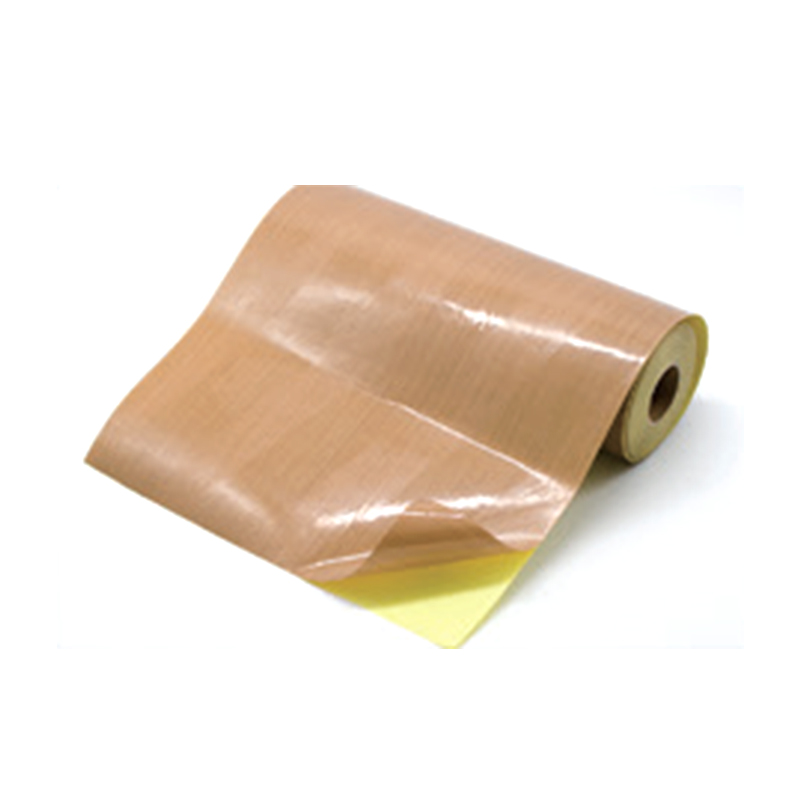
In high-temperature industrial environments, the synergy between structural strength and chemical resilience is paramount. PTFE Single Side Coated Fiberglass Fabric represents a specialized composite engineered to address specific application needs where a non-stick surface is required on one side, while the raw fiberglass texture is preserved on the other for bonding or friction purposes. This material leverages the high-tensile strength of E-glass fibers and the extraordinary chemical inertness of Polytetrafluoroethylene (PTFE). Understanding the technical specifications of single side PTFE fabric is essential for engineers specializing in thermal insulation, expansion joints, and aerospace components.
Content
- 1 1. Material Composition and Structural Integrity
- 2 2. Thermal Performance and Operating Thresholds
- 3 3. Chemical Inertness and Environmental Shielding
- 4 4. Industrial Applications and Engineering Use Cases
- 5 5. Technical Specifications and Quality Metrics
- 6 Frequently Asked Questions (FAQ)
- 6.1 1. Why choose single side coating instead of double side?
- 6.2 2. Can PTFE single side coated fiberglass fabric be used in food processing?
- 6.3 3. How does heat affect the uncoated side of the fabric?
- 6.4 4. Is this fabric resistant to UV and outdoor weathering?
- 6.5 5. What is the standard thickness for PTFE single side coated fiberglass fabric?
- 7 Industry References
1. Material Composition and Structural Integrity
The core of this composite is a high-density woven fiberglass substrate. By applying a PTFE dispersion to only one surface, manufacturers create a product that retains the breathability and mechanical ""key"" of the glass cloth on its uncoated side. This unique configuration is the primary difference between single side and double side PTFE coating. While double-sided coating provides total encapsulation, single-sided coating is ideal for applications requiring the fabric to be laminated or glued to other substrates. The PTFE single side coated fiberglass fabric offers a unique balance, maintaining industrial PTFE fabric chemical resistance on the active face while ensuring structural stability.
Comparison: Single Side vs. Double Side PTFE Coating
Single-sided coatings are chosen for their bonding capabilities, whereas double-sided coatings are preferred for maximum environmental isolation.
| Feature | Single Side Coated Fabric | Double Side Coated Fabric |
| Adhesive Bonding | High (uncoated side allows resin/glue penetration) | Very Low (requires specialized etching) |
| Flexibility | Higher flexibility due to thinner total profile | Lower flexibility; stiffer handle |
| Weight | Lighter; ideal for weight-sensitive applications | Heavier due to dual polymer layers |
2. Thermal Performance and Operating Thresholds
The thermal stability of PTFE single side coated fiberglass fabric is defined by the melting point of the PTFE polymer and the softening point of the glass fibers. Generally, these fabrics operate efficiently between -73°C and +260°C. Investigating how to use single side PTFE fabric for insulation reveals its role in removable insulation jackets, where the uncoated side faces the fiberglass matting for better cohesion, and the PTFE side acts as a weather and chemical shield. This heat resistant PTFE fabric application ensures that critical components remain protected from extreme thermal cycling without degradation.
3. Chemical Inertness and Environmental Shielding
PTFE is virtually unaffected by most industrial chemicals, acids, and bases. When engineers evaluate PTFE single side coated fiberglass fabric for marine or chemical processing plants, they focus on the polymer's ability to prevent corrosion of the underlying glass fibers. The coating serves as a barrier against moisture and UV radiation, which significantly extends the durability of single side PTFE coated glass cloth compared to untreated textiles. This 100% non-stick surface also prevents the accumulation of oils and grease, making it a preferred non-stick PTFE fabric for industrial use.
Comparison: Coated Fabric vs. Untreated Fiberglass
Coating the fiberglass substrate with PTFE introduces hydrophobic and oleophobic properties that raw glass fibers lack.
| Property | Raw Fiberglass Cloth | PTFE Single Side Coated Fiberglass Fabric |
| Water Absorption | High (Wicking action) | Zero (on the coated surface) |
| Chemical Reactivity | Reactive to strong alkalis and hydrofluoric acid | Chemically inert face |
| Surface Friction | High (Rough texture) | Extremely Low (Slippery surface) |
4. Industrial Applications and Engineering Use Cases
The versatility of PTFE single side coated fiberglass fabric allows it to be utilized in diverse sectors. In the packaging industry, it is used as a release sheet on heat sealers where only one side requires non-stick properties. In the construction of expansion joints, the uncoated side can be integrated into the composite flange, while the PTFE side resists aggressive flue gases. For engineers, the benefits of single side PTFE coating for expansion joints include reduced material cost compared to double-sided versions and improved lamination strength. Furthermore, it serves as a robust PTFE fiberglass fabric solution for protective curtains in welding environments where slag resistance is mandatory.
Typical Industrial Use Cases:
- Removable insulation blankets and pads.
- Flange covers for chemical pipelines.
- Heat sealing machine release surfaces.
- Aerospace vacuum bagging and mold release.
5. Technical Specifications and Quality Metrics
When specifying PTFE single side coated fiberglass fabric, engineers must consider the coating weight (usually measured in g/m²) and the weave style (plain, satin, or twill). The technical specifications of single side PTFE fabric often detail the dielectric strength, which is vital for electrical insulation applications. High-quality fabrics must ensure a pinhole-free coating on the treated side to maintain chemical barrier integrity. Adhesion tests between the PTFE and the glass substrate are also critical to prevent delamination during high-stress mechanical movement.
Frequently Asked Questions (FAQ)
1. Why choose single side coating instead of double side?
Single side coating is chosen when the application requires bonding the fabric to another material (like foam or metal) using adhesives, which do not stick well to PTFE. It is also more cost-effective when environmental protection is only needed on one face.
2. Can PTFE single side coated fiberglass fabric be used in food processing?
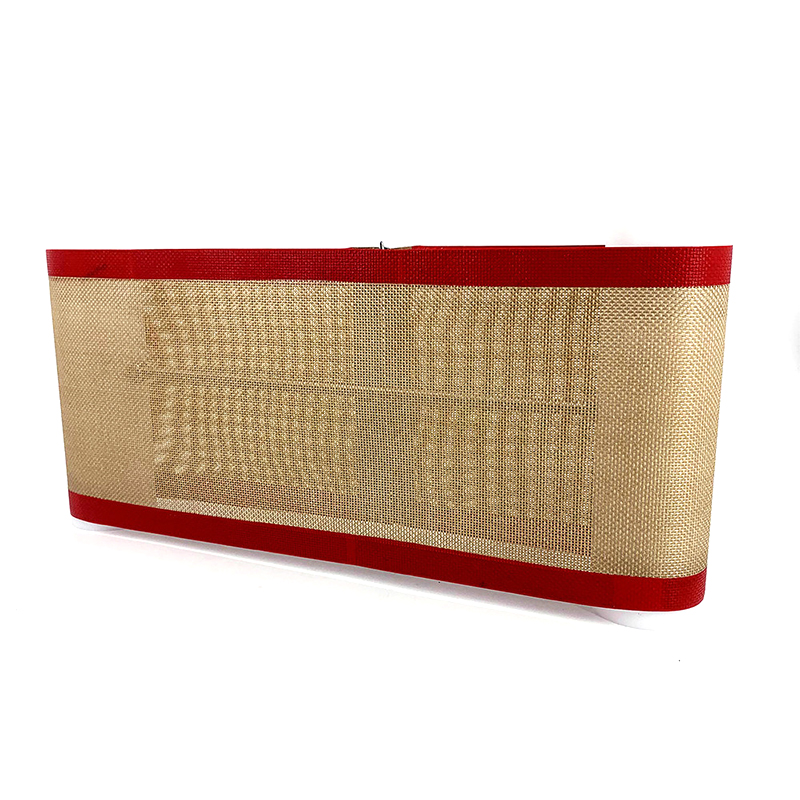
Yes, provided the PTFE coating is FDA-compliant. It is often used on conveyor systems where the uncoated side is bonded to a drive belt and the coated side handles the food products.
3. How does heat affect the uncoated side of the fabric?
The uncoated side is raw fiberglass, which can withstand much higher temperatures (up to 550°C) than the PTFE coating itself. However, the overall service temperature of the composite is limited by the PTFE's 260°C threshold.
4. Is this fabric resistant to UV and outdoor weathering?
The PTFE-coated side is extremely resistant to UV and weather. For outdoor use, the fabric should be installed with the coated side facing the environment to protect the glass fibers from moisture and UV degradation.
5. What is the standard thickness for PTFE single side coated fiberglass fabric?
Thickness typically ranges from 0.08mm to 0.5mm. The choice depends on the required mechanical strength and the flexibility needed for the specific application.
Industry References
- ASTM D4969: Standard Specification for Polytetrafluoroethylene (PTFE) Coated Glass Fabric.
- ISO 527: Plastics — Determination of tensile properties.
- NFPA 701: Standard Methods of Fire Tests for Flame Propagation of Textiles and Films.
Message Us Right Now!

- Phone: +86-18651171105
- Fax: +86-18651171105
- Email: yaxing@yaxing.com
- Address: No. 18, Yongxin East Road, Gaogang District, Taizhou City, Jiangsu Province, China.
Copyright © Yaxing Plastic Industry Co., Ltd. All Rights Reserved. Custom High-End Precision PTFE Series Products Manufacturers 