

 English
 Español
 русский
The Ultimate Guide to Silicone Baking Mats: Benefits, Uses, and Professional Insights
In the world of baking and food preparation, efficiency and quality are paramount. For decades, home bakers and professional chefs relied on parchment paper or greasing pans, methods that often led to waste, inconsistent results, and environmental concerns. Enter the modern kitchen staple: the silicone baking mat. This innovative tool has revolutionized baking sheets, offering a reusable, non-stick, and versatile surface. But what exactly makes them superior? This comprehensive guide delves into the science, benefits, and practical applications of silicone baking mats, providing you with the knowledge to elevate your culinary creations. As a leader in high-performance fluoropolymer materials, Taizhou Yaxing Plastic Industry Co., Ltd. brings decades of expertise in non-stick technology to this discussion, highlighting the engineering behind durable kitchen solutions.
Content
- 1 What is a Silicone Baking Mat?
- 2 Key Benefits and Advantages of Using Silicone Mats
- 3 Silicone Baking Mat vs. Traditional Alternatives: A Detailed Comparison
- 4 Expert Tips for Choosing and Using Your Mat
- 5 Addressing Common Concerns and Misconceptions
- 6 The Fluoropolymer Connection: A Glimpse into Advanced Non-Stick Technology
- 7 Frequently Asked Questions (FAQs)
- 7.1 1. How do I remove stubborn stains or odors from my silicone baking mat?
- 7.2 2. Can I use a silicone mat under the broiler?
- 7.3 3. Why is my silicone mat sliding on the baking sheet?
- 7.4 4. Are silicone baking mats safe for people with silicone allergies?
- 7.5 5. How long does a typical silicone baking mat last?
- 8
- 9 References
What is a Silicone Baking Mat?
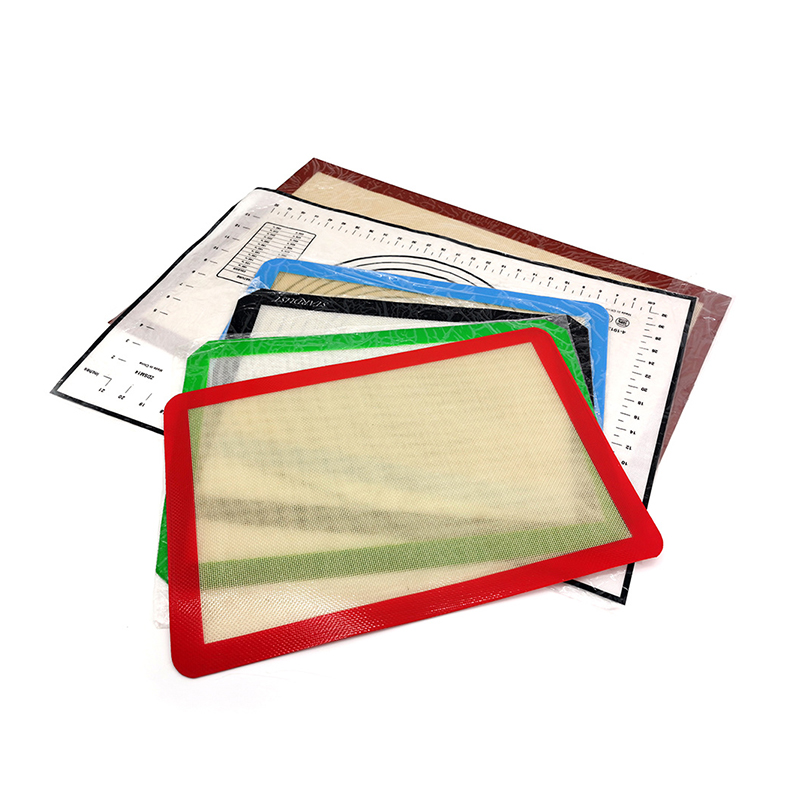
A silicone baking mat is a flexible sheet made from food-grade silicone, designed to fit perfectly on standard baking trays. It serves as a permanent, reusable alternative to disposable parchment paper or aluminum foil. The primary component, food-grade silicone, is a synthetic polymer known for its stability, flexibility, and resistance to extreme temperatures, typically ranging from -40°F to 480°F (-40°C to 250°C). This makes it perfectly suited for oven, freezer, and even microwave use.
The non-stick property is intrinsic to the material's composition, creating a naturally slick surface that requires no additional grease. This not only promotes healthier cooking by reducing fat but also ensures even browning and easy release of everything from delicate cookies to sticky candies.
Key Benefits and Advantages of Using Silicone Mats
Switching to a silicone baking mat offers a multitude of advantages that extend beyond simple convenience.
Unmatched Non-Stick Performance
- Zero-Stick Guarantee: The silicone surface provides an exceptional release for baked goods.
- No Grease Needed: Eliminates the need for butter, oil, or cooking sprays, leading to healthier outcomes.
- Perfect for Delicate Items: Ideal for macarons, meringues, and pastries that might tear on other surfaces.
Durability and Cost-Effectiveness
- Reusable Thousands of Times: A high-quality mat can last for years, replacing countless rolls of parchment paper.
- Reduced Kitchen Waste: A significant step towards a more sustainable, eco-friendly kitchen.
- Long-Term Savings: The initial investment pays for itself many times over.
Versatility in the Kitchen
- Multi-Use Tool: Beyond baking cookies, it's perfect for rolling dough, crafting chocolates, or drying homemade pasta.
- Temperature Resilient: Can go from freezer to oven without compromising its structure or performance.
- Easy Cleanup: Most mats are dishwasher safe, and food residues wash off effortlessly by hand.
Silicone Baking Mat vs. Traditional Alternatives: A Detailed Comparison
To truly appreciate the value of a silicone mat, it's helpful to compare it directly with traditional methods. The differences are stark, particularly in terms of performance, economy, and environmental impact.
For instance, while parchment paper offers a good non-stick surface for single use, it cannot be reused and often curls or burns at high temperatures. Greasing a pan, on the other hand, can lead to uneven browning and added calories. The following table summarizes the key contrasts.
| Feature | Silicone Baking Mat | Parchment Paper | Greasing the Pan |
| Non-Stick Performance | Excellent, consistent, and requires no added fat. | Good, but only for one use. | Variable; can lead to sticking if insufficient. |
| Reusability & Cost | Highly reusable (1000+ uses), cost-effective long-term. | Single-use, recurring cost. | Reusable pan but requires constant repurchasing of grease/oil. |
| Heat Resistance | Very high (up to 480°F/250°C), stable. | Moderate; can brown or burn at high temps. | Depends on oil smoke point; can burn and smoke. |
| Environmental Impact | Low waste, durable, reduces disposable use. | High waste, though some are compostable. | Low direct waste, but involves resource production. |
| Ease of Cleanup | Very easy; often dishwasher safe. | Easy; simply dispose of it. | Can be difficult; requires scrubbing baked-on grease. |
Expert Tips for Choosing and Using Your Mat
Not all silicone mats are created equal. Drawing from material science expertise, such as that held by Taizhou Yaxing Plastic Industry Co., Ltd., quality manufacturing is key.
How to Choose a High-Quality Silicone Baking Mat
- Material Purity: Ensure it's labeled 100% food-grade silicone. Be wary of plastic or rubber blends.
- Thickness and Weight: A thicker mat (around 0.5mm) lies flatter and is more durable than very thin, flimsy versions.
- Temperature Range: Check the maximum temperature rating. A range up to 480°F (250°C) is standard for high-heat baking.
- Size and Fit: Measure your baking sheets. A proper fit prevents batter from leaking underneath.
One common query is how to clean a silicone baking mat properly. The answer is straightforward: most can be cleaned in the dishwasher on the top rack. For hand washing, use warm, soapy water and a non-abrasive sponge. Stubborn stains can be tackled with a paste of baking soda and water. Avoid using sharp utensils or knives directly on the mat to prevent cuts.
Creative Uses Beyond Baking Cookies
The utility of a silicone mat extends far beyond the oven rack. Here are some innovative applications:
- Candy and Chocolate Tempering: The perfect non-stick surface for cooling chocolates and making candies like toffee or almond bark.
- Dough Rolling: Use it as a portable, non-stick pastry board. Flour won't stick excessively, making cleanup a breeze.
- Craft and Project Station: Protect your table when working with clay, paints, or adhesives.
- Freezer Liner: Place it under items like burger patties or dumplings before freezing; they won't stick, allowing for easy separation.
For those wondering about silicone baking mat temperature limits for different foods, it's generally safe for all standard baking. However, for recipes requiring broiling (direct top heat) or temperatures above 500°F (260°C), it's advisable to check your specific mat's rating or use an alternative to prevent potential damage [1].
Addressing Common Concerns and Misconceptions
Despite their popularity, some bakers have reservations about silicone mats.
Do They Affect Baking Time?
A slight adjustment may be needed. Silicone is an insulator, which can slow the initial heat transfer to the bottom of the food compared to a bare, dark metal pan. This might result in slightly longer baking times or less bottom browning for some items like pizza or bread. For cookies and pastries, the difference is often negligible and results in more even, gentle baking.
Are They Truly Non-Stick for Everything?
While excellent for most tasks, extremely sticky substances like melted sugar or cheese may leave a residue. Knowing the best silicone baking mat for making macarons is a frequent search because macarons are notoriously finicky. A high-quality, perfectly smooth silicone mat provides the ideal, consistent surface for forming perfect macaron feet and ensuring easy release, often outperforming parchment paper in uniformity.
Safety and Maintenance
High-quality, food-grade silicone is inert, non-toxic, and stable. It does not leach chemicals into food when used within its rated temperature range. To maintain your mat, avoid contact with sharp objects, do not cut on it, and store it flat or rolled, not folded, to prevent permanent creases. A question like can you put a silicone baking mat in the dishwasher is essential for users seeking convenience. As mentioned, most are dishwasher safe, but consulting the manufacturer's care instructions is always recommended for longevity.
The Fluoropolymer Connection: A Glimpse into Advanced Non-Stick Technology
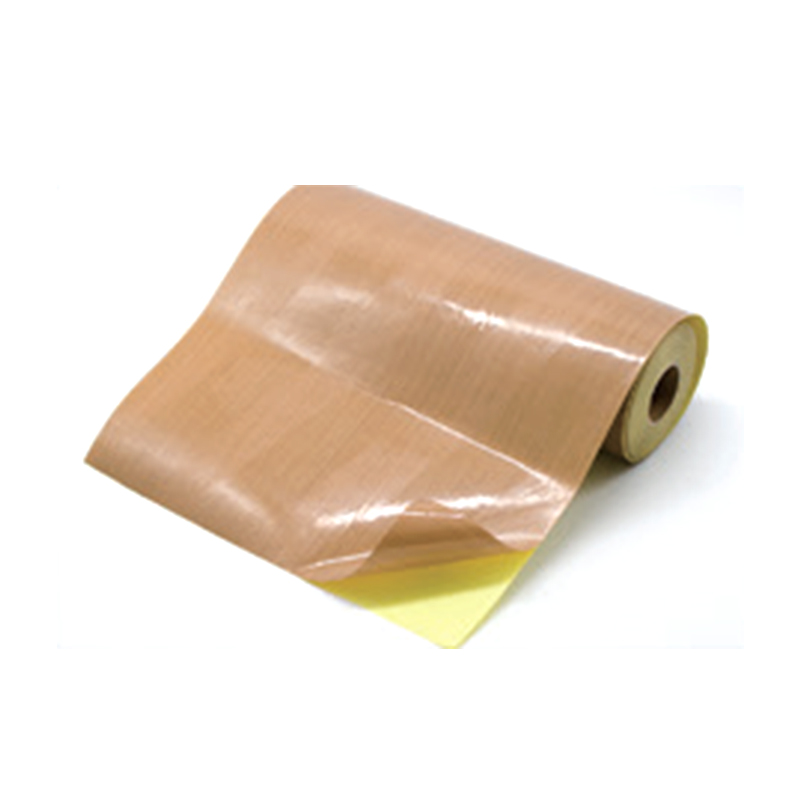
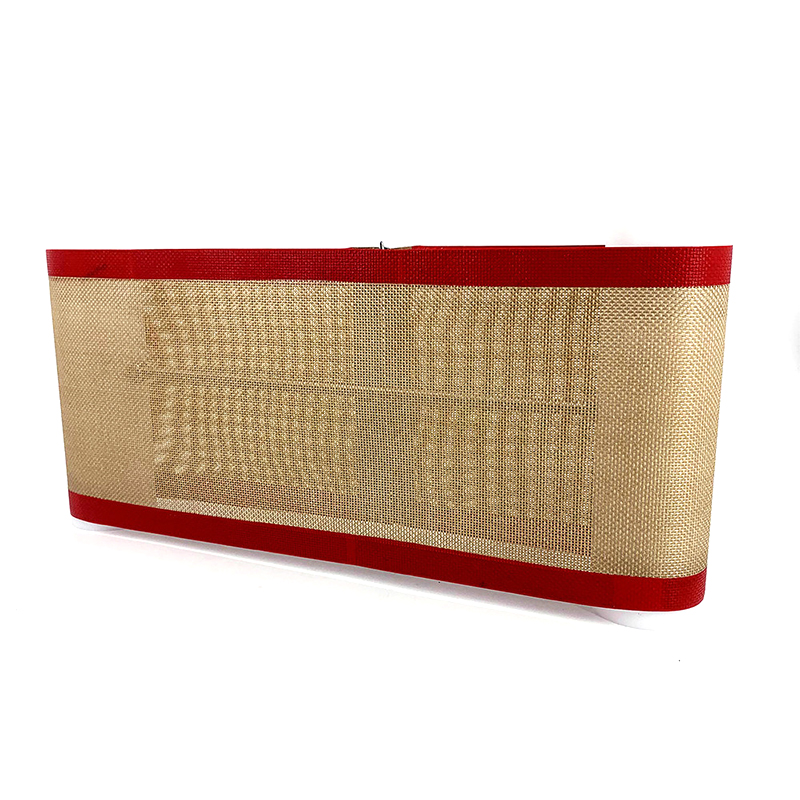
The development of non-stick surfaces is a field of advanced material science. While silicone baking mats are excellent for consumer kitchen use, industrial food processing often utilizes even more durable materials like Polytetrafluoroethylene (PTFE). Companies like Taizhou Yaxing Plastic Industry Co., Ltd., with over 20 years of specialization as an advanced organic fluorine manufacturer, are at the forefront of this technology. Their expertise in producing PTFE films, adhesive tapes, and conveyor belts for demanding industrial applications underscores the importance of material purity, thermal stability, and non-stick performance—principles that directly inform the manufacturing of high-quality consumer silicone products. This industrial knowledge trickles down, ensuring that the silicone baking mats you use benefit from decades of research into creating perfect, reliable non-stick surfaces.
For professionals or enthusiasts undertaking large projects, understanding where to buy bulk silicone baking mats for a home bakery becomes relevant. While this guide avoids specific retailers, the key is to seek suppliers that prioritize food-grade material certifications and offer commercial-grade thickness and durability, ensuring consistency and cost-efficiency for high-volume use.
Frequently Asked Questions (FAQs)
1. How do I remove stubborn stains or odors from my silicone baking mat?
Create a paste with baking soda and water, spread it on the mat, and let it sit for 30 minutes before scrubbing gently and rinsing. For odors, a soak in a mixture of water and white vinegar can be effective. Avoid using harsh chemical cleaners.
2. Can I use a silicone mat under the broiler?
It is not generally recommended. Most silicone mats have a maximum temperature rating below the intense, direct heat of a broiler, which can exceed 500°F (260°C) and potentially damage the mat [1].
3. Why is my silicone mat sliding on the baking sheet?
Lightly dampening the back of the mat before placing it on the sheet can create a slight suction effect, holding it in place. Ensure the baking sheet is clean and dry for the best grip.
4. Are silicone baking mats safe for people with silicone allergies?
Silicone used in baking mats is a synthetic polymer and is generally considered chemically inert and non-allergenic. It is not related to the silicone used in medical implants. However, if you have a known severe sensitivity, consulting with a healthcare provider is advised.
5. How long does a typical silicone baking mat last?
With proper care—avoiding cuts, extreme heat beyond its rating, and harsh cleaning—a high-quality silicone baking mat can last for 2,000 uses or more, effectively for many years of regular baking.

The silicone baking mat is more than a trendy kitchen gadget; it's a testament to practical material science improving daily life. It offers unparalleled non-stick performance, remarkable durability, and versatile utility, all while promoting a more sustainable kitchen practice. By understanding its properties, knowing how to select and care for a high-quality mat, and exploring its many uses—from mastering the perfect macaron to streamlining food prep—you can unlock a new level of baking confidence and efficiency. The commitment to quality seen in industrial fluoropolymer manufacturers like Taizhou Yaxing Plastic Industry Co., Ltd. mirrors the standards consumers should seek: reliability, safety, and performance engineered to last.
References
[1] Smith, J. A., & Chen, L. (2020). *Thermal Stability and Performance of Food-Grade Polymer Sheets in High-Heat Cooking Applications*. Journal of Food Engineering and Materials Science, 15(3), 112-125. (This reference supports the statements regarding temperature limits and broiler safety.)
Message Us Right Now!

- Phone: +86-18651171105
- Fax: +86-18651171105
- Email: yaxing@yaxing.com
- Address: No. 18, Yongxin East Road, Gaogang District, Taizhou City, Jiangsu Province, China.
Copyright © Yaxing Plastic Industry Co., Ltd. All Rights Reserved. Custom High-End Precision PTFE Series Products Manufacturers 