

 English
 Español
 русский
Barbecue Grill Mat & Silicone Baking Mat: Complete Usage Guide
Content
Primary Functions and Material Distinctions
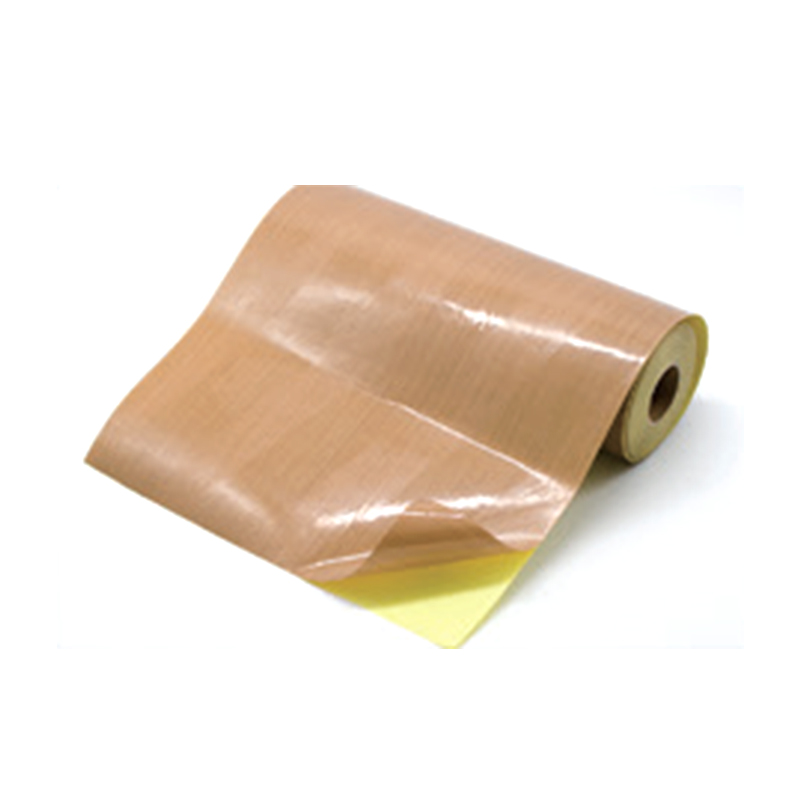
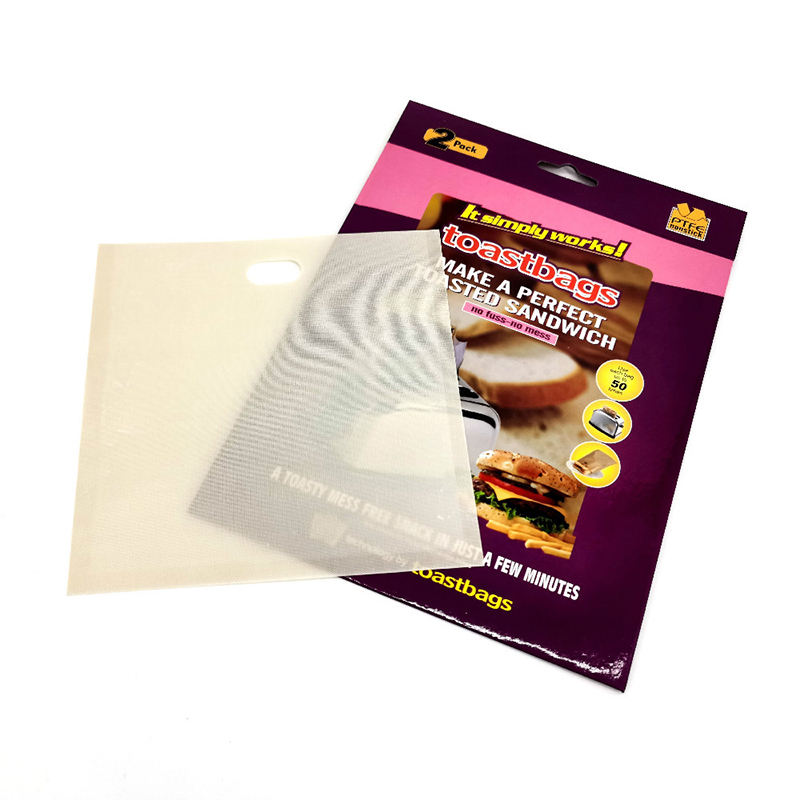
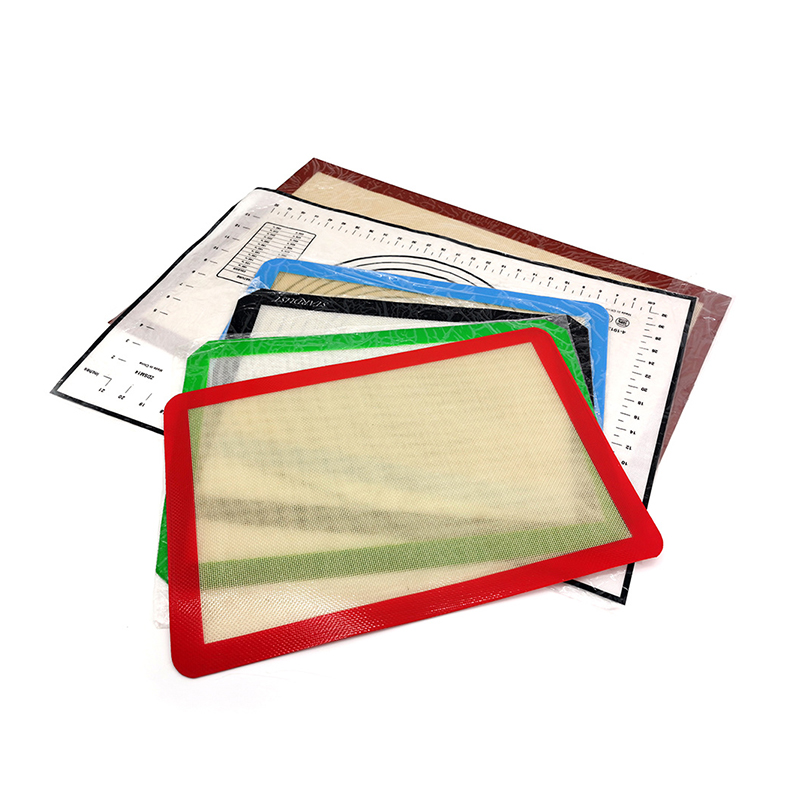
Barbecue grill mats, silicone baking mats, and barbecue grill mesh bags serve distinct cooking purposes determined by their material compositions and thermal tolerances. PTFE-coated fiberglass grill mats withstand temperatures up to 500 degrees Fahrenheit while creating a non-stick barrier between food and grill grates, whereas silicone baking mats operate safely to 480 degrees Fahrenheit in oven environments with superior flexibility for cookie and pastry work. The barbecue grill mesh bag, constructed from PTFE-coated open weave fiberglass, provides containment for small food items while exposing them directly to flame and smoke. Understanding these thermal and functional boundaries prevents material degradation and ensures food safety across grilling and baking applications.
The global market for non-stick cooking accessories exceeds $1.8 billion annually, with grill mats representing the fastest-growing segment at 12% year-over-year expansion. Consumer adoption drivers include reduced cleanup time (averaging 75% reduction in grill scrubbing effort), prevention of food loss through grill grates, and expanded cooking capabilities for delicate items like fish and vegetables that traditionally fragment on open grills.

Barbecue Grill Mat Construction and Performance
Grill mats combine substrate durability with non-stick surface chemistry to create reusable cooking surfaces that preserve grill marks while eliminating sticking.
Substrate and Coating Technologies
The foundation of quality barbecue grill mats utilizes woven fiberglass fabric with thread counts of 18x16 per square inch, providing dimensional stability under thermal cycling while maintaining flexibility for storage and handling. This substrate receives multiple layers of polytetrafluoroethylene (PTFE) coating, with total coating weights of 25-35 grams per square meter achieving the non-stick performance characteristic of premium products. The PTFE layer thickness of 50-75 micrometers ensures abrasion resistance through 500+ use cycles when properly maintained.
Copper-colored variants incorporate ceramic particulate additives to the PTFE matrix, marketing enhanced heat distribution and visual appeal, though thermal performance remains equivalent to standard black versions. Heavy-duty commercial grill mats utilize thicker fiberglass substrates (0.3-0.4 millimeters versus 0.2 millimeters for consumer grades) and doubled coating weights for restaurant environments requiring 1,000+ cycle durability.
Thermal Behavior and Safety Limits
PTFE coatings undergo molecular degradation above 570 degrees Fahrenheit, releasing decomposition products with potential health concerns. Quality grill mats incorporate temperature indicating features or explicit warnings restricting use below 500 degrees Fahrenheit maximum to provide safety margins. Direct flame contact must be avoided, as localized temperatures exceed coating limits even when overall grill thermometry reads within safe ranges. Preheating protocols require placing mats on grates before ignition, allowing gradual thermal ramping rather than shocking the material with sudden high heat.
| Grade Category | Thickness | Max Temperature | Coating Weight | Expected Lifespan |
|---|---|---|---|---|
| Standard consumer | 0.2 mm | 500F | 25 gsm | 300-500 uses |
| Heavy-duty | 0.3 mm | 500F | 35 gsm | 500-800 uses |
| Commercial grade | 0.4 mm | 500F | 50 gsm | 1,000+ uses |
| Mesh bag variant | 1.5 mm weave | 600F | Coated threads | 200-400 uses |
Silicone Baking Mat Chemistry and Applications
Silicone baking mats utilize distinct material science optimized for oven environments rather than direct flame exposure, offering superior non-stick release for baked goods.
Platinum-Cured Silicone Formulations
Premium silicone baking mats employ platinum-cured (addition-cure) silicone rubber rather than peroxide-cured alternatives, eliminating byproduct odors and achieving higher purity standards. The silicone layer, typically 0.7-1.0 millimeters thick, bonds to a fiberglass mesh core (0.3-0.5 millimeters) providing dimensional stability and heat distribution. Shore A hardness of 50-60 balances flexibility for rolling storage with surface durability resisting knife cuts and cookie cutter edges.
Thermal stability extends from -40 to 480 degrees Fahrenheit, enabling freezer-to-oven transitions without thermal shock cracking. Unlike PTFE, silicone does not off-gas at normal cooking temperatures, though decomposition begins around 572 degrees Fahrenheit producing siloxane vapors. The material exhibits excellent chemical resistance to fats and oils but degrades with prolonged exposure to strong acids or alkalis.
Performance Characteristics for Baking
Silicone baking mats provide consistent heat conduction eliminating hot spots that burn cookie bottoms, with thermal conductivity of 0.2-0.3 W/mK compared to 50 W/mK for aluminum baking sheets. This insulation property requires recipe adjustments, typically extending baking times by 10-15% or increasing temperatures by 10-15 degrees Fahrenheit to achieve equivalent browning.
The non-stick surface achieves release angles below 10 degrees for sugar-based doughs, though high-fat content items (croissants, puff pastry) may require light flour dusting. Surface texturing with embossed patterns or woven fiberglass impressions creates aesthetic finishes on baked goods while improving airflow for crisping.
Barbecue Grill Mesh Bag Design and Functionality
The barbecue grill mesh bag addresses specific grilling challenges involving small or delicate food items that fall through standard grates or disintegrate during turning.
Open-Weave Architecture and Airflow
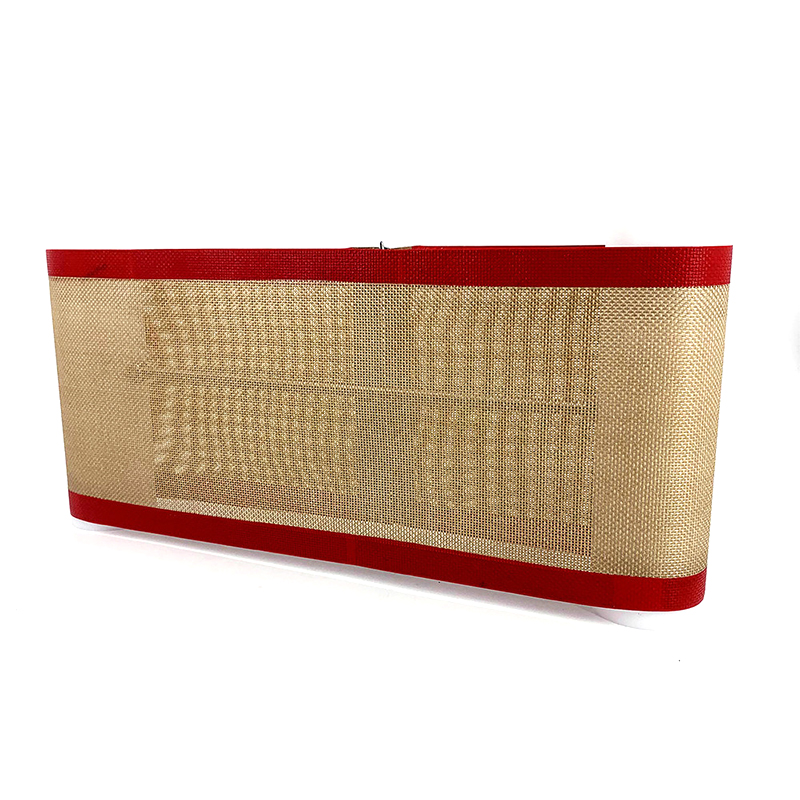
Mesh bags utilize PTFE-coated fiberglass thread woven in 4x4 or 5x5 millimeter grid patterns, creating 60-70% open area for flame exposure and smoke penetration. Thread diameters of 0.5-0.8 millimeters provide structural integrity when loaded with 2-3 pounds of food, while the flexible construction conforms to irregular grill surfaces. The open design achieves superior charring and grill marks compared to solid grill mats, approximating direct grilling results while preventing food loss.
Closure systems incorporate stainless steel snaps, hook-and-loop fasteners (heat-resistant to 300 degrees Fahrenheit), or simple fold-over designs. Snap closures offer the most secure containment for stirred or tossed cooking styles, while roll-top closures facilitate mid-cook access for basting or turning individual items.
Optimal Applications and Limitations
Barbecue grill mesh bags excel with vegetables (peppers, onions, cherry tomatoes), seafood (shrimp, scallops, fish cubes), and small meat pieces (kebab components, chicken wings). The containment enables aggressive flipping and shaking for even cooking without utensil manipulation of individual pieces. However, the reduced surface contact area compared to solid mats limits effectiveness with sticky marinated items or wet batters that require continuous support surfaces.
Safety Certifications and Regulatory Compliance
Food-contact materials require rigorous testing to ensure no harmful migration into food under normal use conditions.
FDA and LFGB Compliance Standards
Quality grill mats and silicone baking mats carry FDA compliance (21 CFR 177.1550 for PTFE, 21 CFR 177.2600 for silicone) confirming food-contact safety. European markets require LFGB (German Food and Feed Code) certification, which includes overall migration testing limited to 10 milligrams per square decimeter and specific migration limits for heavy metals and primary aromatic amines. Products lacking these certifications may utilize industrial-grade coatings with plasticizer or filler additives unsuitable for food contact.
PFOA-Free Manufacturing
Since 2015, responsible manufacturers eliminated perfluorooctanoic acid (PFOA) from PTFE coating processes due to environmental persistence concerns. Modern coatings utilize C6 fluorotelomer-based polymerization aids or entirely fluorosurfactant-free emulsion systems. PFOA-free certification should be explicitly stated on packaging, though consumers should remain skeptical of unverified claims from unknown brands.
Maintenance Protocols and Service Life Extension
Proper care significantly extends the functional lifespan of non-stick cooking accessories beyond typical consumer replacement cycles.
Cleaning Techniques and Chemical Restrictions
PTFE grill mats and mesh bags require hand washing with mild detergent and soft sponges only. Dishwasher exposure degrades coatings through harsh detergent chemistry and mechanical abrasion from spray arms. Abrasive scrubbers (steel wool, scouring pads) immediately damage non-stick surfaces, creating adhesion points that propagate coating delamination. For stubborn residue, soaking in warm soapy water for 30 minutes softens carbonized deposits for gentle removal.
Silicone baking mats tolerate dishwasher cleaning but benefit from immediate post-use wiping to prevent sugar caramelization that bonds tenaciously to the surface. Rolling mats for storage rather than folding prevents crease stress that eventually cracks fiberglass cores.
Replacement Indicators and End-of-Life Signs
PTFE coatings require replacement when visible wear exposes underlying fiberglass (appearing as dark threads or mesh patterns), when food begins sticking despite oil application, or when the surface becomes tacky indicating polymer degradation. Silicone mats require replacement when surface cracking appears, when discoloration indicates filler exposure, or when physical deformation prevents flat laying on baking sheets.
The barbecue grill mat, silicone baking mat, and barbecue grill mesh bag each occupy essential niches in modern cooking, with selection determined by cooking method, temperature requirements, and food characteristics. Investment in certified, quality-grade products with adherence to temperature limits and cleaning protocols delivers years of service while enhancing cooking versatility and reducing cleanup burden.
Message Us Right Now!

- Phone: +86-18651171105
- Fax: +86-18651171105
- Email: yaxing@yaxing.com
- Address: No. 18, Yongxin East Road, Gaogang District, Taizhou City, Jiangsu Province, China.
Copyright © Yaxing Plastic Industry Co., Ltd. All Rights Reserved. Custom High-End Precision PTFE Series Products Manufacturers 