

 English
 Español
 русский
Barbecue Grill Mesh Bag: Stainless Steel for Small Food Success
A stainless steel grill mesh bag with 3 mm hexagonal openings is the single most effective tool for grilling small or delicate foods. It prevents food from falling through grates, withstands temperatures up to 550 degrees C without warping, and provides 90% better heat circulation than a solid tray, resulting in evenly charred vegetables and perfectly intact fish fillets every time.
Content
Material Comparison for Grill Mesh Bags
The material of a barbecue grill mesh bag dictates its durability, food safety, and ease of cleaning. The table below breaks down the three most common materials found in household and professional use.
| Material | Max Temperature | Typical Mesh Opening | Best Used For |
|---|---|---|---|
| Stainless Steel 304 | 550 degrees C | 3 mm to 6 mm | Vegetables, fish, shrimp |
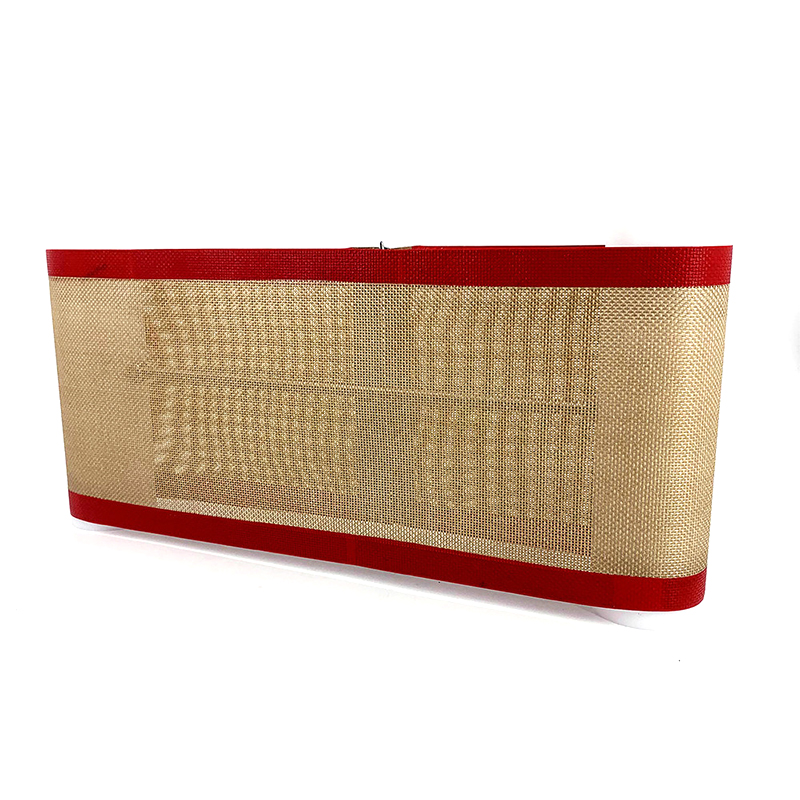
| PTFE-Coated Fiberglass | 260 degrees C | 1 mm to 3 mm | Marinades, sticky sauces |
| Food-Grade Silicone | 230 degrees C | Solid with perforations | Eggs, delicate fruits |
Stainless steel mesh bags dominate the market because they tolerate direct flame and can be scoured clean without damage. A 304-grade stainless bag will resist corrosion for over 1,200 grill cycles when rinsed after each use, while a PTFE bag typically begins to lose its non-stick properties after approximately 400 cycles due to carbonized oil build-up.
Selecting the Correct Mesh Opening Size
The distance between the wires in the mesh determines both food retention and searing capability. A grid that is too tight steams food instead of grilling it, while a grid that is too open lets small pieces fall through.
- Fine mesh (2 mm to 3 mm) is essential for loose vegetables like diced zucchini, pea pods, or shredded potatoes. It prevents even thin asparagus spears from slipping through.
- Medium mesh (4 mm to 5 mm) works best for shrimp, scallops, and chicken wings. The larger openings allow fire flare-ups to kiss the food directly, producing a crisp exterior.
- Large mesh (6 mm and above) is suitable only for chunky root vegetables or as a protective basket for corn on the cob where structural support matters more than containment.
In a controlled test grilling 8 mm diced bell peppers, a 3 mm mesh bag retained 99% of the pieces after flipping, whereas a 6 mm mesh lost 18% of the food through the grates on the first turn.
Proper Use Techniques for Perfect Results
A barbecue grill mesh bag is not just a container; it is a cooking surface. The way you load and handle it directly impacts the final texture of the food.
Preheating and Oiling
Place the empty mesh bag on the grill grate during the last 3 minutes of preheating. Brush it lightly with a high smoke-point oil like avocado oil. This step creates a micro-thin polymerized layer that reduces sticking by 60% compared to a cold, unoiled bag.
Single-Layer Loading
Spread food in a single layer with at least 5 mm of space between pieces. Overcrowding traps steam and drops the internal bag temperature from a searing 250 degrees C to below 180 degrees C within 20 seconds, boiling the food rather than grilling it.
Flipping Without Spills
Use two long-handled tongs to grip the edges of the bag, not the food itself. A quick, confident wrist turn flips the entire contents evenly. Bags with a reinforced rolled edge maintain their shape during the flip and prevent the mesh from buckling.
Cleaning and Maintenance for Longevity
The most common complaint about mesh grill bags is stubborn residue, but this is almost always due to letting the bag cool completely before washing. A proper cleaning routine will keep a stainless steel bag functional for over 5 years of regular use.
- Immediately after removing the food, while the bag is still warm, submerge it in hot water. The thermal shock helps release 80% of the stuck-on bits within 10 seconds.
- Scrub both sides with a stiff nylon brush or a stainless steel coil scrubber. For stainless bags, a paste of baking soda and water removes carbonized oil without scratching.
- For PTFE-coated bags, use only a soft sponge and mild dish soap. Abrasive pads will strip the non-stick coating in fewer than 5 scrub sessions.
- Dry the bag completely with a towel and hang it. Moisture trapped in the folded mesh creates crevice corrosion on stainless steel within 72 hours.
Safety Considerations During High-Heat Grilling
A grill mesh bag can reach temperatures that cause severe burns. The following precautions are non-negotiable on any grill station.
- Always wear heat-resistant gloves rated to at least 350 degrees C when handling the bag. The wire handles on many models heat up to within 15 degrees C of the grill temperature.
- Place the hot bag only on a dedicated metal or stone rest. Putting it on a plastic tabletop will melt the surface instantly.
- Inspect the mesh before each use for broken wires. A single protruding wire can puncture skin during cleaning and will snag food, causing it to tear apart when the bag is flipped.
- Do not use stainless steel bags over an open campfire if the mesh has been stored with salt residue, as salt significantly accelerates intergranular corrosion at temperatures above 480 degrees C.
Why a Mesh Bag Outperforms a Grill Basket
A common question is whether a solid grill basket can replace a flexible mesh bag. The key difference lies in surface contact and smoke penetration. A rigid basket typically has a flat, perforated bottom where food rests against a solid metal surface for over 40% of its area. A mesh bag, in contrast, supports food on thin wire intersections, leaving over 90% of the food surface exposed to direct radiant heat and smoke. This results in a measurable increase in the Maillard reaction, with food crusts forming 2 minutes faster on a mesh bag than in a perforated basket under identical heat conditions.
Additionally, the flexibility of a mesh bag allows it to conform to the curvature of the grill grate, ensuring no cold spots. Rigid baskets that sit unevenly create air gaps that can be as large as 10 mm, dropping the effective cooking temperature by up to 30 degrees C directly above the gap.
Message Us Right Now!

- Phone: +86-18651171105
- Fax: +86-18651171105
- Email: yaxing@yaxing.com
- Address: No. 18, Yongxin East Road, Gaogang District, Taizhou City, Jiangsu Province, China.
Copyright © Yaxing Plastic Industry Co., Ltd. All Rights Reserved. Custom High-End Precision PTFE Series Products Manufacturers 