

 English
 Español
 русский
Best Barbecue Grill Mat: Safety, PTFE, vs Foil & Basket, How to Choose
Finding the best barbecue grill mat means cutting through marketing claims and understanding what really matters: material safety, thickness, heat tolerance, and how the mat stacks up against everyday alternatives like foil and grill baskets. A grill mat is not automatically superior to other tools — it excels in specific scenarios and has clear limitations in others. This guide gives you a direct comparison of grill mat vs aluminum foil and grill mat vs grill basket, answers the question are grill mats safe with reference to PTFE stability, and provides a practical framework for how to choose a grill mat that matches your cooking style and grill type.
Content
Grill Mat vs Aluminum Foil: Performance, Cost, and Waste
When comparing a grill mat vs aluminum foil, the most obvious difference is reusability. A heavy‑duty PTFE grill mat can last for 500 to 1,000 uses, while aluminum foil is a single‑use product that must be discarded after each cook. Over a summer of weekend grilling, a household using foil might go through 20–30 meters of foil, generating significant waste and ongoing cost. A single grill mat costing $15–$30 replaces that entirely.
Performance differences are equally clear. Aluminum foil reflects heat and can create hot spots, sometimes scorching food while leaving other areas undercooked. It also tears easily under a spatula, especially when laden with heavy food. A fiberglass grill mat with PTFE coating distributes heat more uniformly and withstands spatula pressure without puncturing. Additionally, acidic marinades and tomato‑based sauces react with aluminum, potentially leaching a metallic taste into the food. A chemically inert PTFE grill mat eliminates this issue entirely. For delicate items like fish fillets that would stick to and tear foil, the non‑stick surface of a mat is undeniably superior.
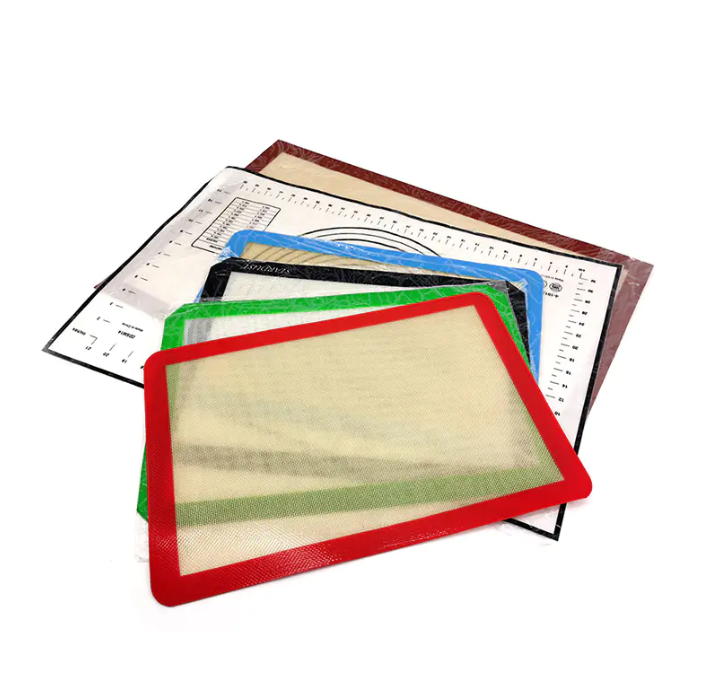
Grill Mat vs Grill Basket: When to Use Each Tool
The choice between a grill mat vs grill basket depends on what you are cooking and the result you want. A grill basket is a perforated metal container with sides that keep small or loose ingredients contained. It excels at cooking chopped vegetables, shrimp, or cubed meat that requires frequent tossing. The open holes allow direct flame contact, producing char and smoke flavor that a solid mat cannot fully replicate.
However, grill baskets have their own frustrations. Food sticks to the metal mesh, requiring oiling before every use, and cleaning a basket with burnt‑on residue can take 10–15 minutes of scrubbing. A non‑stick grill mat eliminates sticking and cleans up in seconds. For flat items like burgers, pancakes, bacon, or fish, the mat provides a seamless cooking surface that a basket cannot offer. The smoke and char level is lower, but the convenience and versatility are higher. Many experienced grillers keep both tools: a basket for flame‑kissed vegetables and a mat for delicate or sticky foods that benefit from a smooth, non‑stick surface.
Are Grill Mats Safe? Understanding PTFE and Fiberglass
A frequent concern when considering are grill mats safe centers on the PTFE coating. PTFE (polytetrafluoroethylene) is a stable, food‑safe polymer approved by regulatory agencies worldwide for cookware. At normal grilling temperatures below 260°C (500°F), PTFE does not break down or release harmful substances. The fiberglass core inside a fiberglass grill mat is inert and encapsulated, meaning fibers cannot shed into food unless the mat is cut or deeply scored.
Safety issues only arise when a mat is severely overheated. Above 260°C, PTFE can begin to degrade, and above approximately 350°C (662°F), it may emit fumes that are harmful if inhaled, though the quantity from a thin mat is minimal. To eliminate risk, always use a heat resistant grill mat within its rated temperature range and never place it directly over a roaring flame with no food on top for extended periods. Gas grill users should keep the lid temperature below the mat’s limit; charcoal users should let the coals ash over and spread them evenly. Purchasing mats that are PFOA‑free and certified food‑grade further ensures that the best barbecue grill mat is also a safe one.
How to Choose a Grill Mat: Material, Thickness, and Features
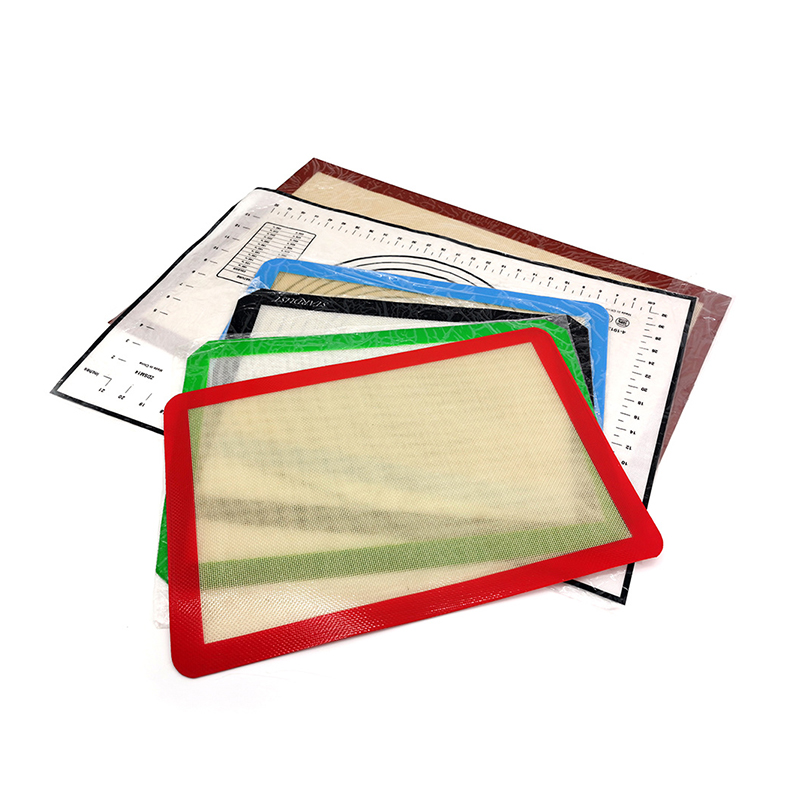
Knowing how to choose a grill mat is a matter of matching the mat’s specifications to your grill, your food, and your cleaning habits. The most important criteria are summarized in the table below.
| Criterion | What to Look For | Why It Matters |
|---|---|---|
| Material | PTFE‑coated fiberglass; avoid unknown plastics | Ensures non‑stick performance and heat resistance |
| Thickness of grill mat | 0.25mm – 0.30mm for standard; 0.35mm+ for heavy‑duty | Thicker mats last longer, resist warping, and bridge wide grate gaps |
| Temperature rating | Minimum 260°C (500°F) continuous; higher for charcoal | Prevents degradation and ensures safety during high‑heat searing |
| Dishwasher safe | Explicitly labeled dishwasher safe grill mat | Enables effortless, thorough cleaning without manual scrubbing |
| Size and cuttability | Can be trimmed with scissors to fit custom grills | Ensures full coverage of your specific grate dimensions |
| Certifications | PFOA‑free, food‑grade FDA or LFGB approval | Verifies the mat is safe for direct food contact |
The thickness of grill mat deserves special attention. A thin mat of 0.20 mm or less may warp and lift under high heat, creating uneven hot spots. A heavy duty grill mat with a thickness of 0.35–0.50 mm stays flat, bridges gaps in wide‑spaced grates, and resists cutting damage from spatulas. Many pitmasters prefer two thicknesses: a thinner, more flexible mat for light vegetables and pancakes, and a heavy‑duty one for burgers, steaks, and heavy use. Always verify the mat’s maximum temperature — a mat rated only to 200°C is inadequate for searing and should be avoided for high‑heat grilling.
Maintenance and the Value of a Dishwasher Safe Grill Mat
A dishwasher safe grill mat fundamentally changes the cleanup equation. After cooking, a greasy mat can be placed directly on the top rack of a dishwasher and emerge spotless without hand scrubbing. This not only saves time but also extends the mat’s life by eliminating abrasive cleaning that wears down the PTFE coating. Even with dishwasher‑safe models, however, occasional hand washing with mild soap and a soft sponge is recommended to prevent the buildup of carbonized oil at the edges.
For a heavy duty grill mat that is frequently used, simple habits make the difference between a 2‑year lifespan and a 5‑year one. Always preheat the grill before placing the mat, use only low to medium‑high burner settings, and avoid sharp metal utensils. After washing, dry the mat completely and store it flat or rolled — never folded. With these practices, the mat remains a reliable, safe, and non‑stick cooking surface season after season, proving itself as the best barbecue grill mat for your outdoor kitchen.
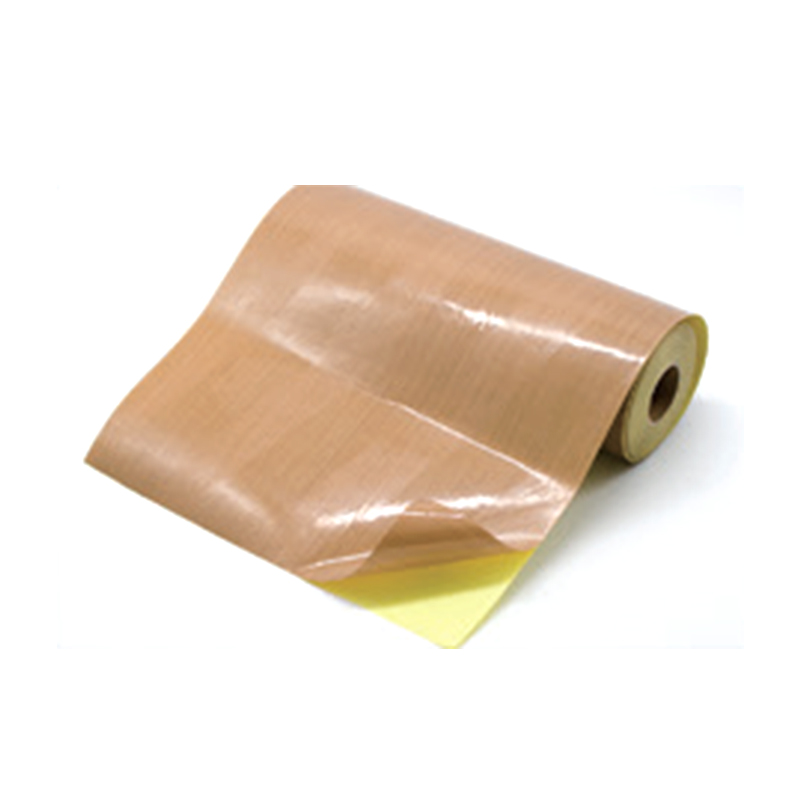
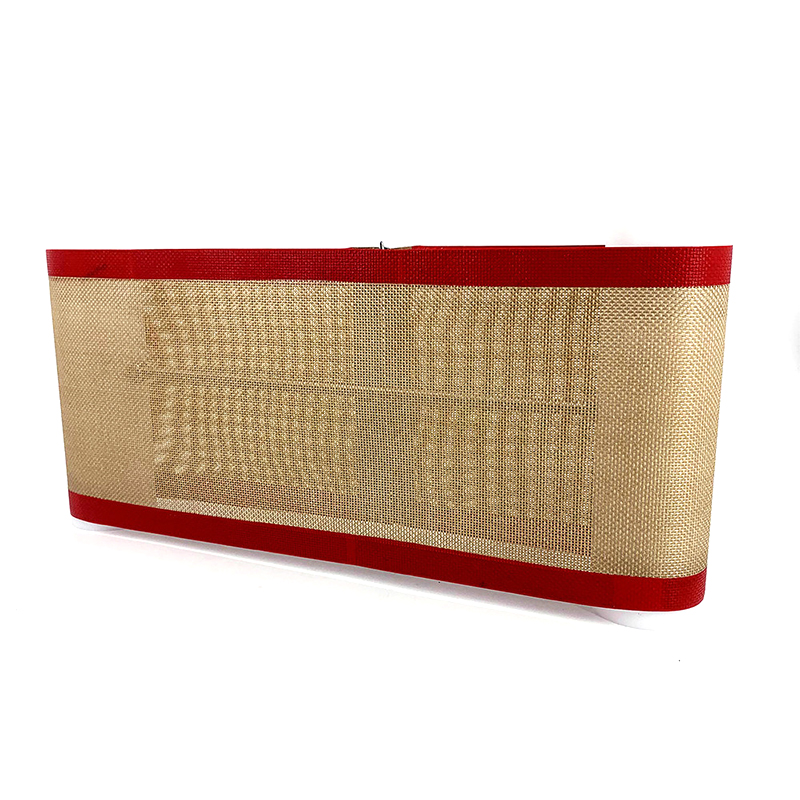
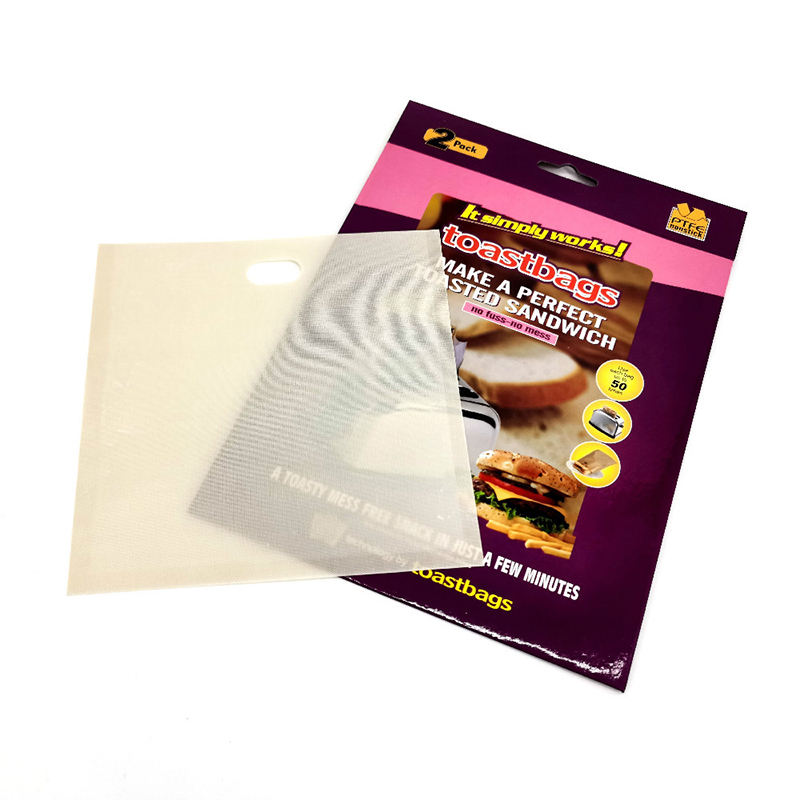
Message Us Right Now!

- Phone: +86-18651171105
- Fax: +86-18651171105
- Email: yaxing@yaxing.com
- Address: No. 18, Yongxin East Road, Gaogang District, Taizhou City, Jiangsu Province, China.
Copyright © Yaxing Plastic Industry Co., Ltd. All Rights Reserved. Custom High-End Precision PTFE Series Products Manufacturers 