

 English
 Español
 русский
PTFE Fiberglass Fabric: High-Temperature Non-Stick Performance Guide
Content
- 1 The Definitive Answer: Unmatched Performance in Extreme Environments
- 2 What Exactly is PTFE Fiberglass Fabric?
- 3 Critical Performance Properties Backed by Data
- 4 PTFE vs. Silicone and Other Coated Fabrics: A Data-Driven Comparison
- 5 Key Industrial Applications Driving Demand
- 6 How to Select the Right Grade for Your Application
- 7 Installation and Maintenance Best Practices
- 8 Cost‑Effectiveness and Long‑Term Value
- 9 Common Myths Debunked
- 10 Why PTFE Fiberglass Fabric Remains the Engineering Choice
The Definitive Answer: Unmatched Performance in Extreme Environments
PTFE (polytetrafluoroethylene) fiberglass fabric stands alone as the premier material when an application demands a combination of continuous high-temperature resistance up to 260°C (500°F), exceptional chemical inertness, and a truly non-stick surface. This composite, built on a woven fiberglass base impregnated with PTFE, answers the most aggressive industrial challenges where other coated fabrics degrade, stick, or fail. Its value lies not just in surviving harsh conditions, but in delivering a surface energy below 20 mN/m that virtually nothing will permanently adhere to, while maintaining dielectric strengths often exceeding 15 kV/mm. The direct conclusion is clear: for release sheets, high-temperature conveyor belts, architectural membranes, and critical electrical insulation, PTFE fiberglass fabric is the engineering solution that minimizes downtime and maximizes process reliability.
What Exactly is PTFE Fiberglass Fabric?
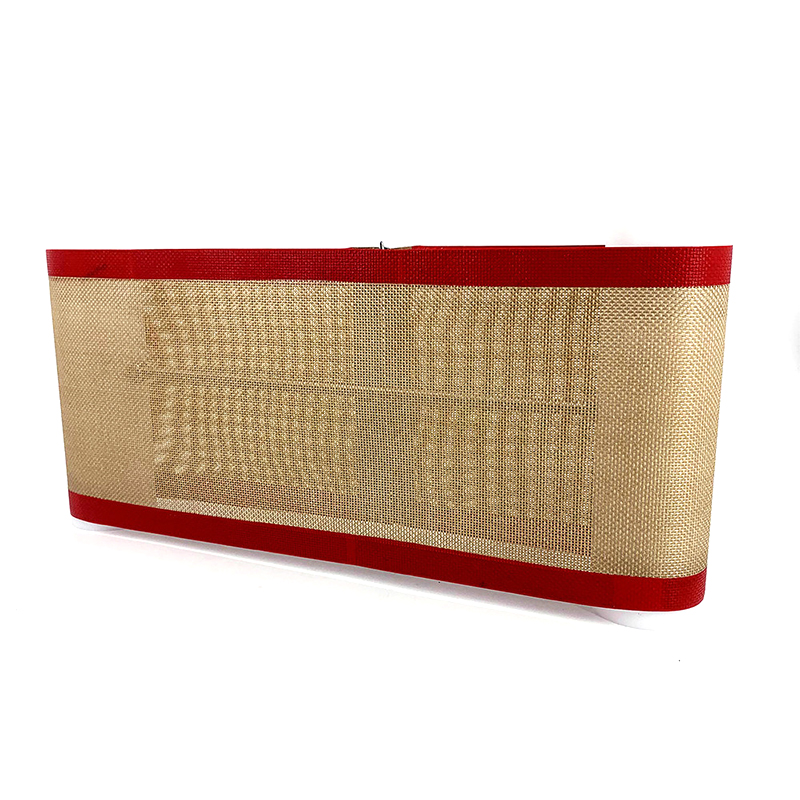
The material is a reinforced composite. Base fabric is woven from high-tenacity E-glass or specialty glass yarns, chosen for dimensional stability and tensile strength. This substrate is then coated, typically through multiple dip-and-sinter cycles, with a PTFE dispersion. Each pass deposits a layer that is fused at temperatures around 370°C, creating a homogenous, pin-hole‑free coating. The result is a flexible, durable sheet that marries the mechanical toughness of fiberglass with the low friction and inert surface of pure PTFE.
The Manufacturing Process in Brief
- Weaving high‑quality glass filament yarn into a precise, heat‐cleaned fabric.
- Impregnation with a PTFE dispersion, often combined with controlled additives for specific colors or anti-static properties.
- Sintering at approximately 370°C to fuse the polymer and eliminate the carrier.
- Multiple coating passes to build thickness and ensure a non-porous, smooth finish.
Critical Performance Properties Backed by Data
Selecting PTFE fiberglass fabric means engineering with known physical constants. The table below provides reference values for standard industrial grades, reflecting how thickness and coating weight translate into real-world capability.
| Property | Lightweight Grade (0.13 mm) | Medium Grade (0.25 mm) | Heavy Grade (0.40 mm) |
|---|---|---|---|
| Weight (g/m²) | ~250 | ~450 | ~700 |
| Tensile Strength Warp/Fill (N/cm) | 250/220 | 400/350 | 650/550 |
| Continuous Temp. | 260°C | 260°C | 260°C |
| Dielectric Strength (kV/mm) | 18 | 20 | 22 |
| PTFE Content (%) | 45–50 | 50–55 | 55–60 |
Beyond these figures, the fabric shows a coefficient of friction as low as 0.05, resists UV degradation indefinitely, and is unaffected by virtually all chemicals except molten alkali metals and elemental fluorine under pressure. Its non‑stick character is so pronounced that even high‑tack adhesives release cleanly without residue.
PTFE vs. Silicone and Other Coated Fabrics: A Data-Driven Comparison
When choosing a high‑temperature textile, the decision often falls between PTFE fiberglass, silicone‑coated fiberglass, and neoprene‑coated fabrics. The table below shows exactly why PTFE dominates in applications where surface release and thermal ceiling are paramount.
| Property | PTFE Fiberglass | Silicone Fiberglass | Neoprene Fabric |
|---|---|---|---|
| Max Continuous Temp. | 260°C (500°F) | 230°C (446°F) | 120°C (248°F) |
| Non‑Stick Release | Excellent | Good | Poor |
| Chemical Resistance | Outstanding | Moderate | Good (oils/acids) |
| UV/Weather Resistance | Virtually Inert | Good (may yellow) | Poor (cracks) |
| Relative Cost | Higher initial | Moderate | Low |
Silicone fabrics can suffice at moderate temperatures where some sticking is acceptable, but only PTFE fiberglass delivers true zero‑residue release cycle after cycle. For instance, in composite curing, silicone may leave contamination that requires sanding, while PTFE eliminates the step entirely.
Key Industrial Applications Driving Demand
The unique property set of PTFE fiberglass fabric translates directly into mission‑critical uses across sectors. Practical examples underscore its indispensability:
- Composite curing release sheets – aerospace manufacturers like Boeing use them to separate prepreg layers under autoclave heat and pressure, avoiding contamination.
- Heat sealing and welding blankets – packaging lines rely on the fabric to prevent melted polymer from adhering to sealing bars, with operating speeds reaching over 200 cycles per minute.
- Conveyor belts for food processing – non‑stick PTFE belts carry sticky dough, cheese, and chocolate through baking ovens without oil, meeting FDA 21 CFR 177.1550 standards.
- Architectural tensile membranes – iconic roofs such as Denver International Airport use PTFE fiberglass for its self‑cleaning surface and 30‑year design life.
- Electrical insulation tapes and slot liners – in motors and transformers, the fabric's high dielectric strength and thermal class (N, 200°C) prevent short circuits.
- Welding curtains and expansion joints – resistant to sparks and molten metal splatter while withstanding corrosive fumes.
In each case, the fabric solves a practical problem: eliminating adhesion, extending service life, and maintaining purity.
How to Select the Right Grade for Your Application
Not all PTFE fiberglass fabrics are identical. A data‑driven selection process avoids over‑engineering and cost waste. Focus on these specification variables:
- Thickness and weight – match the mechanical load. A 0.13 mm lightweight fabric suits release sheets for flat panels, while a 0.40 mm heavy grade handles abrasive conveyor slider beds.
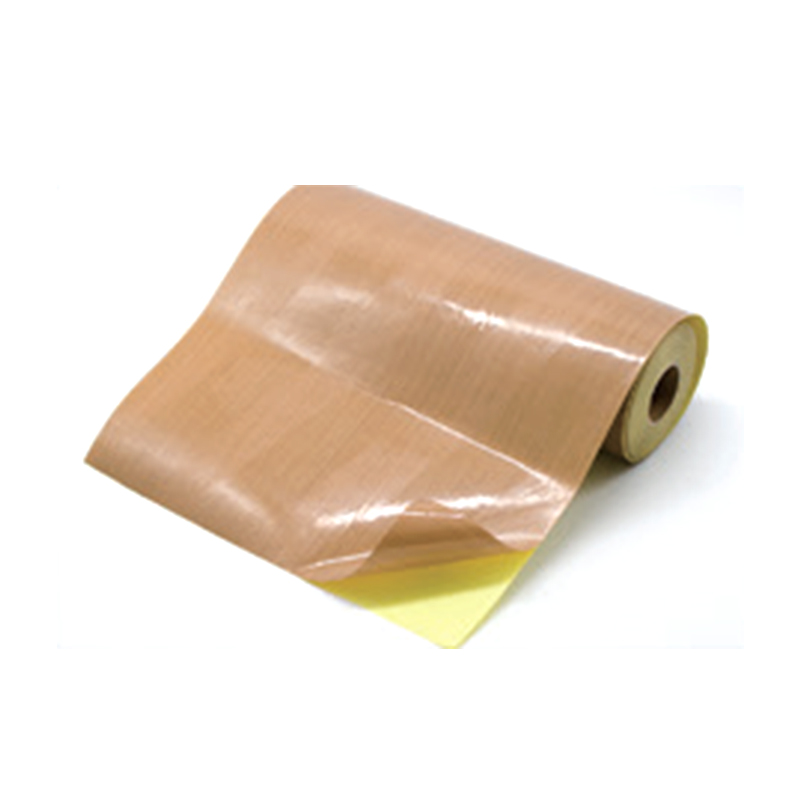
- Adhesive backing – pressure‑sensitive versions simplify installation on smooth surfaces, with peel adhesion ranging from 15–25 N/25mm.
- PTFE content and surface finish – a higher PTFE percentage (above 55%) yields maximum release and a glossier, less wettable surface.
- Anti‑static properties – for electronics or printing, select grades incorporating carbon or metal additives to bleed static charge.
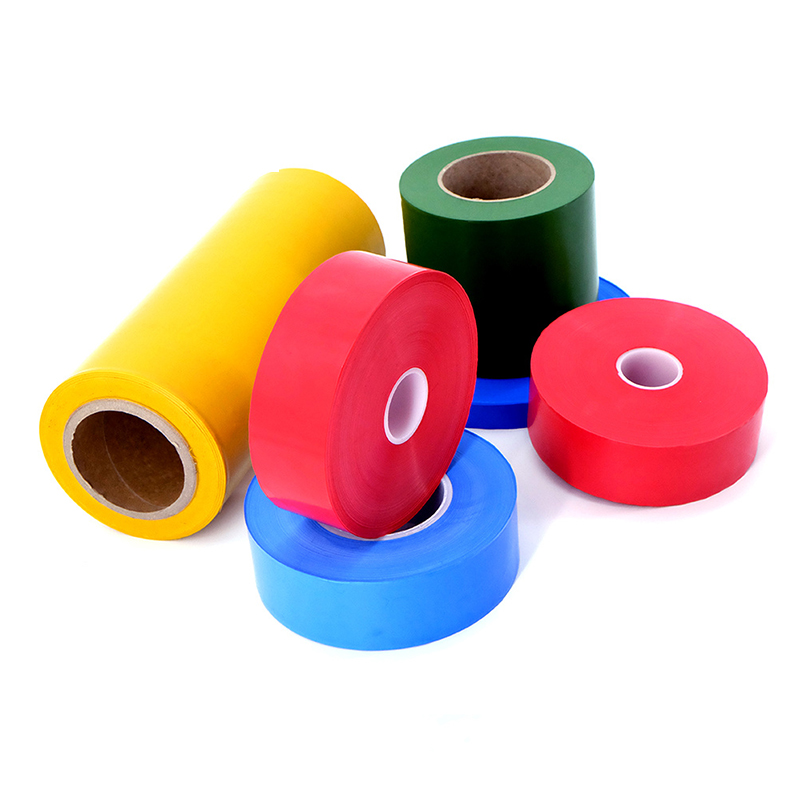
- Width and color – standard rolls up to 2,000 mm are available; natural brown is common, but black pigmentation can improve opacity in UV‑sensitive processes.
Requesting measured data for tensile strength and coating weight from a supplier guarantees the fabric aligns with your calculated stress and thermal exposure.
Installation and Maintenance Best Practices
Installation Tips That Preserve Integrity
- Allow for thermal expansion: PTFE fiberglass expands approximately 0.01% per °C; pre‑tensioning or providing slack loops prevents buckling on ovens.
- Use mechanical fasteners or high‑temperature silicone adhesives specifically designed for non‑stick surfaces; standard glues will fail.
- Avoid sharp folds or creases during mounting, as fiberglass can be brittle under point loads, especially in thinner grades.
Cleaning and Long‑Term Care
Routine cleaning keeps non‑stick performance optimal. A mild detergent and soft cloth remove most residues; stubborn carbonized deposits can be soaked with isopropyl alcohol or a non‑abrasive alkaline cleaner. Never use steel wool or scrapers. Architectural membranes benefit from natural rain washing, achieving light reflectance values over 70% that endure for decades.
Cost‑Effectiveness and Long‑Term Value
Although PTFE fiberglass fabric carries a higher unit price than silicone alternatives – often two to three times the cost per square meter – the total lifecycle economics heavily favor it. In a typical bakery conveyor application, a silicone belt might require replacement every 12–18 months due to surface degradation and buildup, while a PTFE belt routinely lasts over five years. When accounting for reduced cleaning chemical usage, elimination of release agent consumption, and avoided downtime for belt changes, the return on investment becomes clearly positive within the first two years. An analysis for a mid‑volume composite shop showed that switching to PTFE release sheets saved approximately €12,000 annually in labor and material waste alone.
Common Myths Debunked
Misconceptions about PTFE fiberglass fabric can lead to misapplication. Clarifying the following removes risk:
- Myth: It can handle any temperature. Fact: The continuous rating is 260°C; exposure above 300°C drastically accelerates polymer degradation and loss of mechanical strength, even if it doesn't melt.
- Myth: It’s fragile and tears easily. Fact: The embedded glass fabric provides high tear resistance. A 0.25 mm grade often exhibits trapezoidal tear strength above 50 N, outperforming many unreinforced polymer films.
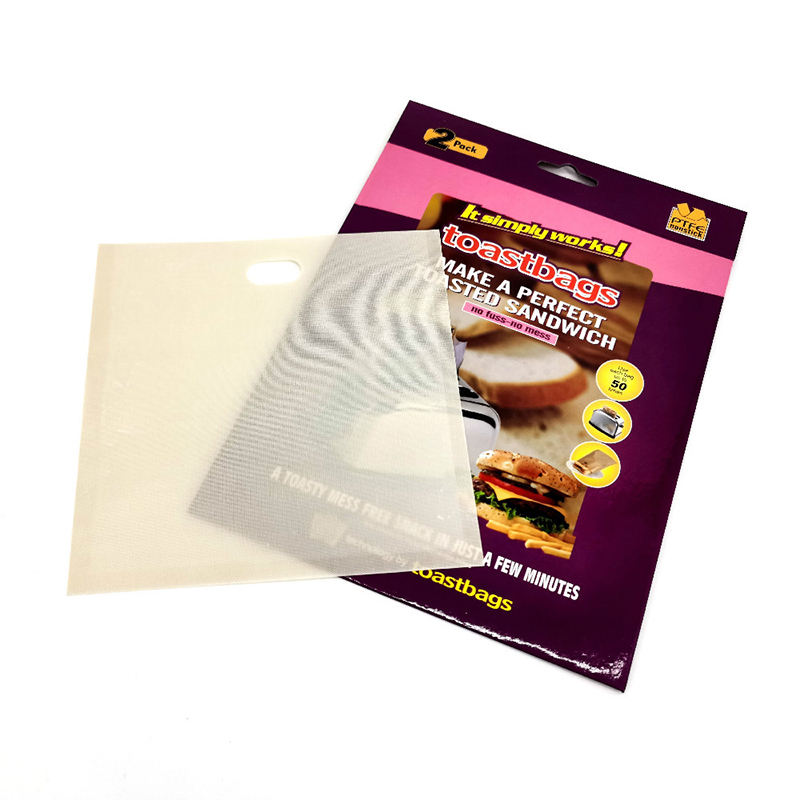
- Myth: It’s only for heavy industry. Fact: Consumer oven liners, reusable grilling mats, and craft pressing sheets are all PTFE fiberglass fabric, prized for the same food‑grade release properties.
Understanding these realities ensures the material is applied within its proven envelope, delivering predictable, safe performance.
Why PTFE Fiberglass Fabric Remains the Engineering Choice
The convergence of 500°F thermal endurance, complete chemical inertness, and a release surface that sets the standard by which all others are measured makes PTFE fiberglass fabric a uniquely capable industrial textile. From safeguarding million‑dollar composite tooling to enabling food plants to run 24/7 without sticking, its value proposition is confirmed by decades of field data. When the specification demands a material that simply will not fail at the interface between heat, adhesion, and process reliability, PTFE fiberglass fabric is the answer that engineers return to time and again.

Message Us Right Now!

- Phone: +86-18651171105
- Fax: +86-18651171105
- Email: yaxing@yaxing.com
- Address: No. 18, Yongxin East Road, Gaogang District, Taizhou City, Jiangsu Province, China.
Copyright © Yaxing Plastic Industry Co., Ltd. All Rights Reserved. Custom High-End Precision PTFE Series Products Manufacturers 