

 English
 Español
 русский
PTFE Film: Properties, Types & Industrial Applications
Content
What Is PTFE Film and Why It Stands Apart
PTFE film — short for polytetrafluoroethylene film — is a thin, flexible sheeting material produced from one of the most chemically inert polymers known to engineering. Its defining properties are not incremental improvements over conventional plastics; they represent a fundamentally different performance envelope. PTFE film maintains full functionality from –200 °C to +260 °C, resists virtually every industrial chemical except molten alkali metals and fluorinating agents, and carries a surface energy so low that almost nothing bonds to it permanently.
The material is produced primarily through two methods. Skived PTFE film is sliced from a sintered PTFE billet using a precision lathe — the same principle as peeling veneer from a log — yielding a dense, uniform sheet with consistent dielectric properties. Biaxially oriented PTFE (ePTFE) film is expanded under controlled tension to create a microporous structure with a high surface-area-to-weight ratio and breathable characteristics. Each production method produces a film optimized for a distinct set of applications.
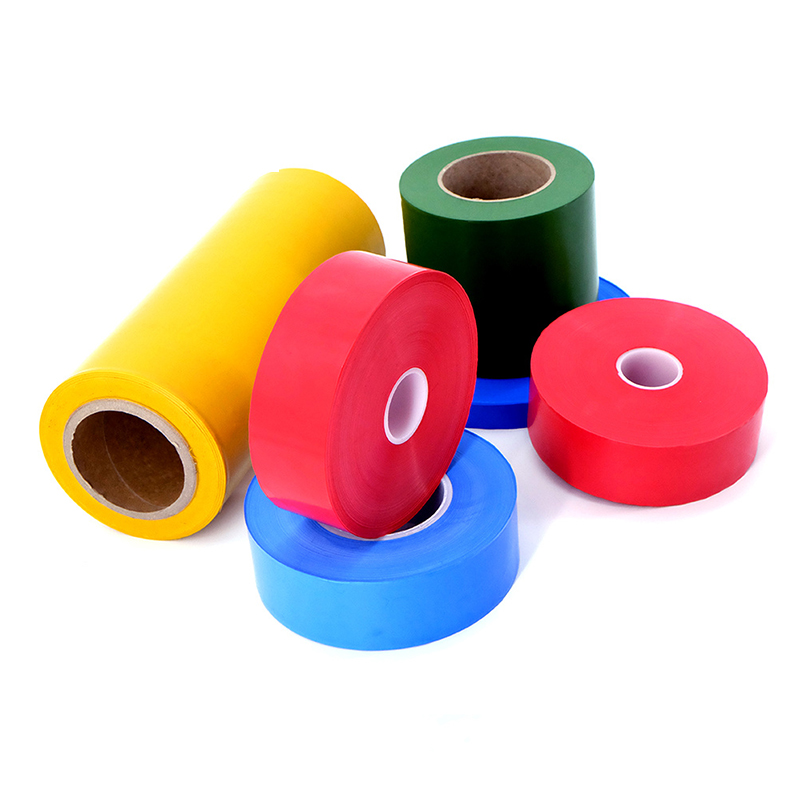
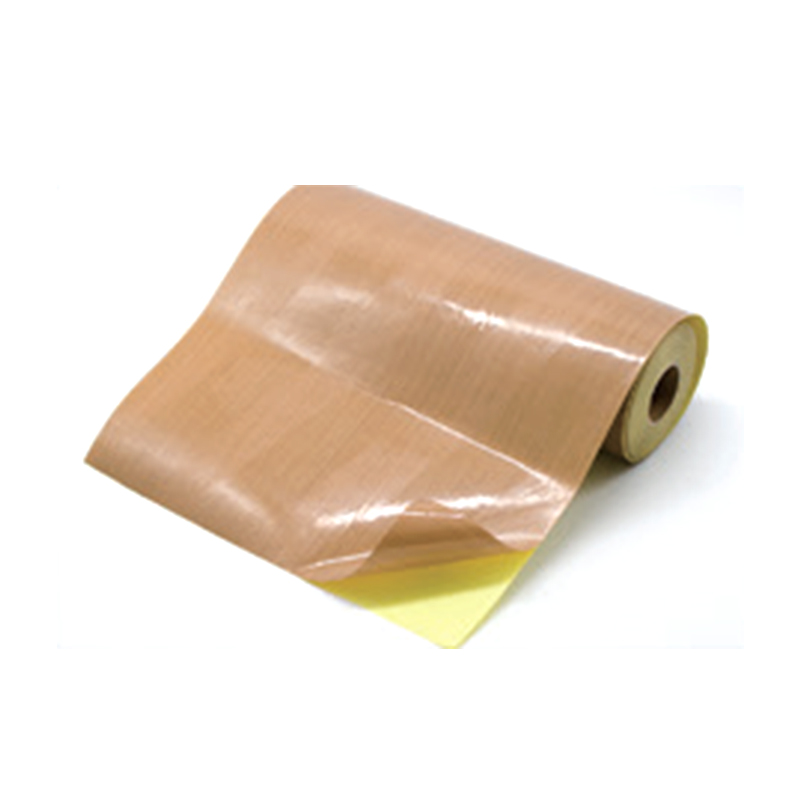
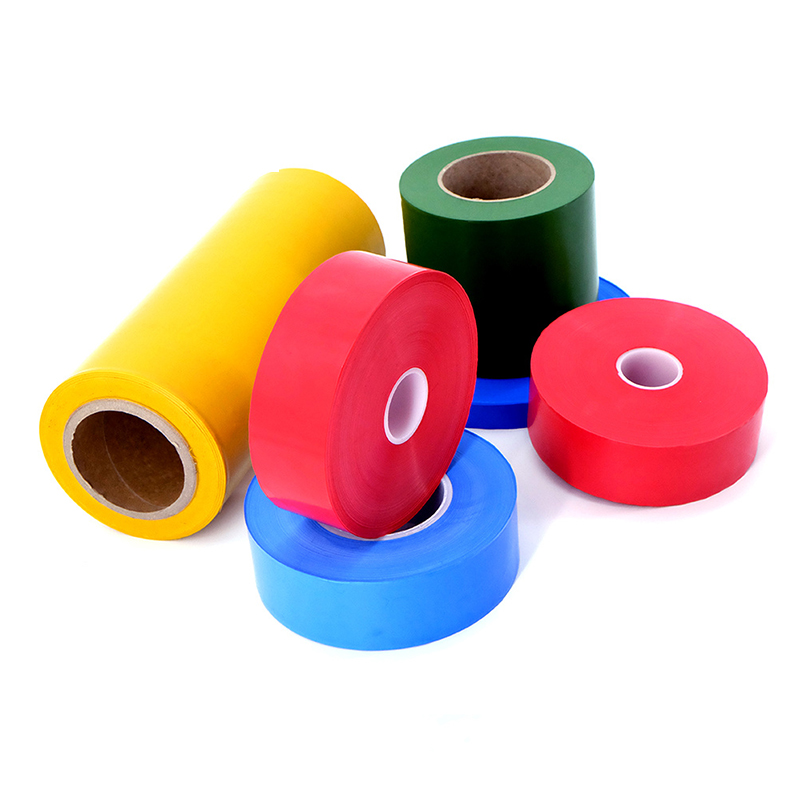
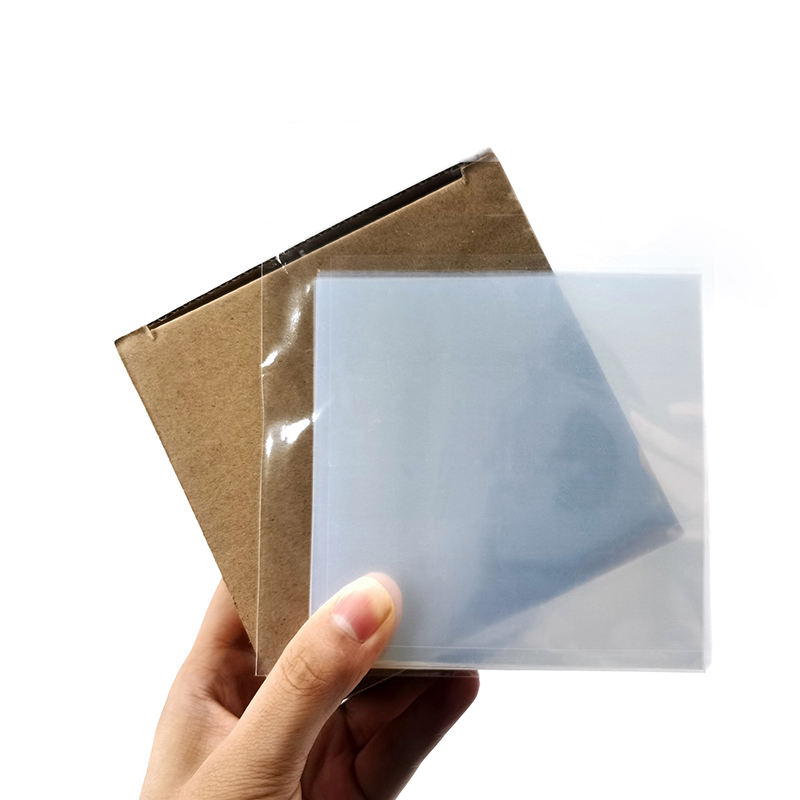
Thickness ranges from under 0.01 mm for electrical insulation films up to 3 mm or more for heavy industrial liners. Standard widths reach 1,500 mm in skived form, though wider sheets can be spliced or laminated. The film can be supplied as plain sheeting, pressure-sensitive adhesive-backed tape, or as a reinforced composite with glass fiber or stainless mesh substrates.
Key Properties That Drive Industrial Adoption
Understanding why engineers specify PTFE film over alternatives requires looking at each critical property in practical terms:
- Chemical resistance: PTFE is unaffected by concentrated sulfuric acid, hydrofluoric acid, aqua regia, strong oxidizers, and virtually all organic solvents. In chemical processing liners and gasket facings, this eliminates the compatibility research required for most other polymer films.
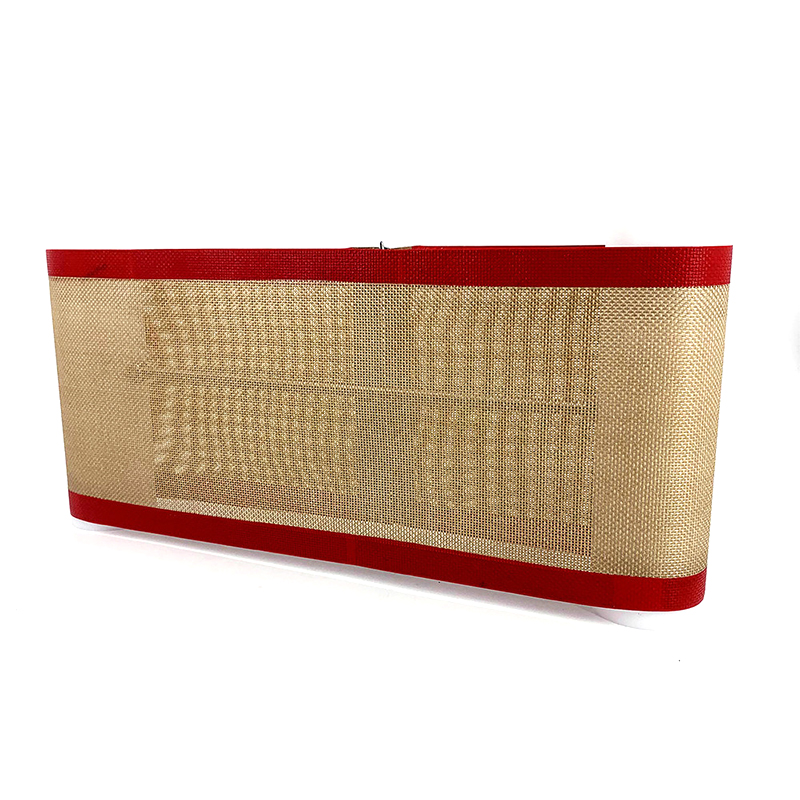
- Non-stick surface: With a coefficient of friction as low as 0.04 (lower than wet ice on wet ice), PTFE film is used as a release liner in composite manufacturing, conveyor belt surfaces, and heat-sealing equipment where adhesion of processed materials must be prevented.
- Dielectric performance: PTFE film has a dielectric constant of approximately 2.1 across a wide frequency range — one of the lowest of any solid insulator. This makes it the preferred substrate in high-frequency PCBs, antenna components, and coaxial cable insulation where signal loss must be minimized.
- Low outgassing: In vacuum and cleanroom environments, most polymer films release volatile compounds that contaminate sensitive processes. PTFE film's outgassing rate is extremely low, qualifying it for semiconductor fabrication, aerospace, and medical device applications.
- UV and weather stability: Unlike polyethylene or polypropylene films that degrade under prolonged UV exposure, PTFE film retains its mechanical properties indefinitely under outdoor conditions, making it suitable for architectural membranes and outdoor electrical insulation.
| Property | PTFE Film | PET Film | PI (Kapton) Film |
|---|---|---|---|
| Max Operating Temp. | 260 °C | 150 °C | 400 °C |
| Dielectric Constant | ~2.1 | ~3.3 | ~3.5 |
| Chemical Resistance | Excellent | Moderate | Good |
| Non-Stick Performance | Excellent | Poor | Moderate |
| Relative Cost | High | Low | High |
Major Application Areas for PTFE Film
Electrical and Electronic Insulation
PTFE film is a staple in high-frequency electronics. It is used as the dielectric layer in microwave circuit boards, cable wrap insulation for aerospace wiring harnesses, and capacitor dielectric elements where stable capacitance across temperature is critical. At frequencies above 1 GHz, the low dielectric constant and near-zero dissipation factor of PTFE give it a measurable performance advantage over competing films, reducing signal attenuation in transmission lines by a meaningful margin compared to PET or polyimide alternatives.
Release Liners and Non-Stick Surfaces
In composite manufacturing — particularly carbon fiber and fiberglass layup — PTFE film is placed between the laminate and the mold tool or breather fabric. The cured part releases cleanly without surface contamination. Heat-sealing equipment in food packaging lines relies on PTFE-coated or PTFE film belt surfaces that withstand jaw temperatures of 200 °C or more while preventing adhesive buildup. Unlike silicone release liners, PTFE film can be reused many times without degradation of release performance.
Chemical Processing and Lining Applications
Thin PTFE film is bonded or loose-lined to the interior surfaces of reaction vessels, pipes, and pump housings handling aggressive media. At thicknesses of 0.5–2 mm, skived PTFE sheet provides a continuous barrier that outlasts rubber linings by a factor of three to five in many acid service applications. The film also serves as a gasket facing material — a PTFE envelope gasket wraps around a soft filler core to create a chemical-resistant sealing surface compatible with flanges that would attack rubber or compressed fiber gaskets.
Medical and Pharmaceutical Use
ePTFE membrane film is used in surgical implants — vascular grafts, hernia mesh, and soft tissue patches — due to its biocompatibility and the ability of microporous ePTFE to allow tissue ingrowth without triggering significant immune response. In pharmaceutical manufacturing, PTFE film liners in blending and filling equipment prevent product contamination and cross-batch carryover. The material meets USP Class VI and FDA 21 CFR requirements for food and drug contact, making regulatory approval pathways more straightforward than for many alternative polymers.
Skived vs. ePTFE Film: Choosing the Right Form
The choice between skived (solid) and expanded (ePTFE) film comes down to whether porosity or density better serves the application:
- Skived PTFE film is non-porous, dimensionally stable, and the better choice for electrical insulation, chemical barriers, and release surfaces. Its uniform density ensures consistent dielectric and mechanical performance across the sheet. Tensile strength typically runs 14–35 MPa depending on thickness and direction.
- ePTFE film is microporous, lightweight, and breathable. It is specified where moisture vapor transmission is needed alongside waterproofing — outdoor apparel membranes, venting membranes for electronics enclosures, and filtration. Pore sizes are controllable during manufacturing from sub-micron to several microns, allowing filtration cutoffs to be tuned for specific particle or biological agent retention.
A practical rule of thumb: if the application requires the film to block liquids and gases while performing at elevated temperatures or in chemical environments, skived film is the starting point. If breathability, low basis weight, or filtration efficiency are the primary criteria, ePTFE membrane is the more appropriate form.
Processing, Bonding, and Fabrication Considerations
PTFE film's non-stick surface — a core feature in most applications — is also its primary fabrication challenge. Standard adhesives do not bond to untreated PTFE. Bonding requires one of the following approaches:
- Sodium etching (chemical etching): Treatment with sodium naphthalene or sodium ammonia solution roughens the PTFE surface at a molecular level, enabling conventional adhesives to achieve useful bond strengths. This is the most common industrial method for PTFE adhesive tape production.
- Corona or plasma surface treatment: Electrical discharge treatment increases surface energy temporarily, allowing short-pot-life adhesive systems to wet and cure against the film. Results are less durable than chemical etching but suitable for lamination processes.
- Mechanical fastening or welding: Where bonding is impractical, PTFE film can be heat-welded to itself using sintering-temperature fusion (above 327 °C), or mechanically clamped. Welded PTFE joints retain the full chemical resistance of the base material.
Cutting PTFE film is straightforward with sharp steel rule dies, rotary cutters, or laser cutting. The material does not crack or chip at cut edges, and laser cutting seals the edge cleanly without requiring secondary finishing. For tight-tolerance parts, CNC routing or waterjet cutting is used on thicker skived sheet.
One material handling note: PTFE should never be heated above 260 °C in occupied spaces without adequate ventilation. Above its service temperature limit and approaching its sintering temperature, PTFE releases trace amounts of fluorinated decomposition products that are hazardous at elevated concentrations. In normal fabrication and use within rated temperature limits, the material is inert and presents no toxicological concern.
Message Us Right Now!

- Phone: +86-18651171105
- Fax: +86-18651171105
- Email: yaxing@yaxing.com
- Address: No. 18, Yongxin East Road, Gaogang District, Taizhou City, Jiangsu Province, China.
Copyright © Yaxing Plastic Industry Co., Ltd. All Rights Reserved. Custom High-End Precision PTFE Series Products Manufacturers 