

 English
 Español
 русский
PTFE & Teflon Coated Fiberglass Fabric: Specs, Types & Buying Guide
Content
- 1 Understanding PTFE and Teflon Coated Fiberglass Fabric
- 2 The Fiberglass Substrate: How Base Fabric Construction Affects Performance
- 3 PTFE Coating Specification: Parameters That Define Product Grade
- 4 PTFE Fabric Grades and Their Application Domains
- 5 Vermiculite Coated Fiberglass Fabric: Manufacturing Process and Performance Characteristics
Understanding PTFE and Teflon Coated Fiberglass Fabric
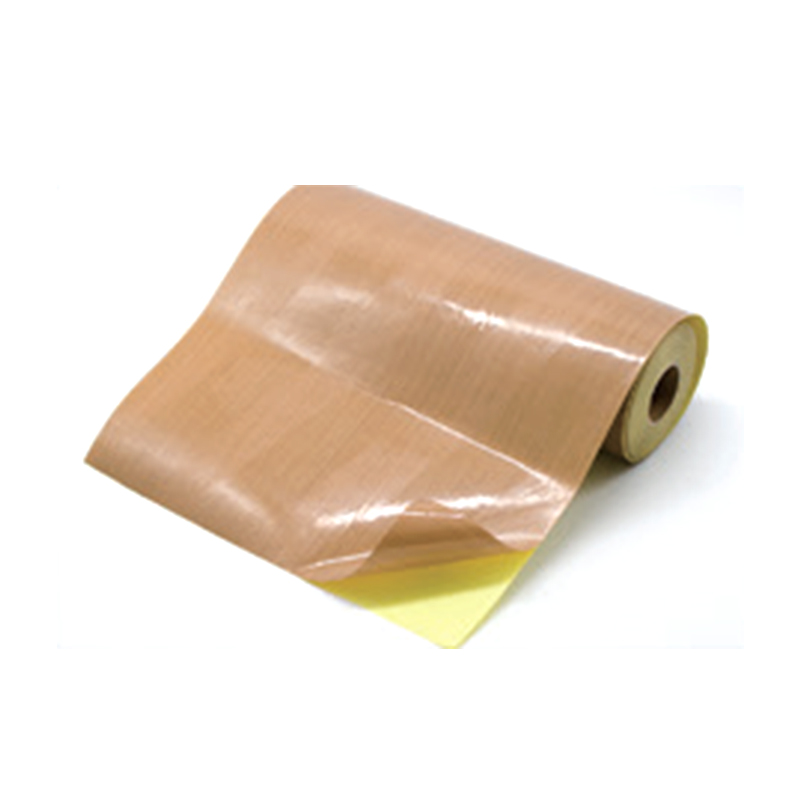
Teflon coated fiberglass fabric — more precisely described as PTFE (polytetrafluoroethylene) coated fiberglass fabric — is a high-performance composite material produced by impregnating or coating a woven fiberglass substrate with PTFE dispersion. The result is a flexible, dimensionally stable fabric that combines the mechanical strength and thermal resilience of fiberglass with the chemical inertness, non-stick surface, and low friction coefficient that define PTFE as an engineering polymer.
Teflon is a registered trade name of Chemours (formerly DuPont) for their PTFE product line. In industrial and commercial contexts, the terms "Teflon coated fiberglass," "PTFE fabrics," and "PTFE glass" are used interchangeably to describe this class of coated textile, regardless of whether the PTFE resin originates from Chemours or another manufacturer. Buyers should confirm the specific PTFE resin source and dispersion grade when procurement specifications reference "Teflon" by name, as formulation quality varies across suppliers.
The global market for PTFE-coated technical textiles is estimated to exceed USD 1.8 billion annually, driven by demand from food processing, packaging, aerospace, industrial filtration, and architectural membrane applications. Within this market, PTFE coated fiberglass represents the dominant product format due to its superior temperature resistance and dimensional stability compared to PTFE-coated woven polyester or aramid alternatives.
The Fiberglass Substrate: How Base Fabric Construction Affects Performance
The performance of any PTFE glass composite begins with the fiberglass substrate. The yarn type, weave structure, and fabric weight of the base cloth determine the mechanical properties — tensile strength, tear resistance, dimensional stability, and flex fatigue life — of the finished coated product. PTFE coating enhances surface properties but cannot compensate for a poorly chosen or constructed substrate.
Fiberglass Yarn Types
Two principal fiberglass yarn constructions are used in PTFE fabric substrates:
- E-glass (electrical grade): The standard fiberglass composition used in the majority of PTFE coated fiberglass fabrics. E-glass yarns offer a serviceable balance of tensile strength (approximately 3,450 MPa for single filaments), thermal stability up to 550°C, and cost. E-glass is suitable for the vast majority of industrial PTFE fabric applications.
- ECR-glass (corrosion resistant): A boron-free E-glass variant with improved resistance to acid and alkali attack. Specified for PTFE fabrics used in chemical processing environments where the substrate may be exposed to aggressive media through fabric edge cuts or damaged coating zones.
Weave Structures
The weave pattern of the base fabric governs the balance between mechanical strength, porosity, and surface smoothness of the finished PTFE fabrics:
- Plain weave: Each warp yarn passes alternately over and under each weft yarn, producing a balanced, stable fabric with equal strength in both directions. Plain weave substrates are the most common base for general-purpose PTFE coated fiberglass, offering good coating penetration due to the open weave structure.
- Twill weave: Warp yarns pass over two or more weft yarns in a diagonal progression. Twill weaves produce a smoother surface than plain weave at equivalent yarn counts, improving PTFE coating uniformity and reducing the tendency for coating to bridge yarn interstices rather than penetrate the fabric body.
- Satin weave: Long yarn floats across multiple interlacing points produce the smoothest substrate surface of any woven construction. Satin weave fiberglass is specified for PTFE fabrics where maximum surface smoothness is critical — conveyor belting in food contact applications and release liners for composite manufacturing, for example.
- Leno weave: Adjacent warp yarns twist around weft yarns to produce an open, mesh-like structure with high porosity. Leno weave substrates are used for open-mesh PTFE fabrics in air and liquid filtration applications where flow-through permeability is the primary design requirement.
Base Fabric Weight
Fiberglass base fabric weight — expressed in grams per square metre (gsm) — directly determines the weight and thickness of the finished coated product. Standard substrate weights used in PTFE coated fiberglass production range from 100 gsm (lightweight mesh fabrics) to 800 gsm (heavy industrial grades). Heavier substrates provide higher tensile and tear strength but reduce fabric flexibility and increase the difficulty of achieving full PTFE penetration through the fabric cross-section during coating.
PTFE Coating Specification: Parameters That Define Product Grade
The PTFE coating specification is the most technically consequential set of parameters in any PTFE coated fiberglass product definition. Two fabrics built on identical substrates can deliver dramatically different service life and functional performance depending on coating weight, sintering quality, and surface finish. Buyers and specifiers who evaluate PTFE fabrics on substrate weight and price alone — without examining coating specifications — frequently experience premature product failure in demanding applications.
Coating Weight and PTFE Content
PTFE coating weight is typically expressed as the mass of PTFE deposited per square metre of finished fabric, or as the percentage of total finished fabric weight attributable to the PTFE coating. Most commercial PTFE fabrics carry between 40% and 65% PTFE by weight, depending on the application. Higher PTFE content improves chemical resistance, non-stick performance, and surface smoothness at the cost of increased material cost and, at very high coating weights, reduced fabric flexibility.
The number of coating passes used to build up the PTFE layer is as important as total coating weight. Multiple thin coating passes — each followed by drying and sintering — produce better penetration of PTFE dispersion into the yarn interstices of the substrate and a more uniform coating cross-section than a single heavy coating application. Premium-grade PTFE coated fiberglass fabrics are typically produced with five to twelve coating and sintering passes; budget-grade products often use two to four passes, resulting in a coating that sits primarily on the fabric surface rather than being fully integrated with the substrate.
Sintering Temperature and Duration
Sintering is the thermal process by which PTFE dispersion particles — which are deposited on the fabric as an aqueous colloidal suspension — are fused into a continuous, coherent polymer matrix by heating above the PTFE crystalline melting point of 327°C. Adequate sintering is essential for coating integrity; under-sintered PTFE remains as a powdery, weakly bonded deposit that abrades readily and offers poor chemical barrier properties.
Industrial PTFE coating lines sinter at temperatures between 360°C and 400°C for residence times calibrated to the coating weight and fabric speed. A complete PTFE coating specification for a finished fabric should include the sintering temperature range used in production — a parameter that can be requested from suppliers as part of the manufacturing process qualification documentation, particularly for aerospace, food contact, or safety-critical applications.
Surface Finish Classifications
The surface texture of a finished PTFE coated fiberglass fabric is defined by the smoothness of the final coating layer and the underlying weave pattern visible through it. Three practical surface finish categories are recognised in industrial procurement:
- Standard (textured) finish: The weave pattern of the base fabric is visible through the coating. Adequate for most conveyor belt, gasketing, and expansion joint applications where non-stick performance and temperature resistance are the primary requirements.
- Smooth finish: Additional coating passes or calendering (compression between heated rolls) produces a surface where the weave texture is substantially suppressed. Specified for food contact release applications, heat sealing belts, and applications where product adhesion to fabric surface texture would compromise process quality.
- Embossed or structured finish: The coating surface is intentionally textured during production to increase air permeability or reduce surface contact area. Used in specific drying belt and screen printing applications.
Key PTFE Coating Performance Parameters
| Parameter | Typical Range | Test Method |
|---|---|---|
| Continuous operating temperature | –70°C to +260°C | ASTM E1640 / manufacturer oven test |
| Peak intermittent temperature | Up to +315°C | Manufacturer specification |
| Coefficient of friction (static) | 0.05 – 0.20 | ASTM D1894 |
| Dielectric strength | 20 – 60 kV/mm | ASTM D149 |
| Tensile strength (warp) | 500 – 4,000 N/5 cm | ASTM D1682 / ISO 13934-1 |
| Chemical resistance | Resistant to virtually all acids, bases, solvents | ASTM D543 |
PTFE Fabric Grades and Their Application Domains
PTFE fabrics are produced across a wide range of grades differentiated by substrate weight, coating weight, surface finish, and additional treatments. Matching the correct grade to the application prevents both over-specification — which adds unnecessary cost — and under-specification — which results in premature failure.
Conveyor Belting Grades
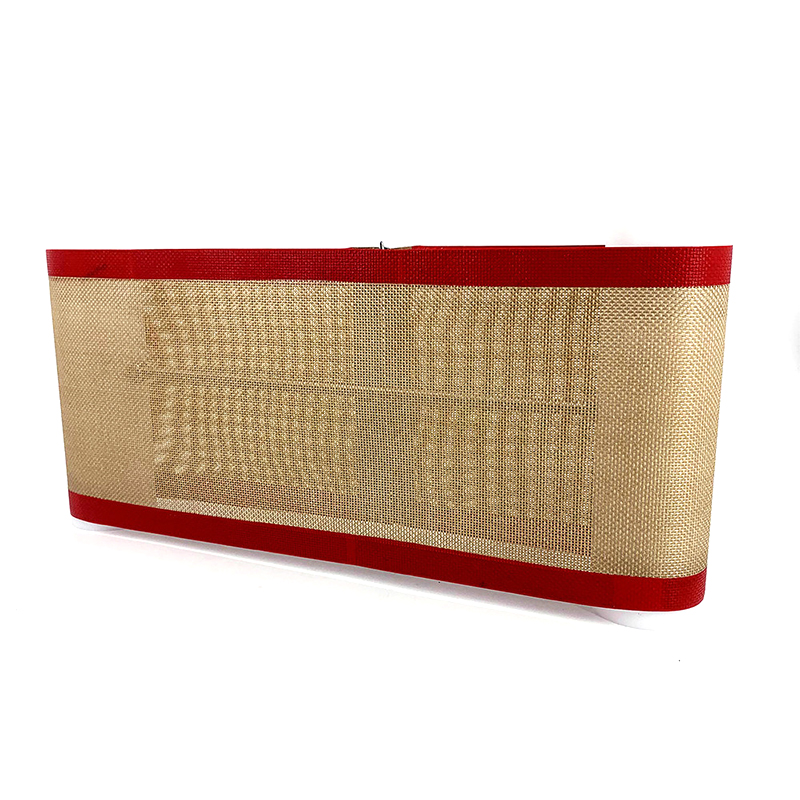
PTFE coated fiberglass conveyor belts are among the most demanding applications for this material class, combining continuous mechanical flexing, elevated temperatures, and chemical exposure from food products, adhesives, or process chemicals. Conveyor belt grades typically use heavier substrates — 400 to 800 gsm base fabric — with high PTFE coating weights and smooth or calendered surface finishes. Flex fatigue resistance is tested by the MIT folding endurance method or equivalent dynamic flexing protocols; premium conveyor grades achieve 50,000 or more double-fold cycles without coating delamination.
Release Liner and Heat Sealing Grades
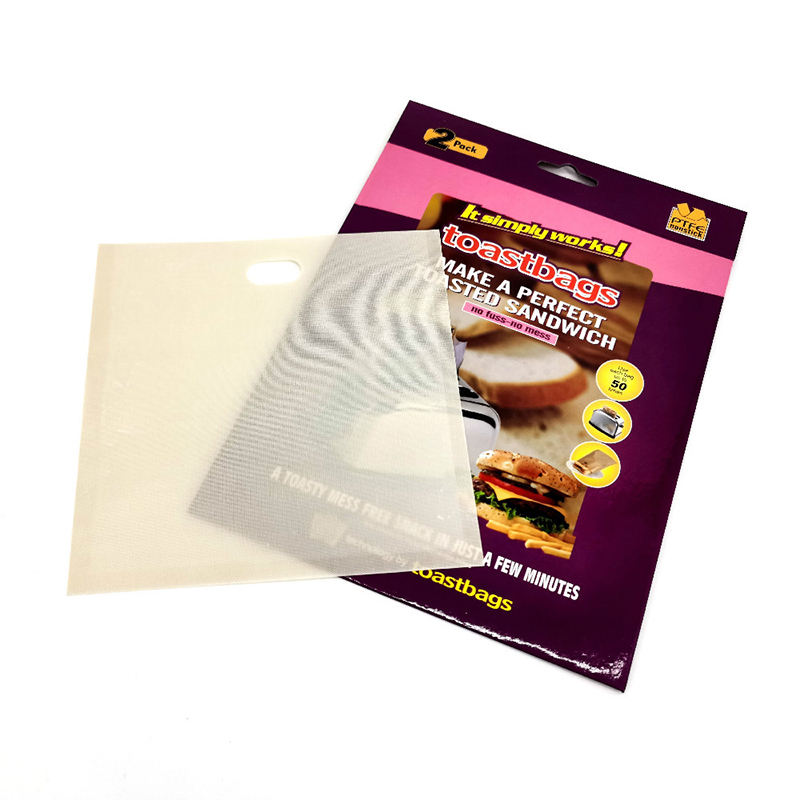
Used as non-stick release surfaces in composite manufacturing, food processing, and impulse heat sealing machines, release liner grades prioritise surface smoothness and non-contamination over high mechanical strength. These grades typically use lighter substrates with high-quality PTFE dispersions and smooth-finish final coatings, and must meet food contact regulations — including EU Regulation 10/2011 for plastic materials in contact with food or FDA 21 CFR 177.1550 for PTFE in food contact applications — where direct food contact occurs.
Expansion Joint and Gasket Grades
Industrial expansion joints and flange gaskets fabricated from PTFE coated fiberglass require high chemical resistance and dimensional stability under compressive load over long service periods. These grades often incorporate heavier fiberglass constructions — sometimes multiple fabric plies — with PTFE coating on one or both faces. The PTFE surface provides chemical barrier properties while the fiberglass substrate provides the structural reinforcement that prevents extrusion under pipe flange bolt load.
Electrical Insulation Grades
PTFE glass laminates for printed circuit board substrates (most commonly PTFE-impregnated woven fiberglass for high-frequency RF applications) and flexible electrical insulation tapes require tightly controlled dielectric properties. Dielectric constant (Dk) values for PTFE glass composites typically fall in the range of 2.1 to 2.8 at 10 GHz, compared to 4.5 for standard FR4 epoxy fiberglass — the low Dk and low dissipation factor of PTFE glass making it the preferred substrate for high-frequency microwave and millimetre-wave circuit applications.
Vermiculite Coated Fiberglass Fabric: Manufacturing Process and Performance Characteristics
Vermiculite coated fiberglass fabric is a functionally distinct product from PTFE coated fiberglass, though the two are frequently specified together in high-temperature industrial insulation and fire protection applications. Understanding the manufacturing process and the resulting performance profile of vermiculite coated fabric clarifies where each material is the correct choice — and where the two products can complement each other in layered insulation system designs.
What Vermiculite Is and Why It Is Used as a Coating
Vermiculite is a naturally occurring hydrated magnesium iron aluminium silicate mineral that undergoes a dramatic exfoliation — expansion by 8 to 30 times its original volume — when heated rapidly above approximately 300°C. This thermal exfoliation behaviour, combined with vermiculite's inherent fire resistance, low thermal conductivity (approximately 0.06 W/m·K for exfoliated material), and chemical inertness, makes it an effective coating material for fiberglass fabrics intended for high-temperature insulation and passive fire protection applications.
Vermiculite coated fiberglass fabrics are used in welding blankets, removable pipe insulation jackets, furnace door curtains, heat shields, and fire-resistant wraps for cables, pipes, and structural steelwork. Their key advantage over uncoated fiberglass fabrics in these applications is the vermiculite coating's ability to resist direct flame impingement, radiant heat, and molten metal splash — conditions that would rapidly degrade uncoated or PTFE-coated fiberglass.
The Vermiculite Coated Fiberglass Fabric Manufacturing Process
The vermiculite coated fiberglass fabric manufacturing process involves several sequential stages, each requiring careful process control to achieve consistent coating adhesion, coverage uniformity, and finished fabric flexibility:
- Substrate preparation: The woven fiberglass base fabric — typically a heavy plain or twill weave in the 400–800 gsm range — is heat-cleaned to remove the sizing compound

Message Us Right Now!

- Phone: +86-18651171105
- Fax: +86-18651171105
- Email: yaxing@yaxing.com
- Address: No. 18, Yongxin East Road, Gaogang District, Taizhou City, Jiangsu Province, China.
Copyright © Yaxing Plastic Industry Co., Ltd. All Rights Reserved. Custom High-End Precision PTFE Series Products Manufacturers 