

 English
 Español
 русский
PTFE Film vs. FEP and PFA: A Technical Comparison of High-Performance Fluoropolymer Films
In the realm of high-performance plastics, fluoropolymer films are prized for their ability to withstand environments that would destroy standard polymers. Among these, PTFE (Polytetrafluoroethylene) film is the industry benchmark. However, selecting the right material for specific industrial applications often requires a deep dive into the technical nuances between PTFE and its cousins, FEP (Fluorinated Ethylene Propylene) and PFA (Perfluoroalkoxy).
While all three materials belong to the same family and share a primary carbon-fluorine backbone, their molecular structures lead to distinct differences in thermal stability, optical clarity, and mechanical flexibility. For a manufacturing facility or an export procurement office, understanding these differences is critical for ensuring component longevity and cost-efficiency.
Content
Molecular Architecture and Its Impact on Performance
The primary distinction between these films lies in their “processability.” PTFE is a true high-molecular-weight polymer that does not melt like traditional plastics. When heated, it does not flow; instead, it transitions into a gel-like state. This is why PTFE film is typically produced through a skiving process, where a large cylindrical block (billet) is shaved into thin, continuous sheets.
In contrast, FEP and PFA are “melt-processable.” By introducing comonomers into the polymer chain, chemists created fluoropolymers that can be extruded or heat-sealed. This structural difference impacts the film’s physical properties:
- PTFE: Offers the highest continuous service temperature (260°C) and the lowest coefficient of friction.
- FEP: Known for superior optical clarity and the ability to be heat-sealed to other surfaces, though its temperature limit is lower (200°C).
- PFA: Combines the melt-processability of FEP with the high-temperature resistance of PTFE, making it the premium choice for the most demanding chemical environments.
Thermal and Chemical Resistance Profiles
Temperature resistance is often the first criterion for selection. PTFE film maintains its mechanical integrity and electrical properties in a massive range, from cryogenic levels (-200°C) up to 260°C. Above this point, the material begins to lose its crystalline structure, though it does not fully decompose until it nears 400°C.
Chemical resistance across all three films is nearly universal. They are inert to almost all industrial chemicals, solvents, and corrosive agents. However, at elevated temperatures, PFA often exhibits better stress-crack resistance and lower permeability than PTFE. This makes PFA film preferable in the semiconductor industry, where ultra-pure fluid handling is required.
| Property | PTFE Film | FEP Film | PFA Film |
|---|---|---|---|
| Max Service Temp | 260°C | 205°C | 260°C |
| Melting Point | 327°C | 260°C | 305°C |
| Chemical Resistance | Excellent | Excellent | Excellent |
| Dielectric Constant | 2.1 | 2.1 | 2.1 |
| Coefficient of Friction | 0.05 - 0.10 | 0.08 - 0.20 | 0.10 - 0.20 |
| Optical Clarity | Opaque/Milky | Transparent | Transparent/Translucent |
| Processability | Skived/Sintered | Melt-Extruded | Melt-Extruded |
Electrical Insulation and Dielectric Integrity
For the electronics and aerospace sectors, the dielectric properties of PTFE film are its most valuable asset. It possesses the lowest dielectric constant of any solid polymer, which remains remarkably stable across a wide range of frequencies and temperatures. This makes it the ideal material for high-frequency signal transmission and cable insulation.
In applications like 5G infrastructure or satellite communication, signal loss (dissipation factor) must be minimized. PTFE film excels here, outperforming even high-end polyimides. While FEP and PFA offer similar dielectric constants, PTFE’s higher thermal threshold allows it to be used in closer proximity to high-heat components without risking insulation breakdown.
Mechanical Properties: Skived vs. Expanded PTFE
Beyond standard skived PTFE film, many industrial users require Expanded PTFE (ePTFE). This version is created by rapidly stretching the film under specific conditions, creating a microporous structure.
While skived PTFE is dense and impermeable, ePTFE is breathable yet waterproof. In mechanical sealing applications, skived film is prone to “cold flow” (deformation under load). Expanded PTFE, however, has a multi-directional fibrous structure that significantly reduces creep and relaxation, making it a superior gasket material for uneven or fragile flanges.
Non-Stick Surface and Friction Control
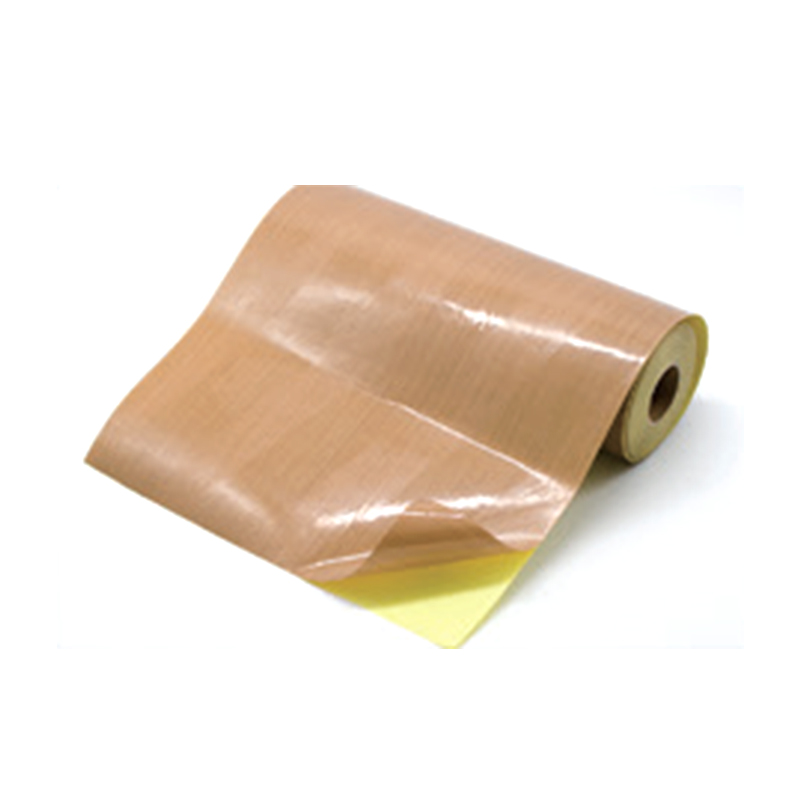
The low surface energy of PTFE is what provides its famous non-stick characteristics. In manufacturing environments, PTFE film is used as a release liner for composite molding and heat-sealing equipment. Because substances cannot easily bond to the fluorine-saturated surface, the film ensures that molded parts can be removed without damage and that packaging machinery remains free of adhesive buildup.
In tribological systems (parts involving sliding motion), PTFE film acts as a dry lubricant. Unlike oils or greases, PTFE does not evaporate or carbonize at high temperatures, ensuring a consistent low-friction surface for bearings, bushings, and wear strips.
Comparison of Industrial Applications
Choosing between these films often comes down to the specific geometry and environmental stressors of the application:
- Aerospace Wiring: PTFE is the standard due to its weight-to-performance ratio and flame resistance.
- Chemical Tank Linings: PFA is often chosen because it can be welded, creating a seamless, leak-proof barrier.
- Solar Cell Encapsulation: FEP is preferred for its high light transmission and UV stability.
- Medical Implants: ePTFE is used because its porous structure allows for tissue ingrowth and biocompatibility.
FAQ
1. Can PTFE film be bonded to other materials?
Standard PTFE film is naturally anti-adhesive. To bond it to another surface, one side of the film must undergo a “sodium etching” process. This treatment strips away fluorine atoms from the surface, allowing industrial adhesives to create a strong bond.
2. What is the difference between Virgin and Mechanical Grade PTFE film?
Virgin PTFE is made from 100% pure resin and is required for medical, food, and high-end electrical applications. Mechanical grade may contain recycled material and is suitable for general-purpose gaskets or wear strips where purity is less critical.
3. Why is PTFE film opaque while FEP is clear?
PTFE is highly crystalline, which scatters light and results in a milky white or opaque appearance. FEP and PFA have a different crystalline structure that allows light to pass through more easily, resulting in high transparency.
4. Does PTFE film degrade under UV exposure?
No. One of the primary advantages of fluoropolymers is their total resistance to UV radiation. PTFE film will not become brittle, yellow, or lose mechanical strength when exposed to outdoor environments for decades.
5. Is PTFE film safe for food contact?
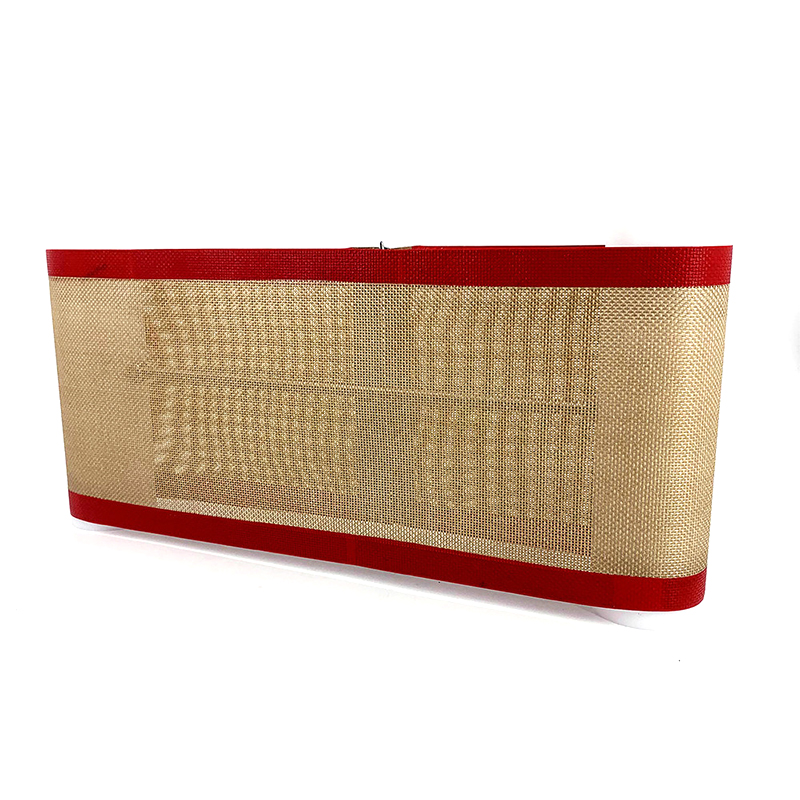
Yes, virgin PTFE film is chemically inert and non-toxic. It is FDA-compliant and widely used in food processing belts and non-stick surfaces for industrial baking.
References
- Handbook of Fluoropolymer Science and Technology, edited by Dennis W. Smith Jr.
- Fluoroplastics, Volume 1: Non-Melt Processible Fluoroplastics, by Sina Ebnesajjad.
- ISO 13000-1: Plastics — Polytetrafluoroethylene (PTFE) semi-finished products.
- ASTM D3308 - Standard Specification for PTFE Resin Skived Tape.
- Journal of Applied Polymer Science: Thermal and Mechanical Analysis of Fluoropolymers.
Message Us Right Now!

- Phone: +86-18651171105
- Fax: +86-18651171105
- Email: yaxing@yaxing.com
- Address: No. 18, Yongxin East Road, Gaogang District, Taizhou City, Jiangsu Province, China.
Copyright © Yaxing Plastic Industry Co., Ltd. All Rights Reserved. Custom High-End Precision PTFE Series Products Manufacturers 