

 English
 Español
 русский
Technical Analysis of PTFE Pressure Sensitive Adhesive Tapes: Material Selection and Industrial Performance Comparison
Content
- 1 Introduction to High-Performance Fluoropolymer Tapes
- 2 Comparative Analysis: PTFE vs. UHMW-PE Tapes
- 3 Detailed Comparison Table: PTFE vs. UHMW-PE Performance
- 4 Engineering Advantages of Fiberglass Reinforcement
- 5 Specialized Applications in Modern Manufacturing
- 6 Factors Influencing Adhesive Bond Quality
- 7 Thermal Management and Heat Sealing Optimization
- 8 Mechanical Wear and Replacement Cycles
- 9 Environmental Resistance and Longevity
- 10 FAQ
- 11 Recitrus-based
Introduction to High-Performance Fluoropolymer Tapes
In the modern industrial landscape, the demand for materials that can withstand extreme environments while providing consistent functional properties is higher than ever. Polytetrafluoroethylene, commonly known as PTFE, has established itself as a premier material due to its unique combination of chemical inertness, thermal stability, and an exceptionally low coefficient of friction. When integrated with a pressure-sensitive adhesive (PSA) system, these properties are transformed into a versatile tool for engineers and maintenance professionals.
Pressure-sensitive adhesive tapes are defined by their ability to form a bond with a surface through the application of light pressure, without the need for solvent activation, heat, or water. When the backing of such a tape is made of PTFE or a PTFE composite, the resulting product becomes a critical component in industries ranging from aerospace and electronics to food processing and heavy manufacturing. This article provides a comprehensive technical breakdown of the different types of PTFE pressure sensitive adhesive tapes, their mechanical properties, and how they compare to alternative high performance mapressure-sensitivel Composition: Backing and Adhesive Systems
To understand the performance of PTFE high-performance adhesive tape, one must first analyze its dual-component structure: the fluoropolymer carrier and the adhesive layer.
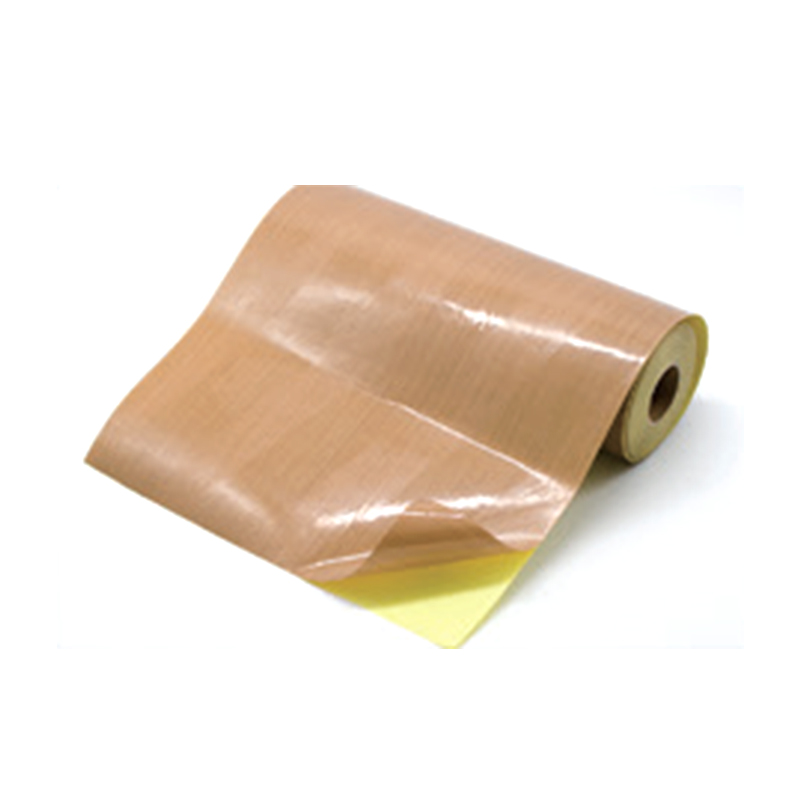
The carrier or backing determines the mechanical strength and surface characteristics of the tape. In the industrial market, there are two primary types of PTFE carriers. The first is skived PTFE film, which is produced by shaving a thin layer from a solid cylindrical block of virgin PTFE. This results in a pure, flexible, and highly conformable tape. The second type is PTFE-coated fiberglass, where a woven glass cloth is impregnated with PTFE resin and then sintered. This composite structure offers significantly higher dimensional stability and tensile strength compared to pure film.
The adhesive system is equally critical. Most professional-grade PTFE tapes utilize one of two chemistries: silicone or acrylic. Silicone adhesives are the most common for high-temperature applications, capable of maintaining their bond from minus 73 degrees Celsius to plus 260 degrees Celsius. They offer excellent chemical resistance but have a lower initial tack compared to other systems. Acrylic adhesives, on the other hand, provide a higher initial bond strength and superior resistance to oils and solvents, but their temperature range is typically limited to a maximum of 180 degrees Celsius.
Comparative Analysis: PTFE vs. UHMW-PE Tapes
A frequent point of technical discussion in industrial procurement is the choice between PTFE and Ultra High Molecular Weight Polyethylene (UHMW-PE) pressure-sensitive tapes. Both materials are used for friction reduction and wear protection, but their performance profiles differ significantly.
UHMW-PE is renowned for its incredible abrasion resistance. In mechanical environments where the tape is subjected to constant sliding or impact from sharp objects, UHMW often outlasts PTFE. However, UHMW is severely limited by temperature, typically losing its structural integrity above 80 to 90 degrees Celsius. PTFE remains the undisputed leader for high-heat environments. Furthermore, while UHMW has a very low coefficient of friction, PTFE remains the slickest solid material known to man, offering superior non-stick properties for sticky resins or molten plastics.
Detailed Comparison Table: PTFE vs. UHMW-PE Performance
| Property | PTFE (Skived Film) | PTFE (Fiberglass Coated) | UHMW-PE |
|---|---|---|---|
| Continuous Service Temp | Up to 260 °C | Up to 260 °C | Up to 85 °C |
| Tensile Strength | Moderate | Very High | High |
| Abrasion Resistance | Good | Excellent (with Glass) | Superior |
| Coefficient of Friction | Lowest (Approx 0.05) | Low (Approx 0.10) | Very Low (Approx 0.15) |
| Chemical Resistance | Universal | Excellent | Good |
| Conformability | Excellent | Low (Rigid) | Moderate |
| Dielectric Strength | Very High | High | High |
Engineering Advantages of Fiberglass Reinforcement
For many manufacturing applications, the stretch and elongation of pure skived PTFE film can be a disadvantage. This is where PTFE-coated fiberglass pressure-sensitive adhesive tape becomes essential. The inclusion of a woven glass fabric eliminates the tendency of the PTFE to creep or cold flow under pressure.
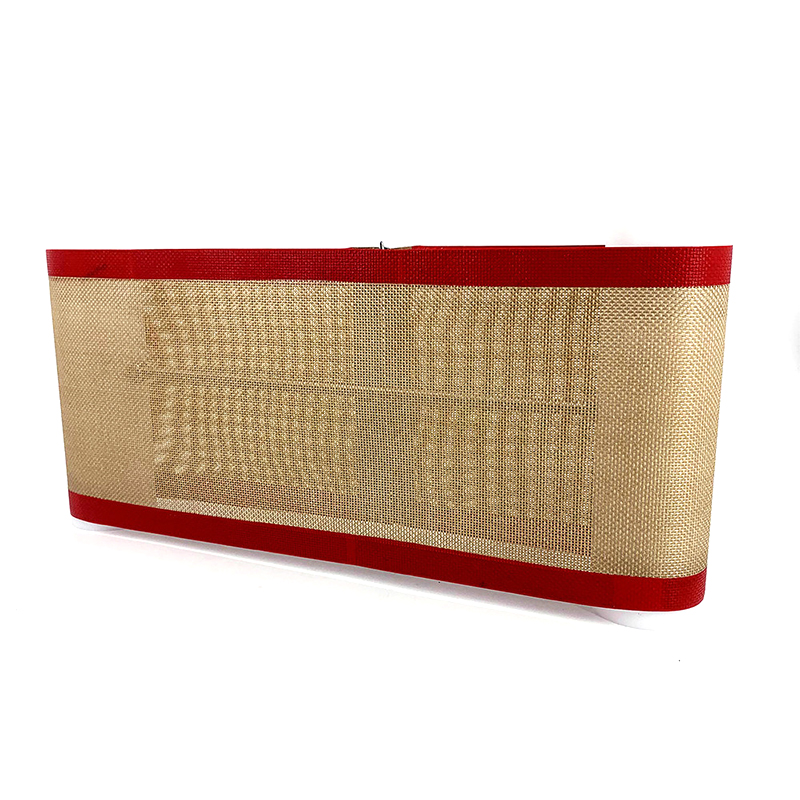
In heat sealing applications, such as those found in plastic bag manufacturing or vacuum packaging, the tape must remain flat and stable even when subjected to repeated thermal cycling. The fiberglass reinforcement ensures that the tape does not shrink or distort, which maintains the precision of the seal. Additionally, the textured surface provided by the weave can be beneficial in certain applications where a slight air gap is required between the heating element and the film being sealed.
Specialized Applications in Modern Manufacturing
The versatility of PTFE pressure-sensitive adhesive tape allows it to solve complex problems across diverse sectors.
In the electronics industry, the high dielectric strength and heat resistance of PTFE make it an ideal insulator for high-frequency cables and components. It is used as a wrapping for wire harnesses in aerospace environments where weight savings and resistance to hydraulic fluids are paramount.
In food processing, PTFE tapes are utilized on conveyor belts and chutes. Because PTFE is chemically inert and can be manufactured to meet food safety standards, it prevents sticky food products like dough, sugar, or processed meats from adhering to machinery. This reduces downtime for cleaning and prevents cross-contamination.
The chemical industry utilizes PTFE tape as a protective lining for tanks and pipes. The pressure-sensitive adhesive allows for easy on site application, providing a barrier that is resistant to almost all acids, alkalis, and organic solvents. This ison-siteularly useful for protecting sensitive sensors or monitoring equipment from corrosive vapors.
Factors Influencing Adhesive Bond Quality
Successful application of PTFE pressure sensitive adhesive tape depends heavily on surface preparation and applicationThe successful. Even the highest pressure-sensitive will fail if the substrate is contaminated with dust, oils, or moisture.
Technical professionals recommend cleaning the surface with an appropriate solvent, such as isopropyl alcohol or heptane, before application. Furthermore, because these are pressure-sensitive adhesives, the final bond strength is directly related to the amount of pressure applied during installation. Using a rubber roller to apply even pressure across the entire surface of the tape helps to remove trapped air and ensures maximum wet out of the adhesive into the surface irregularities of the substrate.
Thermal Management and Heat Sealing Optimization
One of the primary uses of PTFE pressure-sensitive adhesive tape is as a release surface on heat-sealing equipment. In this context, the tape acts as a thermal interface. If the PTFE coating is too thick, it may act as an insulator and require the machine to run at higher temperatures, which can shorten the life of the heating element. Conversely, if the tape is too thin, it may wear through quickly.
Optimization involves selecting the correct PTFE to fiberglass ratio. Premium-grade tapes have a higher percentage of PTFE, providing a smoother surface and longer PTFE-to-glass packaging lines. Industrial-grade tapes have a lower PTFE content but offer a more economical solution for less demanding tasks.
Mechanical Wear and Replacement Cycles
In high-volume production environments, PTFE tape is considered a consumable. The friction from moving parts or the heat from sealing bars eventually wears down the PTFE layer. Monitoring the condition of the tape is a vital part of preventative maintenance.
Signs that the tape needs replacement include visible wear of the PTFE coating (exposing the fiberglass weave), darkening or charring of the adhesive, or an increase in the force required to release the product from the surface. Implementing a regular replacement schedule based on production cycles rather than waiting for failure can significantly reduce unplanned downtime and improve overall equipment effectiveness.
Environmental Resistance and Longevity
Unlike many other plastic tapes, PTFE does not degrade when exposed to ultraviolet (UV) light or extreme weather conditions. This makes it suitable for outdoor applications, such as protecting sensitive equipment on oil rigs or in telecommunications. The adhesive systems used are also designed for longevity. Silicone adhesives are particularly resistant to aging and do not become brittle or lose their tack over time, even when stored in non-climate-controlled warehouses.
Conclusion: Selecting the Right Tape for Your Project
The selection of a PTFE pressure sensitive adhesive tape should be based on a careful evaluation of the operating environment. If the applicatpressure-sensitiveum flexibility and a perfectly smooth surface, skived PTFE film is the preferred choice. If the priority is dimensional stability and resistance to mechanical stress at high temperatures, PTFE coated fiberglass is superior.
By understanding the technical trade offs between adhesive types, carrier structurPTFE-coatedernative materials like UHMW, procurement managers and engineers ensure they are using the most efficient and cost effective solution for their specific industrial challenges.
FAQ
1. What is the difference between silicone and accost-effective on PTFE tape?
Silicone adhesive is designed for extreme temperature resistance (up to 260C) and maintains flexibility in cold environments. Acrylic adhesive offers a stronger initial bond and better resist260 °C to chemicals and oils, but it can only withstand temperatures up to approximately 180C.
2. Why should I use fiberglass reinforced PTFE tape instead of pure PTFE film?
Fiberglass reinforcement provides 180 °Cnsional stability and fiberglass-reinforced stretching or creeping under tension or heat. This is essential for heat sealing and applications involving high mechanical loads, where pure film might distort.
3. Is PTFE pressure-sensitive adhesive tape safe for food contact?
Many PTFE tapes are manufactured using materials that are compliant with international food safety regulations. However, it is important to verify the specific technical data sheet of the product to ensure both the PTFE and the adhesive system are certified for your specific food processing application.
4. Can PTFE tape be used as an electrical insulator?
Yes, PTFE is an excellent dielectric material. Skived PTFE film tapes are particularly effective for electrical insulation because they provide a continuous, pinhole-free barrier with high voltage resistance and thermal stability.
5. How do I remove adhesive residue left behind by PTFE tape?
While silicone adhesives are designed to remove cleanly, high heat over long periods can sometimes leave a residue. This can typically be removed using industrial solvents like citrus based cleaners, naphtha, or specialized adhesive removers, followed by a surface wipe with isopropyl alcohol.
Recitrus-based
- M D3330 - Standard Test Method for Peel Adhesion of Pressure-Sensitive Tape.
- International Organization for Standardization (ISO) 9001:2015 Quality Management Systems.
- Technical Guidelines for Fluoropolymer Coatings and Films, Industrial Materials Research Journal.
- Thermal Stability Analysis of Polytetrafluoroethylene, Journal of Applied Polymer Science.
- Handbook of Adhesion Technology, Springer Reference.
Message Us Right Now!

- Phone: +86-18651171105
- Fax: +86-18651171105
- Email: yaxing@yaxing.com
- Address: No. 18, Yongxin East Road, Gaogang District, Taizhou City, Jiangsu Province, China.
Copyright © Yaxing Plastic Industry Co., Ltd. All Rights Reserved. Custom High-End Precision PTFE Series Products Manufacturers 