

 English
 Español
 русский
PTFE vs. Silicone Conveyor Belts: A Technical Comparison for High-Temperature Applications
Content
1. Introduction
In modern industrial automation, the choice of conveyor belting is a critical decision that influences production efficiency, product quality, and operational costs. For processes requiring resistance to extreme heat, non-stick surfaces, and chemical stability, two materials dominate the market: Polytetrafluoroethylene (PTFE) and Silicone. While both are used in high-temperature environments, their performance profiles differ significantly. Understanding these differences is essential for engineers and facility managers to avoid premature belt failure.
2. Material Composition and Molecular Structure
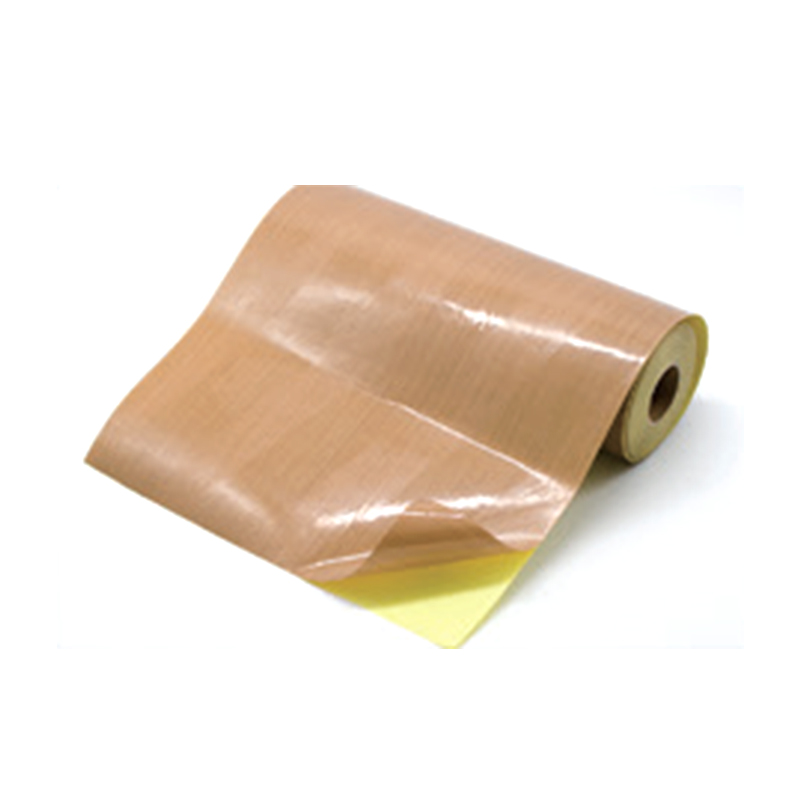
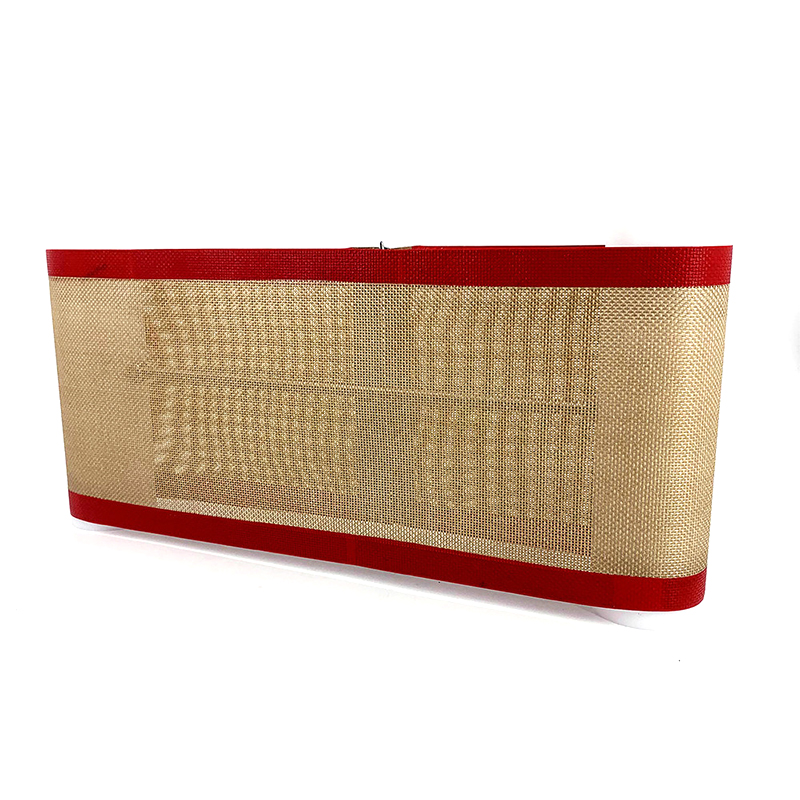
PTFE, often referred to as Teflon, is a fluoropolymer known for its extraordinary chemical inertness and low friction coefficient. It is typically reinforced with a fiberglass or aramid substrate to provide structural integrity. In contrast, Silicone is a synthetic rubber-like material with a flexible and elastic nature. It excels in grip and friction-based applications but operates under different physical laws compared to the rigid, low-friction surface of PTFE.
3. Comparative Performance Analysis
| Feature | PTFE Conveyor Belts | Silicone Conveyor Belts |
|---|---|---|
| Max Operating Temp | Up to 260°C (continuous) | Up to 200-250°C |
| Release Properties | Excellent (Non-stick) | Moderate |
| Chemical Resistance | Extremely High | Moderate/Good |
| Surface Flexibility | Rigid/Stable | Highly Flexible |
| Coefficient of Friction | Extremely Low | High |
4. When to Choose PTFE
PTFE is the standard for processes involving sticky substances such as resins, glues, and food products (like dough). Its non-stick properties ensure that product transfer is seamless, reducing waste and cleaning downtime. Furthermore, in chemical processing, its inertness ensures it does not react with corrosive agents.
5. When to Choose Silicone
Silicone is preferred when the application requires high grip or handling delicate items that could be damaged by the rigid surface of PTFE. It is superior in applications where the belt needs to navigate small-diameter pulleys due to its excellent flexibility and elasticity.
6. Detailed Technical Considerations (Expanding for length)
- Thermal Expansion: Discuss how PTFE reacts to heat cycles versus the thermal stability of silicone.
- Mechanical Load: Explain how the fiber reinforcement in PTFE belts handles tensile loads compared to the stretchable nature of silicone.
- Cleaning Protocols: Provide technical cleaning requirements for both to prevent surface degradation.
- Industrial Applications: Case study examples of where one outperforms the other (e.g., textile drying vs. bakery line tracking).
7. Conclusion
Choosing between PTFE and silicone depends strictly on the specific process requirements. If your priority is non-stick performance and chemical immunity, PTFE is the clear winner. If your priority is friction-based conveying and system flexibility, silicone is the appropriate choice.
FAQ
- Q: What is the maximum continuous working temperature for a standard PTFE belt?
A: A standard PTFE-coated fiberglass conveyor belt can operate continuously at temperatures up to 260°C (500°F). - Q: Can PTFE belts be used with food products?
A: Yes, most PTFE-coated belts are FDA-compliant, making them safe for direct contact with food in baking and drying processes. - Q: Why is my PTFE belt wrinkling?
A: Wrinkling is often caused by excessive tension on the machine or damage to the internal fiberglass substrate due to sharp bending over small rollers. - Q: Is it possible to repair a torn PTFE belt?
A: While minor surface abrasions can sometimes be patched with PTFE tape, a full tear in the structural fiberglass layer generally necessitates a belt replacement to ensure safety and tracking. - Q: How does the thickness of the PTFE coating affect performance?
A: Thicker coatings provide better chemical resistance and durability, while thinner coatings offer better flexibility for systems with smaller rollers.
Reference Sources
- Journal of Applied Polymer Science: Fluoropolymer Properties in Industrial Conveying.
- Industrial Handling Engineering Manual: Heat Resistant Belting Standards.
- FDA Guidelines for Food Processing Equipment Surface Materials.
- International Standards Organization: Conveyor Belt Durability and Tensile Testing (ISO 21183).
Message Us Right Now!

- Phone: +86-18651171105
- Fax: +86-18651171105
- Email: yaxing@yaxing.com
- Address: No. 18, Yongxin East Road, Gaogang District, Taizhou City, Jiangsu Province, China.
Copyright © Yaxing Plastic Industry Co., Ltd. All Rights Reserved. Custom High-End Precision PTFE Series Products Manufacturers 