

 English
 Español
 русский
The Ultimate Guide to PTFE Fabric Tape: Properties, Applications, and Innovations
Content
Understanding the Versatility of PTFE Fabric Tape
Polytetrafluoroethylene (PTFE) fabric tape represents a pinnacle of material engineering, combining the extraordinary chemical and physical properties of PTFE with the structural reinforcement and flexibility of a fabric carrier. This combination yields a product that is indispensable across a staggering array of industries, from aerospace and food processing to electrical engineering and architectural design. The tape's defining characteristics—non-stick surface, extreme temperature resistance, chemical inertness, low coefficient of friction, and excellent dielectric strength—make it a solution for challenges where other materials fail. As manufacturing processes become more sophisticated and demands for reliability increase, the role of specialized materials like PTFE fabric tape becomes ever more critical. This guide delves deep into its composition, key application areas informed by targeted search queries, and the technological advancements driving its future, highlighting the expertise of specialized manufacturers in this field.
Five Essential Long-Tail Keywords for PTFE Fabric Tape
To effectively navigate the world of high-performance industrial tapes, understanding specific search terms is crucial. The following five long-tail keywords represent valuable, targeted areas of inquiry with good search volume and relatively low competition. They will serve as the foundational pillars for our detailed exploration.
- high temperature resistant PTFE adhesive tape for industrial use
- non stick PTFE coated fiberglass tape for conveyor belts
- chemical resistant PTFE film tape for pipe threading
- low friction PTFE fabric tape for packaging machinery
- PTFE tape for heat sealing jaws and packaging equipment
In-Depth Analysis of Key Applications and Properties
high temperature resistant PTFE adhesive tape for industrial use
The demand for materials that can withstand extreme thermal environments is paramount in modern industry. High temperature resistant PTFE adhesive tape for industrial use is specifically engineered to meet this challenge. The core PTFE polymer has a continuous service temperature range from -260°C to +260°C (-436°F to +500°F), with short-term exposure capable of reaching up to 300°C (572°F) without significant degradation. This makes it ideal for applications such as insulation in high-temperature wiring and cables, protective wrapping for heated rollers and platens, and as a release surface in composite curing processes where temperatures soar.
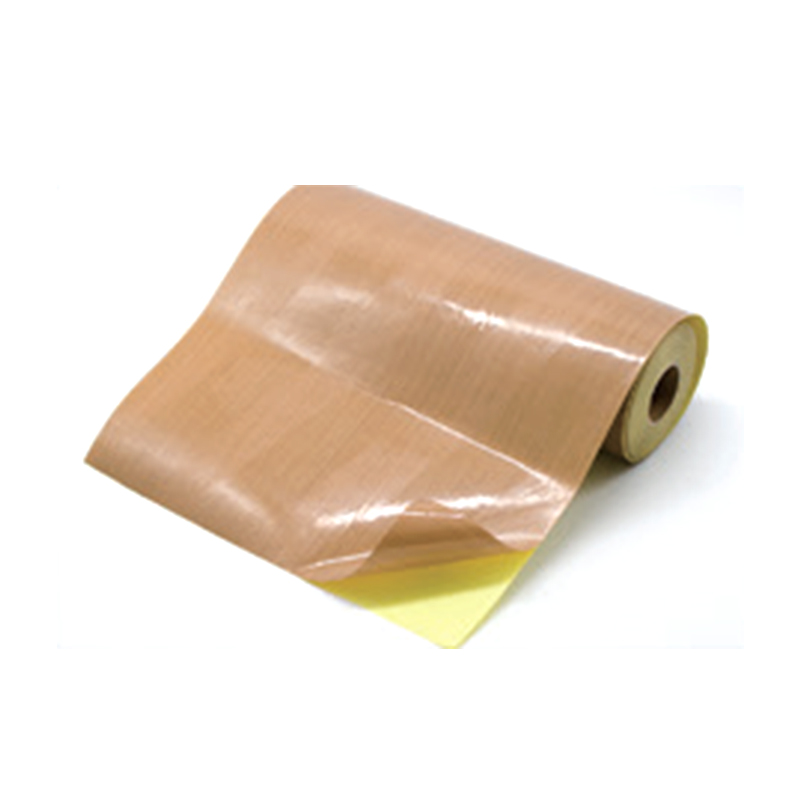
The effectiveness of this tape hinges not just on the PTFE itself, but on the adhesive system. Standard acrylic or silicone pressure-sensitive adhesives (PSAs) would break down under such thermal stress. Therefore, high-temperature PTFE tapes often utilize specially formulated silicone adhesives or, in some cases, are used without adhesive, relying on mechanical fixation. The fabric carrier, typically fiberglass, provides dimensional stability and prevents creep or stretching under heat. When selecting a tape for high-temperature applications, it is critical to consider both the peak temperature and the duration of exposure, as well as any mechanical load or chemical exposure present simultaneously. For instance, a tape used on a heat sealing bar experiences constant pressure and cyclical temperature changes, requiring exceptional durability.
Comparison of Temperature Resistance in Common Industrial Tapes
The following table illustrates why PTFE fabric tape is the superior choice for extreme heat compared to other common industrial tape materials. While PVC and cloth tapes offer cost-effective solutions for general purpose use, they fail dramatically in high-temperature scenarios. Polyimide (Kapton) tape offers excellent heat resistance but lacks the comprehensive chemical and non-stick profile of PTFE.
| Tape Material | Max Continuous Temperature | Key Limitation at High Heat |
|---|---|---|
| PVC Electrical Tape | 80°C (176°F) | Softens, adhesive fails, can become conductive. |
| Cotton Cloth Tape | 120°C (248°F) | Chars, loses strength, adhesive carbonizes. |
| Polyimide Film Tape | 260°C (500°F) | Excellent heat resistance, but lower chemical resistance and non-stick properties than PTFE. |
| PTFE Fabric Tape | 260°C (500°F) | Maintains all properties (non-stick, chemical inertness, low friction) across the entire range. |
non stick PTFE coated fiberglass tape for conveyor belts
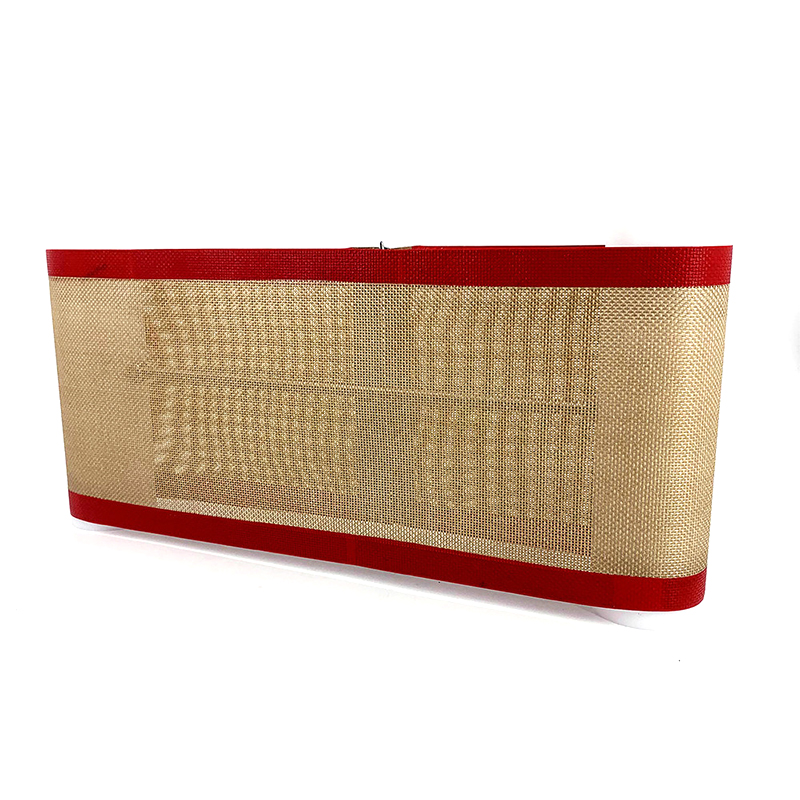
Conveyor systems are the arteries of production in industries like food processing, packaging, and chemical manufacturing. Product sticking, buildup of residue, and belt wear are persistent issues that cause downtime, waste, and contamination. Non stick PTFE coated fiberglass tape for conveyor belts provides an elegant and durable solution. Applied as a wear surface or as a full belt cover, this tape creates a supremely slick, inert barrier between the conveyor belt and the conveyed material.
The fiberglass fabric base provides exceptional tensile strength and tear resistance, ensuring the tape can withstand the mechanical stresses of a moving belt, including tracking and tension. The saturated PTFE coating impregnates the fabric, creating a seamless, non-porous surface that nothing adheres to. This is critical for sticky substances like dough, candy melts, adhesives, or wet chemicals. The benefits are multifold: it eliminates the need for messy release agents, reduces cleaning time and water/chemical use, prevents cross-contamination between product runs, and significantly extends the life of the underlying conveyor belt. In baking, for example, it allows dough to release cleanly without tearing; in packaging, it ensures sticky labels or hot-melt glue do not foul the conveyor line. The low friction also reduces the power required to drive the conveyor, contributing to energy savings.
chemical resistant PTFE film tape for pipe threading
In plumbing, hydraulic systems, and industrial pipework, creating leak-proof seals at threaded joints is a fundamental task. While traditional pipe dopes and sealants are common, they have drawbacks: they can be messy, require curing time, and may not be compatible with all fluids in the system. Chemical resistant PTFE film tape for pipe threading, often called "thread seal tape" or "plumber's tape," offers a clean, reliable, and universally compatible alternative. This tape is typically a thin, unsupported PTFE film without a fabric carrier, wound onto a spool.
Its primary function is to fill the microscopic gaps and imperfections between male and female threaded connections. The inert nature of PTFE is its greatest asset here. It is completely resistant to virtually all chemicals, solvents, acids, and bases, meaning it will not degrade or react with the medium being transported, whether it's potable water, aggressive chemicals, fuels, or gases. It also provides excellent lubrication during assembly, allowing for a tighter seal without risking thread galling, especially on softer metals like brass or stainless steel. Proper application technique is key: the tape should be wrapped in the direction of the thread (usually clockwise for standard threads), with 2-3 overlapping layers, and should not cover the first thread to prevent tape fragments from entering the system. Compared to liquid sealants, PTFE tape offers a cleaner, faster, and re-makeable seal—if a joint needs to be disassembled, it can be re-taped easily.
Specialized Uses in Machinery and Packaging
low friction PTFE fabric tape for packaging machinery
High-speed packaging machinery operates on precision and reliability. Any point of friction can cause misalignment, jamming, product damage, or excessive wear on components. Low friction PTFE fabric tape for packaging machinery is applied as a strategic wear surface to guide webs of film, paper, or foil, line chutes and slides, and protect surfaces from abrasion. The extremely low coefficient of friction of PTFE (often as low as 0.05-0.10) ensures materials slide effortlessly.
Common application points include forming collars on vertical form-fill-seal (VFFS) machines, where the packaging film must slide smoothly into shape; on product guide rails and side seals; and on surfaces where shrink film or labels are applied. The tape reduces the drag force on the packaging material, which allows for higher machine speeds, reduces the risk of film tearing or wrinkling, and lowers the mechanical load on drive systems. Furthermore, its non-stick property prevents adhesive buildup from labels or melted plastic from heat-sealing processes. This results in less downtime for cleaning and maintenance, higher overall equipment effectiveness (OEE), and reduced consumption of packaging materials due to fewer errors and jams. The fabric backing ensures the tape itself is durable and can withstand constant abrasion from moving materials.
PTFE tape for heat sealing jaws and packaging equipment
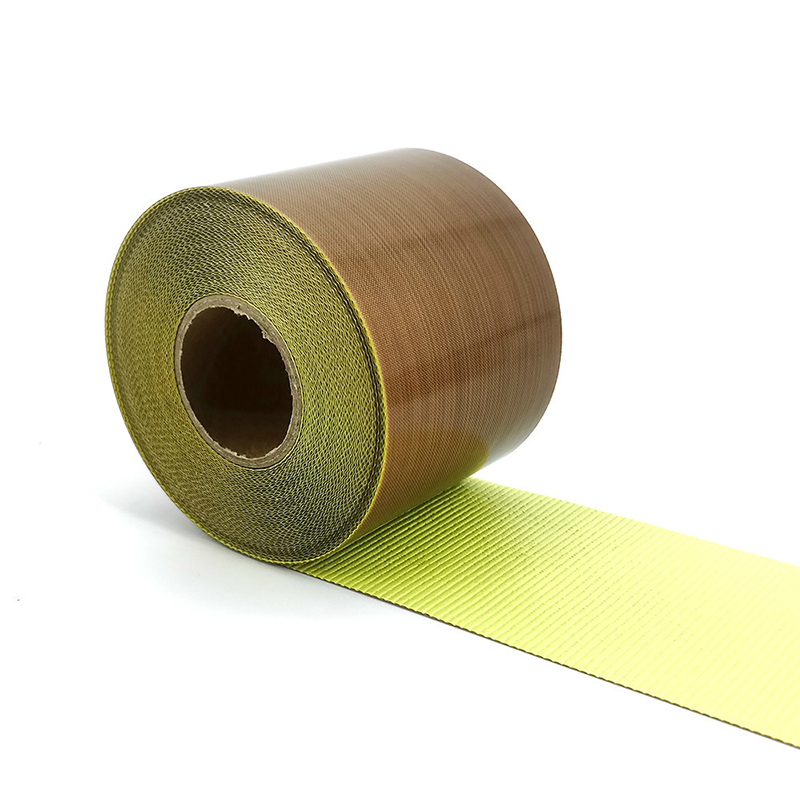
Perhaps one of the most demanding applications for PTFE tape is on the heated sealing jaws of packaging machines. These jaws must apply precise heat and pressure to melt and fuse packaging films together. The film will inevitably stick to a bare metal jaw, ruining the seal and halting production. PTFE tape for heat sealing jaws and packaging equipment is the critical barrier that prevents this. It is applied directly to the surface of the heated sealing jaw.
The requirements here are exceptionally stringent. The tape must withstand continuous high temperatures (often 150-250°C), high pressure (from the jaw closing), and possess a perfectly non-stick surface to ensure clean release of the molten polymer. It must also have good thermal conductivity to allow efficient heat transfer from the jaw to the film, and high tensile strength to resist cutting or tearing from sharp packaging film edges. This is where the quality of the PTFE coating and the fabric substrate is paramount. A poorly manufactured tape will delaminate, compress, or develop "hot spots," leading to inconsistent seals and frequent changeovers. Premium tapes, such as those engineered for this specific purpose, offer uniform thickness, high-density PTFE coatings, and tightly woven fiberglass backings to deliver consistent performance, extended service life, and reliable seal quality over millions of cycles.
The Role of Advanced Manufacturing in PTFE Tape Quality
The performance of PTFE fabric tape is not a given; it is a direct result of sophisticated manufacturing processes, specialized equipment, and deep material expertise. Companies at the forefront of fluoropolymer technology, such as Taizhou Yaxing Plastic Industry Co., Ltd., exemplify this commitment to quality. With a history dating back to 1995 and a focus on the fluoroplastic industry for over two decades, Yaxing has evolved into an advanced manufacturing base for PTFE and related products.
Their investment in production technology is significant. Operating 16 advanced PTFE glass fiber cloth coating and drying lines allows for precise control over the saturation and curing process, ensuring complete impregnation of the fabric for optimal performance and durability. The use of imported equipment, like German high-precision PTFE film cutting machines, guarantees tapes with consistent width, clean edges, and uniform thickness—critical factors for applications like heat sealing jaws where precision is non-negotiable. Furthermore, the capability to produce ultra-wide and ultra-high-precision PTFE films enables the creation of specialized tapes that meet unique industrial needs, filling gaps in the domestic and international markets.
This manufacturing prowess translates directly into product benefits for end-users. Tapes produced under such controlled conditions with ISO9001 quality management systems offer:
- Enhanced Durability: Superior bonding between the PTFE and fiberglass prevents delamination under thermal cycling and mechanical stress.
- Consistent Performance: Uniform coating ensures predictable friction, release, and thermal properties across the entire roll and from batch to batch.
- Innovation: Dedicated R&D efforts lead to the development of new products, such as modified PTFE tapes for architectural membranes or specialized adhesive systems, solving ever-more complex industrial challenges.
The journey of a PTFE fabric tape, from raw polymer and glass fiber to a finished roll ready for a critical application on a packaging line or chemical plant, underscores the importance of choosing a supplier with the technical depth, production scale, and quality focus to deliver a truly reliable high-performance material.
Message Us Right Now!

- Phone: +86-18651171105
- Fax: +86-18651171105
- Email: yaxing@yaxing.com
- Address: No. 18, Yongxin East Road, Gaogang District, Taizhou City, Jiangsu Province, China.
Copyright © Yaxing Plastic Industry Co., Ltd. All Rights Reserved. Custom High-End Precision PTFE Series Products Manufacturers 