

 English
 Español
 русский
Ditch the Parchment Paper for Good
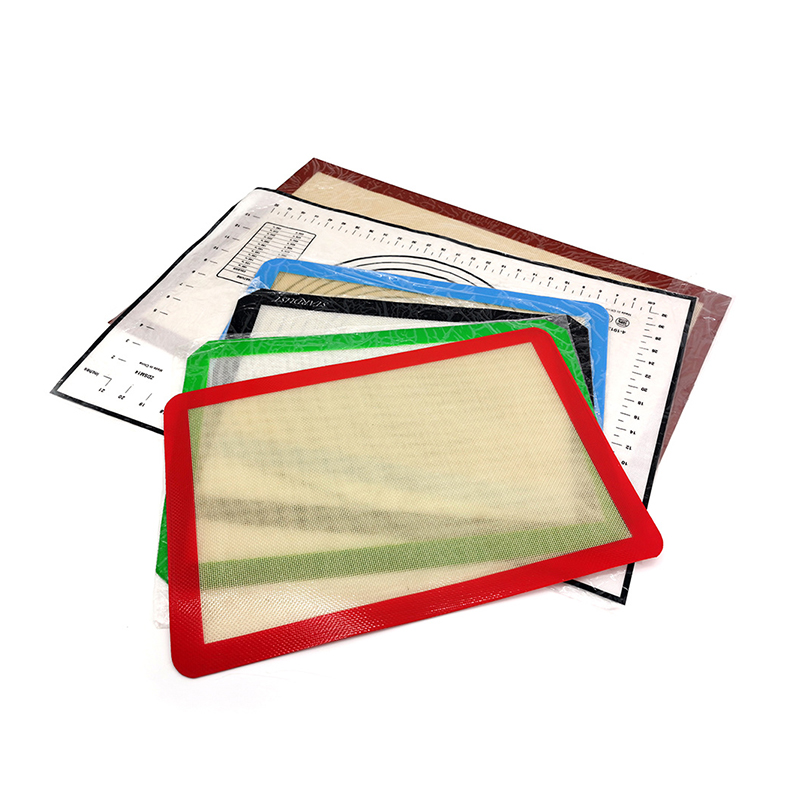
If you’ve been relying on parchment paper for your baking adventures — whether cookies, roasting vegetables, or pastry — it might be time for a better, reusable alternative. The silicone baking mat offers a dependable non-stick surface, saves money in the long run, and reduces waste. This article dives deep into why a silicone mat deserves a permanent spot in your kitchen, how to use and maintain it properly, and what to watch out for. Below, we explore several long-tail keywords that tie directly to common user queries and help you understand the full potential of silicone mats.
Content
Why Choose a Silicone Baking Mat Instead of Parchment
For many home bakers, parchment paper has long been the default for non-stick baking. However, using a silicone baking mat instead offers a host of advantages — from consistency and durability to eco-friendliness and cost efficiency. Over time, switching can streamline your baking process and deliver more predictable results.
- Long-term reuse: Unlike parchment paper, a silicone mat can be used dozens — even hundreds — of times, making it a far more sustainable and cost-effective choice.
- Even heat distribution: Silicone mats often distribute heat more evenly across their surface, reducing hot spots or patchy browning compared to parchment paper that may shift or wrinkle.
- Non-slip surface: A silicone mat adheres to the baking sheet, minimizing sliding or shifting during oven placement or when removing baked goods — which is especially useful for delicate pastries.
- Eco-friendly and less waste: By eliminating single-use parchment sheets, you reduce paper waste and the environmental impact of frequent disposables.
Comparing Silicone Mats and Parchment Paper
To make the benefits more tangible, here’s a direct comparison between a silicone baking mat and parchment paper. This gives a clearer view of performance, cost, and practicality.
| Silicone Baking Mat | Parchment Paper | |
| Reusability | Reusable dozens–hundreds of times | Single-use per batch |
| Heat distribution | Consistent, even heat conduction | Depends on sheet placement; may crease or lift |
| Non-stick performance | Excellent — minimal greasing needed | Good, but sometimes needs greasing or buttering |
| Waste & cost over time | Upfront cost, but lowers long-term expenses and waste | Low upfront cost per sheet, but recurring expense and waste |
| Convenience for cleanup | Easy wipe/handwash or dishwasher-safe (if allowed) | Disposable — toss after one use |
- If you bake regularly, the reusable nature of silicone mats can quickly offset the one-time cost.
- The consistent non-stick surface means fewer ruined pastries or cookies and less oil or butter required.
- For an eco-conscious kitchen, silicone mats dramatically reduce disposable waste over time.
Using Silicone Baking Mats for Cookies and Baking
One of the most common uses for the silicone baking mat is cookie baking — but its utility extends to roasting vegetables, baking breads, and more. If you’ve searched for “silicone baking mat for cookies and baking,” you’re likely curious how it performs compared with traditional methods. In practice, the mat often improves consistency, prevents sticking, and simplifies cleanup, making it a versatile tool in both everyday cooking and more elaborate baking sessions.
- Cookies & biscuits: Provides uniform browning and easy release, even with delicate edges. No need for extra butter or spray in many cases.
- Roasting vegetables: Helps distribute roast heat evenly, and prevents sticking for veggies with natural sugars (like carrots or squash), which tend to caramelize and stick.
- Breads & pastries: Great for flatbreads, focaccia, or even small loaves — offers stable heat conduction and non-stick backing.
- Batch cooking: When prepping multiple trays sequentially, silicone mats stay put while you swap pans — more stable than parchment that can slide or fold.
Cleaning and Maintaining Your Silicone Baking Mat
After frequent use, proper care becomes essential. Searching for “how to clean silicone baking mat” is smart: if you skip proper maintenance, residue and oils can build up — and that can affect non-stick performance and food safety. But with consistent cleaning routines and a few hygiene best practices, the silicone mat can last for years without degradation.
- Hand-washing with mild soap and warm water: The safest and most effective cleaning method. Avoid harsh scrubbing that can damage the surface.
- Removing stubborn residue: For baked-on grease or sugars, soak the mat for 10–15 minutes in warm soapy water before gently rubbing with a soft sponge or cloth.
- Dry thoroughly between uses: Ensure the mat is completely dry before storage — residual moisture can invite mold or mildew, especially if stored rolled.
- Deep cleaning occasionally: A paste of baking soda and water or a mild baking mat-safe cleaner can be used for occasional deep cleans to restore original non-stick quality.
Safe Temperature and Food Safety of Silicone Mats
Concerns about heat tolerance and safety are common when using a silicone baking mat. If you’ve wondered about “silicone baking mat high temperature use” or “silicone baking mat food safe material,” you’re asking the right questions. High-quality mats are designed to withstand typical baking and roasting temperatures found in home ovens — but using them correctly ensures food safety and mat longevity.
- Typical temperature range: Most silicone mats safely handle temperatures up to 450–500 °F (230–260 °C), covering nearly all common baking and roasting needs.
- Avoiding direct flame or broiler contact: Silicone mats are not intended for open flame or high-intensity broiler usage — doing so can damage the mat and pose safety hazards.
- Food-safe, non-toxic silicone: Good quality mats are made from food-grade silicone that doesn’t leach harmful chemicals, even at high temperatures; this makes them a safer choice than overly greased pans or questionable coatings.
- Even cooking results: The stable heat conduction of silicone ensures even cooking without hot spots or burning — ideal for delicate baked goods and roasted dishes.
FAQ
Is a silicone baking mat safe at high oven temperatures?
Yes — if you’re using a properly manufactured silicone baking mat, it is generally safe up to common home-oven temperatures (typically around 450–500 °F / 230–260 °C). These mats are specifically designed to withstand repeated heating cycles without degrading or releasing harmful compounds. That said, avoid placing them directly under an open flame or broiler, because the intense, localized heat can exceed the silicone’s tolerance and damage the mat (or even pose a fire hazard). Always consult any usage guidance that came with the mat — and err on the side of caution if uncertain. In everyday baking or roasting, silicone mats remain a safe, reliable, and food-safe option.
Can a silicone baking mat replace parchment paper for all recipes?
In most cases, yes — a silicone baking mat can substitute parchment paper effectively for cookies, roasting, breads, and pastries. Its non-stick surface, even heat distribution, and reusability make it ideal for repeated baking tasks. However, there are a few caveats: if a recipe calls for parchment paper because of extremely sticky batter or a water-bathing baking method (e.g., some cheesecakes), parchment might still be preferred. That said, for the majority of everyday baked goods and roasted meals, silicone mats are an excellent, long-term alternative to parchment.
How do I clean a silicone baking mat without reducing its non-stick performance?
Cleaning a silicone baking mat properly is key to preserving its non-stick surface and extending its lifespan. The best approach is gentle hand-washing with warm water and mild dish soap right after use. For baked-on residue, soak the mat for 10–15 minutes before wiping with a soft sponge or cloth. Avoid abrasive scrubbers or harsh chemicals — these can scratch the silicone or wear down its non-stick coating. Occasionally, a paste made from baking soda and water can help lift stubborn residue, restoring the mat’s original performance while remaining safe for repeated use.
Message Us Right Now!

- Phone: +86-18651171105
- Fax: +86-18651171105
- Email: yaxing@yaxing.com
- Address: No. 18, Yongxin East Road, Gaogang District, Taizhou City, Jiangsu Province, China.
Copyright © Yaxing Plastic Industry Co., Ltd. All Rights Reserved. Custom High-End Precision PTFE Series Products Manufacturers 