

 English
 Español
 русский
The Ultimate Guide to PTFE Open Mesh Conveyor Belts: Engineering, Applications, and Selection
In the demanding world of industrial conveying, finding a belt that combines strength, stability, and exceptional release properties is a constant challenge. Enter the PTFE Open Mesh Conveyor Belt, a specialized solution engineered for the most rigorous drying, curing, and processing applications. This guide delves into the technology behind these belts, explores their critical advantages, and provides a comprehensive framework for selecting the right belt for your operation. As a leader in advanced fluoropolymer manufacturing, Taizhou Yaxing Plastic Industry Co., Ltd. brings over two decades of expertise to the development and production of high-performance PTFE conveyor solutions, serving a global market from our base in Jiangsu, China.
Content
- 1 Understanding PTFE Open Mesh Conveyor Belt Technology
- 2 Critical Applications Across Industries
- 3 Selecting the Right PTFE Open Mesh Belt: A Detailed Comparison
- 4 Installation, Maintenance, and Troubleshooting
- 5 Innovation and Expertise from Taizhou Yaxing
- 6
- 7 Frequently Asked Questions (FAQ)
- 7.1 1. What is the maximum temperature a PTFE open mesh belt can withstand?
- 7.2 2. How do I clean a PTFE conveyor belt without damaging it?
- 7.3 3. Can PTFE mesh belts be made into an endless (spliced) loop?
- 7.4 4. What's the difference between a PTFE-coated belt and a solid PTFE belt?
- 7.5 5. Why would I choose a heavy-duty PTFE coated fiberglass belt over a standard one?
- 8 References
Understanding PTFE Open Mesh Conveyor Belt Technology
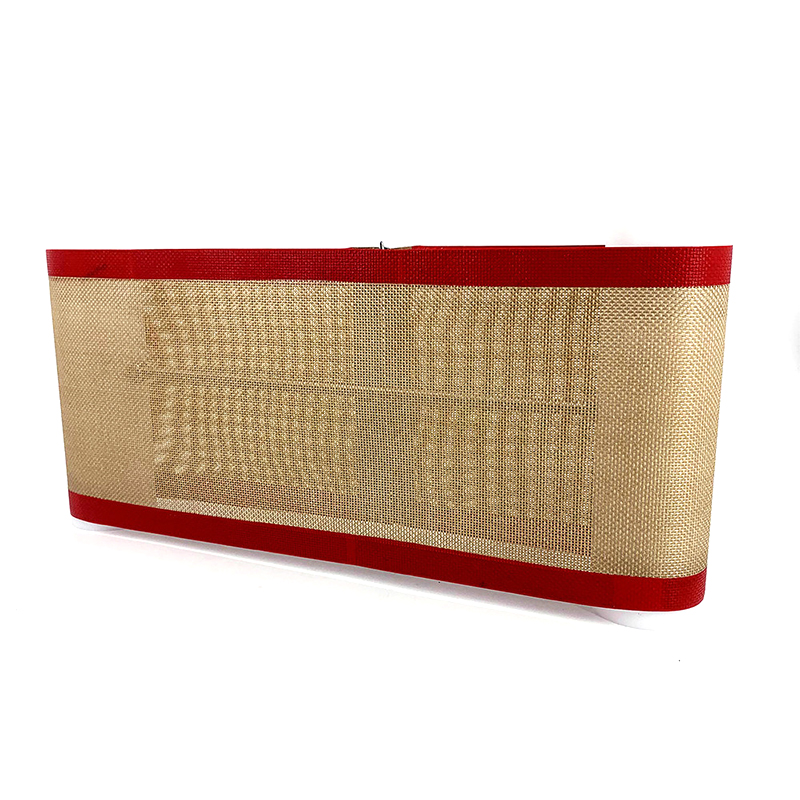
At its core, a PTFE Open Mesh Conveyor Belt is a composite structure designed for optimal performance under heat and stress. Its unique properties stem from the marriage of a robust mesh substrate with a high-performance PTFE coating.
Core Construction and Materials
Substrate: The Structural Backbone
- Fiberglass: The most common substrate, offering an excellent balance of tensile strength, dimensional stability, and heat resistance. It is the standard for most high-temperature applications.
- Kevlar® (Aramid): Provides superior strength-to-weight ratio and exceptional resistance to elongation under tension, ideal for heavy-load or high-tension lines.
- Stainless Steel: Used for extreme applications requiring maximum durability, abrasion resistance, and the ability to withstand direct flame or very high localized heat.
Coating: The Performance Layer
- The open mesh is uniformly coated with Polytetrafluoroethylene (PTFE), a fluoropolymer renowned for its near-universal chemical inertness and ultra-low surface energy.
- This coating is permanently bonded to the substrate through a specialized sintering process, ensuring it does not peel or flake during operation.
Key Performance Characteristics
The construction yields a belt with a distinct set of advantages over traditional solid or plastic mesh belts.
- Non-Stick & Easy Release: PTFE's low surface energy prevents adhesives, resins, food products, and other sticky materials from bonding to the belt surface.
- High-Temperature Stability: These belts can operate continuously from cryogenic temperatures up to +260°C (+500°F), with short-term peaks even higher.
- Chemical Inertness: Resistant to virtually all industrial chemicals, solvents, and acids, preventing belt degradation.
- Dimensional Stability: The low coefficient of thermal expansion and strong substrate minimize stretching, sagging, and tracking issues.
- Open Area Design: The mesh structure allows for efficient air circulation, which is crucial for uniform drying, cooling, or ventilation processes.
Critical Applications Across Industries
The unique properties of PTFE open mesh belts make them indispensable in several key sectors. Their application directly addresses specific production challenges, leading to improved efficiency and product quality.
Textile Screen Printing & Curing
This is a primary application where the belt's properties are fully utilized. The PTFE conveyor belt for screen printing dryer is engineered to handle the specific demands of textile printing lines.
- The open mesh permits hot air to pass through both the belt and the fabric, ensuring even heat distribution for consistent ink curing.
- The non-stick surface prevents uncured ink from transferring onto the belt, eliminating contamination and downtime for cleaning.
- High-temperature resistance allows for operation in the high-heat zones necessary for plastisol and other ink systems.
Food Processing: Drying and Cooking
In food production, hygiene and product release are paramount. A non-stick PTFE mesh belt for food drying provides a sanitary, FDA-compliant solution.
- Used for drying snacks, vegetables, fruits, and pasta, where the open mesh allows for efficient moisture removal from all sides.
- In cooking applications, it prevents delicate items like cookies, pastries, or proteins from sticking without the need for excessive oils or release agents.
- Its easy-clean surface supports strict sanitation protocols and reduces cross-contamination risks.
Industrial Drying and Curing
Beyond textiles and food, these belts are workhorses in general industrial settings. For processes like powder coating, composite curing, or laminate drying, an open mesh conveyor belt for industrial drying is often the optimal choice.
- Provides a stable, heat-resistant platform for products passing through ovens, infrared heaters, or UV curing tunnels.
- The non-stick surface is critical when processing pre-coated or adhesive-backed materials.
Selecting the Right PTFE Open Mesh Belt: A Detailed Comparison
Choosing the correct belt specification is critical for longevity and performance. The decision often hinges on the mesh type and coating weight. Here is a detailed comparison presented in both sentence and table form.
When selecting a belt, the first major choice is between a heavy-duty PTFE coated fiberglass belt and a standard-duty belt. Heavy-duty belts feature a thicker, denser fiberglass mesh and a heavier application of PTFE coating. This makes them significantly more resistant to abrasion from sharp or heavy products, provides greater dimensional stability under high tension, and extends service life in 24/7 operations. In contrast, standard-duty belts, with a lighter mesh and coating, are perfectly suitable for lighter loads, lower tensions, and applications where maximum air flow is the primary concern, often at a lower initial cost. The second key specification is the coating itself. A high temperature PTFE mesh belt with silicone adhesive refers not to the belt coating but to an optional feature where a silicone-based adhesive is applied to the belt's underside. This is crucial for applications where the belt must be spliced into an endless loop. The silicone adhesive can withstand the high operating temperatures of the belt, creating a durable, heat-resistant splice that maintains belt integrity.
| Selection Factor | Heavy-Duty PTFE Coated Fiberglass Belt | Standard-Duty PTFE Mesh Belt | High Temp Belt with Silicone Adhesive Splice |
|---|---|---|---|
| Primary Use Case | Abrasive/heavy products, high tension, 24/7 operation. | Lightweight products, general drying, maximum airflow priority. | Applications requiring an endless, spliced belt loop in high-temp environments. |
| Mesh & Coating | Thick, dense fiberglass; heavy PTFE coating. | Lighter, more open fiberglass; standard PTFE coating. | Varies (can be heavy or standard duty); splice uses temp-resistant adhesive. |
| Key Advantage | Superior abrasion resistance, stability, and longevity. | Excellent air permeability and cost-effectiveness for lighter duties. | Enables a strong, reliable endless splice that won't fail under heat. |
| Consideration | Higher initial cost; may reduce airflow slightly. | Less suitable for sharp edges or very high tension. | Splicing requires skill; the splice area is a fixed point on the belt. |
Additional Selection Criteria
- Mesh Count & Open Area: A higher mesh count (more strands per inch) offers a smoother surface for small items, while a more open mesh provides better airflow.
- Belt Thickness & Edge Treatment: Thickness affects flexibility and minimum pulley diameter. Sealed or reinforced edges prevent fraying and extend life.
- Operating Environment: Consistently assess maximum temperature, chemical exposure, tension, and product abrasiveness.
Installation, Maintenance, and Troubleshooting
Proper handling ensures your investment delivers maximum value. Following best practices for installation and care can prevent common issues and unplanned downtime.
Installation Best Practices
- Alignment is Critical: Ensure all pulleys, especially the drive and tail pulleys, are perfectly parallel and aligned. Misalignment is the leading cause of tracking problems.
- Correct Tension: Apply only enough tension to prevent slippage under load. Over-tensioning stresses the mesh and splices unnecessarily.
- Handle with Care: Avoid kinking, folding, or dragging the belt on rough surfaces during installation to protect the PTFE coating.
Routine Maintenance for Longevity
A simple maintenance routine centered on a PTFE mesh belt cleaning and maintenance schedule is essential.
- Regular Cleaning: Remove debris and buildup promptly. Use soft brushes, mild detergents, and low-pressure water. Avoid metal scrapers or harsh chemicals that could damage the PTFE layer.
- Tracking Checks: Monitor belt tracking regularly. Most systems have tracking guides or adjustable pulleys; make small, incremental adjustments as needed.
- Inspect Splices and Edges: Periodically check the condition of splices (especially high temperature PTFE mesh belt with silicone adhesive joints) and belt edges for signs of wear, fraying, or delamination.
Innovation and Expertise from Taizhou Yaxing
The advancement of PTFE conveyor technology relies on deep material science expertise and precision manufacturing. Taizhou Yaxing Plastic Industry Co., Ltd. embodies this commitment. With roots dating back to 1995 and a dedicated focus on the fluoroplastic industry for over 20 years, Yaxing operates as an advanced manufacturing base for PTFE products in China. The company's investment in specialized equipment, including 16 advanced PTFE glass fiber cloth coating lines and German high-precision film cutting machinery, allows for exceptional control over product quality. This technical prowess enables Yaxing to independently develop and produce specialized products like PTFE grid conveyor belts, ultra-wide films, and permanent architectural membranes, many of which have filled domestic technological gaps and earned national patents and awards. For global customers, this translates to access to reliably engineered, high-performance PTFE Open Mesh Conveyor Belt solutions backed by rigorous ISO9001 quality management and a profound understanding of application challenges.
Frequently Asked Questions (FAQ)
1. What is the maximum temperature a PTFE open mesh belt can withstand?
High-quality PTFE open mesh belts, like those manufactured with precision coating processes, can operate continuously at temperatures up to 260°C (500°F). Short-term exposure to peaks of up to 300°C (572°F) may be possible, but this depends on the specific substrate and construction. Always consult the manufacturer for the exact specifications of your belt.
2. How do I clean a PTFE conveyor belt without damaging it?
For effective PTFE mesh belt cleaning and maintenance, use a soft-bristled brush or non-abrasive pad with a mild, non-ionic detergent and warm water. Gently scrub to remove residues. For stubborn deposits, soaking the area or using a low-pressure steam cleaner can be effective. Avoid abrasive tools, metal scrapers, and harsh chemical solvents which can compromise the PTFE surface.
3. Can PTFE mesh belts be made into an endless (spliced) loop?
Yes, absolutely. This is a common and reliable practice. The splice is created by overlapping the belt ends and bonding them with a high-temperature resistant adhesive, such as a silicone-based adhesive, to form a high temperature PTFE mesh belt with silicone adhesive joint. When performed correctly, this splice is very strong and can withstand the normal operating temperatures and tensions of the belt.
4. What's the difference between a PTFE-coated belt and a solid PTFE belt?
A PTFE-coated belt, like an open mesh belt, uses a fabric (fiberglass, Kevlar) substrate for strength and stability, with a layer of PTFE applied for non-stick properties. A solid PTFE belt is made entirely of PTFE, often as a thin film. The coated belt is far stronger, more dimensionally stable, and suitable for conveyor applications, while solid PTFE belts are typically used as release sheets or for very light-duty, low-tension applications.
5. Why would I choose a heavy-duty PTFE coated fiberglass belt over a standard one?
You should select a heavy-duty PTFE coated fiberglass belt when your application involves heavy or abrasive products, requires high belt tension, or runs continuously (24/7). The heavier construction resists stretching, abrasion, and wear far better, leading to a longer service life and reduced downtime, which often justifies the higher initial investment for demanding industrial environments.
References
[1] Ebnesajjad, S. (2013). *Fluoroplastics, Volume 2: Melt Processible Fluoropolymers*. William Andrew Publishing.
[2] Drobny, J. G. (2009). *Technology of Fluoropolymers* (2nd ed.). CRC Press.
[3] Pascall, M. A., & Farris, S. W. (2019). *Handbook of Industrial Drying*. CRC Press.
[4] Information on PTFE material properties and industrial standards was cross-referenced with technical data sheets from leading fluoropolymer resin producers.
[5] Practical application data and failure mode analysis are derived from the collective engineering experience and customer case studies at Taizhou Yaxing Plastic Industry Co., Ltd. (1995-2023).
Message Us Right Now!

- Phone: +86-18651171105
- Fax: +86-18651171105
- Email: yaxing@yaxing.com
- Address: No. 18, Yongxin East Road, Gaogang District, Taizhou City, Jiangsu Province, China.
Copyright © Yaxing Plastic Industry Co., Ltd. All Rights Reserved. Custom High-End Precision PTFE Series Products Manufacturers 