

 English
 Español
 русский
Why a Barbecue Grill Mesh Bag Changes Your Outdoor Cooking
A barbecue grill mesh bag for outdoor cooking solves a problem every griller knows: small or delicate foods that slip through the grates or stick and disintegrate when you try to flip them. Asparagus spears, sliced zucchini, shrimp, fish fillets, and even chopped onions become manageable when they are contained in a fine mesh pouch that sits on the grill. The mesh allows flame, smoke, and heat to reach the food directly, while the enclosed design means you can turn an entire batch of vegetables at once with a single pair of tongs. No more chasing cherry tomatoes around the grates or losing half your mushrooms to the fire.
The principle is simple, but the material and design vary widely. A cheap mesh bag with large holes and no non-stick coating can still let small pieces escape and may leave half your meal glued to the metal. A well-designed non stick barbecue grill mesh bag with a fine weave, high-heat tolerance, and a secure closure will expand your grilling repertoire. Understanding how to choose a barbecue grill mesh bag means knowing which materials, coatings, and mesh sizes match the foods you cook most often.
Content
- 1 How to Choose a Barbecue Grill Mesh Bag: The Four Decisive Factors
- 2 What Type of Grill Mesh Is Best for Vegetables and Small Foods
- 3 How to Keep Food from Sticking to a Barbecue Grill Mesh Bag
- 4 Reusable vs Disposable: The Case for a Quality Grill Mesh Bag
- 5 Getting the Most from Your Barbecue Grill Mesh Bag
How to Choose a Barbecue Grill Mesh Bag: The Four Decisive Factors
When you set out to choose a barbecue grill mesh bag, four specifications determine whether it becomes your most-used grilling accessory or a one-season disappointment: the mesh hole size, the material and heat resistance, the non-stick properties, and the closure mechanism. Ignore any one of these, and you risk food either falling through, sticking irreversibly, or the bag itself failing under high heat.
Mesh hole size is the first filter. For a grill mesh bag for small food such as diced peppers, peas, or finely sliced garlic, the openings should be no larger than 1 to 2 millimeters. For larger vegetables like whole baby potatoes or thick-cut courgette rounds, a 3 mm mesh works fine and allows more direct flame contact. The material must withstand temperatures up to at least 260°C (500°F), which is the high end of typical grilling heat. Stainless steel mesh is common, but it requires a non-stick coating to prevent food from bonding to the metal. Silicone-coated fiberglass mesh offers inherent non-stick qualities and flexibility but should be checked for a temperature rating that covers direct flame exposure. Finally, the bag must close securely — a zipper or a fold-over flap that will not pop open when you flip the bag. A bag that spills its contents mid-grill defeats its entire purpose.
What Type of Grill Mesh Is Best for Vegetables and Small Foods
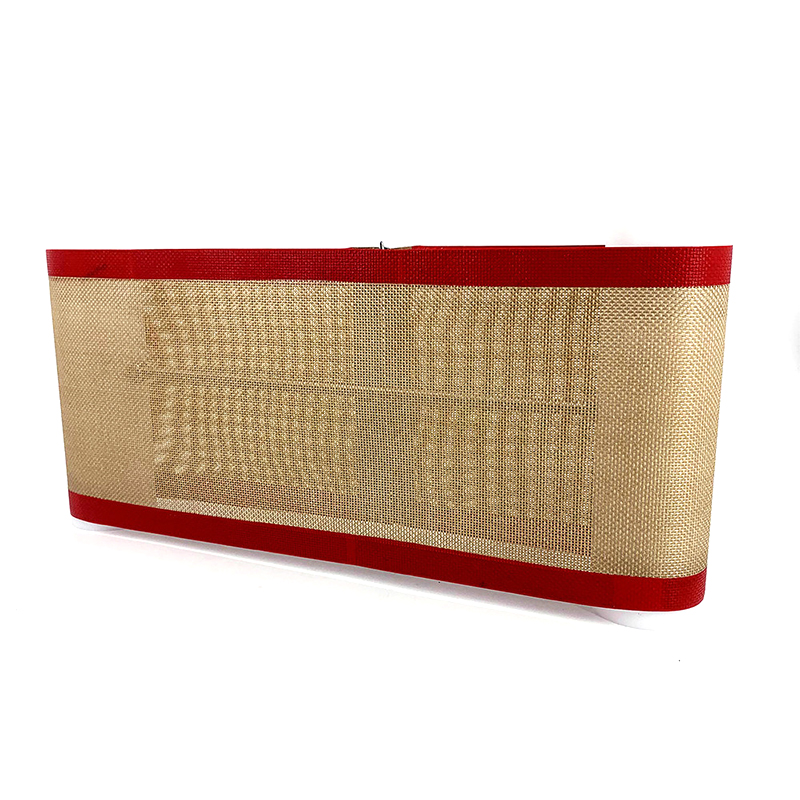
The question what type of grill mesh is best for vegetables is best answered by looking at how vegetables cook on a grill. Vegetables release water as they heat, which can cause them to steam rather than char if the mesh is too tight. They also shrink, meaning a mesh with openings around 2 to 3 mm strikes the right balance: it holds the food while allowing moisture to escape and smoke to circulate. A reusable grill mesh bag for vegetables made from PTFE-coated (polytetrafluoroethylene) fiberglass fabric is particularly effective. The coating creates a smooth, non-porous surface that even sticky marinades slide off, while the fiberglass core handles repeated high-heat cycles without degrading.
For those wondering how to grill small foods without them falling through the grill, the mesh bag is the definitive answer, but the technique matters. Foods like green beans, snap peas, and small shrimp should be spread in a single layer inside the bag so each piece contacts the hot mesh. Overfilling creates a pile that steams in the center. For the smallest items — capers, finely minced garlic, or loose herbs — a dual-layer design with a very fine inner mesh prevents any escape. A bag marketed specifically as a grill mesh bag for small food will usually have a tight weave and a reinforced rim that makes it easy to shake and flip without spilling.
How to Keep Food from Sticking to a Barbecue Grill Mesh Bag
Even with a non-stick bag, learning how to keep food from sticking to a barbecue grill mesh involves a few practical steps. A non stick barbecue grill mesh bag works best when it is preheated along with the grill. Place the empty bag on the grates for two to three minutes before adding food. This closes the microscopic pores in the coating and creates a more effective release surface. Lightly oiling the food itself — not the bag — adds another layer of protection; toss your vegetables or protein in a small amount of oil before loading them into the mesh.
Sugary marinades and barbecue sauces are the most common culprits for sticking. The sugar caramelizes and bonds to the mesh at temperatures above 150°C (300°F). If you are using a sweet glaze, apply it only in the last few minutes of cooking, or use a bag with a heavier PTFE coating rated for high-sugar environments. After cooking, let the bag cool slightly, then rinse it immediately with warm water while the residue is still soft. Scrubbing a cold, dry bag with caked-on sauce will eventually damage the non-stick surface. A reusable grill mesh bag for vegetables that is cleaned promptly and stored flat will maintain its release properties for hundreds of uses.
Reusable vs Disposable: The Case for a Quality Grill Mesh Bag
A reusable grill mesh bag for vegetables costs more upfront than a pack of disposable aluminum grill toppers, but the economics flip after a single season. Disposable options cannot be reliably flipped without tearing, often have larger holes that let food through, and contribute to landfill waste. A heavy-duty reusable bag with a high-temperature non-stick coating can last for three to five years of regular weekend grilling. When comparing options for a barbecue grill mesh bag for outdoor cooking, look for reinforced edges that prevent fraying, a hanging loop for storage, and a coating that is FDA-approved for food contact at grilling temperatures.
The table below summarizes the key features to evaluate when selecting a grill mesh bag, based on typical grilling scenarios.
| Food Type | Recommended Mesh Size | Best Material | Closure Type |
|---|---|---|---|
| Fine-cut vegetables, diced onions, herbs | 1–2 mm | PTFE-coated fiberglass | Zipper or fold-over flap |
| Sliced courgette, peppers, asparagus | 2–3 mm | PTFE-coated fiberglass or coated stainless steel | Fold-over with snap |
| Shrimp, small scallops, fish chunks | 2 mm | PTFE-coated fiberglass | Zipper with heat-resistant pull |
| Whole baby potatoes, corn on the cob pieces | 3–4 mm | Coated stainless steel | Spring-loaded clamp |
Understanding what type of grill mesh is best for vegetables ultimately depends on the size of your typical vegetable cuts and whether you value char marks or moist, steamed results. A tighter mesh steams more and chars less; a slightly more open mesh allows more direct flame contact and browning. The most versatile grill mesh bag for small food will have a medium-fine mesh and a reliable non-stick coating that handles everything from marinated tofu to delicate white fish without needing to be scraped clean.
Getting the Most from Your Barbecue Grill Mesh Bag
Once you have selected the right non stick barbecue grill mesh bag, a few usage habits will dramatically extend its life and improve your results. Always use silicone or wooden tongs to handle the bag; metal tongs can scratch the non-stick coating over time. When grilling fatty meats or heavily marinated items, place the bag on a medium-heat zone rather than directly over the hottest coals or burners. This prevents the coating from exceeding its rated temperature and allows the food to cook through before the exterior chars.
For those still working out how to grill small foods without them falling through the grill, the bag is the hardware, but the software is technique. A gentle shake every 60 to 90 seconds redistributes the pieces for even cooking. If you want distinct sear marks, consider using the bag for the initial cooking phase to hold the food together, then carefully tipping the contents directly onto the grates for the final minute. This hybrid approach gives you the security of the mesh bag and the visual appeal of open-grate grilling. With proper care, a barbecue grill mesh bag for outdoor cooking becomes the accessory that makes vegetable-forward grilling as effortless as flipping a burger.
Message Us Right Now!

- Phone: +86-18651171105
- Fax: +86-18651171105
- Email: yaxing@yaxing.com
- Address: No. 18, Yongxin East Road, Gaogang District, Taizhou City, Jiangsu Province, China.
Copyright © Yaxing Plastic Industry Co., Ltd. All Rights Reserved. Custom High-End Precision PTFE Series Products Manufacturers 