

 English
 Español
 русский
Barbecue Grill Mat: Heat Resistance, Materials, and Performance Explained
Content
What a Barbecue Grill Mat Actually Does
A barbecue grill mat sits between your food and the grill grates, creating a flat, non-stick cooking surface without enclosing heat or blocking flame. Unlike foil wrapping or trays, a grill mat keeps food in direct contact with radiant heat from below while preventing drips, flaking, and small items from falling through the grates.
The practical result is cleaner grilling with fewer stuck surfaces, less flare-up from fat dripping onto burners, and faster post-cook cleanup. Proteins release without tearing, vegetables stay intact, and delicate foods like fish or shrimp can be cooked directly on the grill without a basket.
PTFE vs PFOA: Understanding the Material Difference
The vast majority of barbecue grill mats are made from fiberglass fabric coated with PTFE (polytetrafluoroethylene) — the same fluoropolymer used in non-stick cookware coatings. PTFE is chemically inert, highly heat-stable, and produces the slick surface that prevents food adhesion.
A common point of confusion is the distinction between PTFE and PFOA. PFOA (perfluorooctanoic acid) was historically used as a processing aid in manufacturing PTFE coatings and raised health concerns. Reputable grill mat manufacturers have eliminated PFOA from production, so the relevant certification to look for is PFOA-free, not PTFE-free. At normal grilling temperatures, PTFE is stable and inert, beginning to degrade meaningfully only above 260 degrees C (500 degrees F).
Temperature Limits and Where They Matter in Practice
Most outdoor grills can exceed 315 degrees C (600 degrees F) at full heat, particularly near the center of the grate. Understanding where a grill mat's temperature ceiling sits relative to your cooking method determines how safely and effectively it performs.
| Cooking Method | Typical Surface Temp | Compatible with Standard Grill Mat |
|---|---|---|
| Low-and-slow smoking | 107 to 150 degrees C (225 to 300 degrees F) | Yes |
| Medium-heat grilling | 175 to 230 degrees C (350 to 450 degrees F) | Yes |
| High-heat searing | 260 to 315 degrees C (500 to 600 degrees F) | Marginal, monitor closely |
| Full-blast charcoal | 315 degrees C and above (600 degrees F and above) | Not recommended |
For high-heat applications like searing steaks, the mat is better removed and cooking done directly on the grate. Grill mats perform best in medium-heat cooking scenarios where food integrity and grate cleanliness are priorities.
Thickness, Coating Weight, and Lifespan
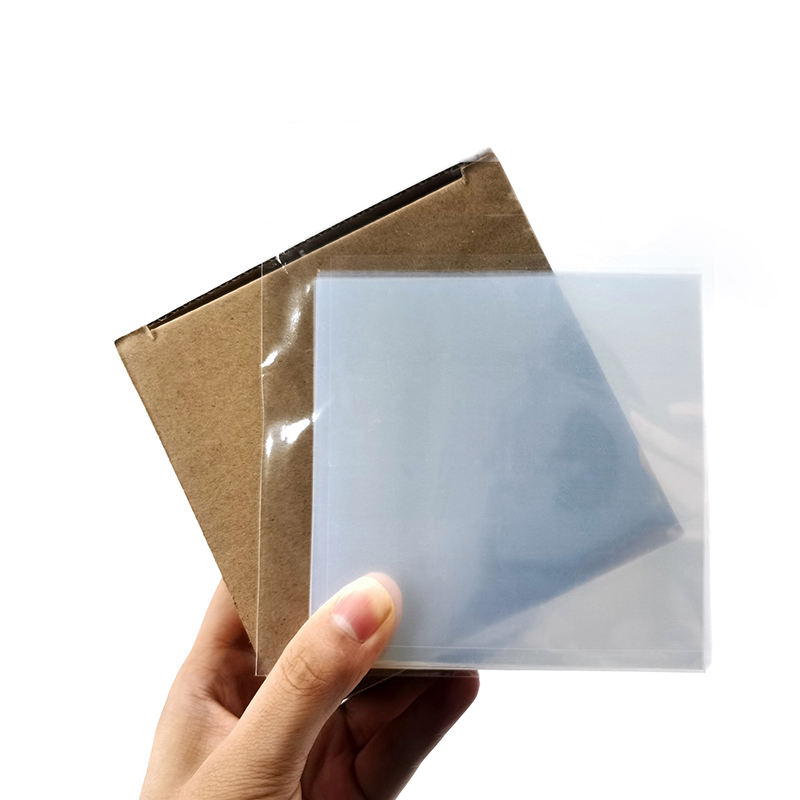
Grill mat performance varies significantly based on the weight of the PTFE coating relative to the fiberglass base. Thinner mats (around 0.2mm) are lighter and fold easily for storage but are more susceptible to surface wear after repeated use. Heavier mats (0.3 to 0.4mm) hold up better to metal utensils but take longer to heat through.
Coating uniformity matters more than raw thickness. Mats with uneven coating develop bare spots where the fiberglass substrate becomes exposed, dramatically reducing non-stick performance. A well-coated 0.25mm mat will typically outlast a poorly coated 0.4mm mat. Most quality grill mats are rated for 50 to 100 uses before performance noticeably degrades.
Cleaning and Care: Extending Functional Life
Barbecue grill mats are dishwasher safe in most cases, but repeated cycles accelerate coating wear compared to hand washing. The most effective method is warm water, dish soap, and a soft cloth. Key care guidelines that extend mat lifespan:
- Allow the mat to cool fully before washing to avoid thermal shock on the coating bond
- Do not cut food directly on the mat surface with a knife
- Use silicone or wooden utensils rather than metal tongs or spatulas with sharp edges
- Store flat or loosely rolled, as repeated tight folding cracks the coating at crease points
- Inspect regularly for dark discoloration or exposed fiberglass weave, which signals end of usable life
What to Look for When Selecting a Grill Mat
The grill mat market ranges from commodity products to more durable commercial-grade versions. The practical differentiators worth evaluating are:
- PFOA-free certification should be clearly stated, not implied
- Coating uniformity across the full sheet with no thin or shiny spots
- Declared temperature rating of 260 degrees C (500 degrees F) as the functional standard
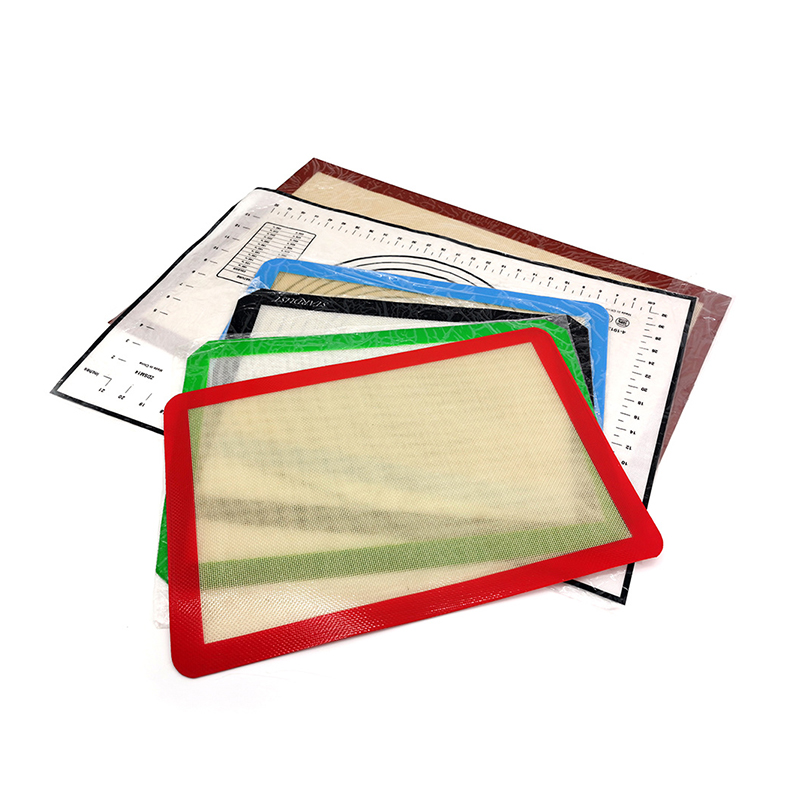
- Mat dimensions of 33x40cm or 40x50cm to suit most home grills
- Edge finishing with reinforced or stitched edges that resist fraying and delamination
For B2B or bulk purchasing, the coating deposition method and number of coating layers applied during manufacture are the most reliable indicators of durability, information that reputable manufacturers can supply on request.
Message Us Right Now!

- Phone: +86-18651171105
- Fax: +86-18651171105
- Email: yaxing@yaxing.com
- Address: No. 18, Yongxin East Road, Gaogang District, Taizhou City, Jiangsu Province, China.
Copyright © Yaxing Plastic Industry Co., Ltd. All Rights Reserved. Custom High-End Precision PTFE Series Products Manufacturers 