

 English
 Español
 русский
What Is a PTFE Belt? Material Properties, Conveyor Types & PTFE Uses Explained
Content
PTFE Belts Defined — And Why the Material Is Neither Rubber Nor a Typical Plastic
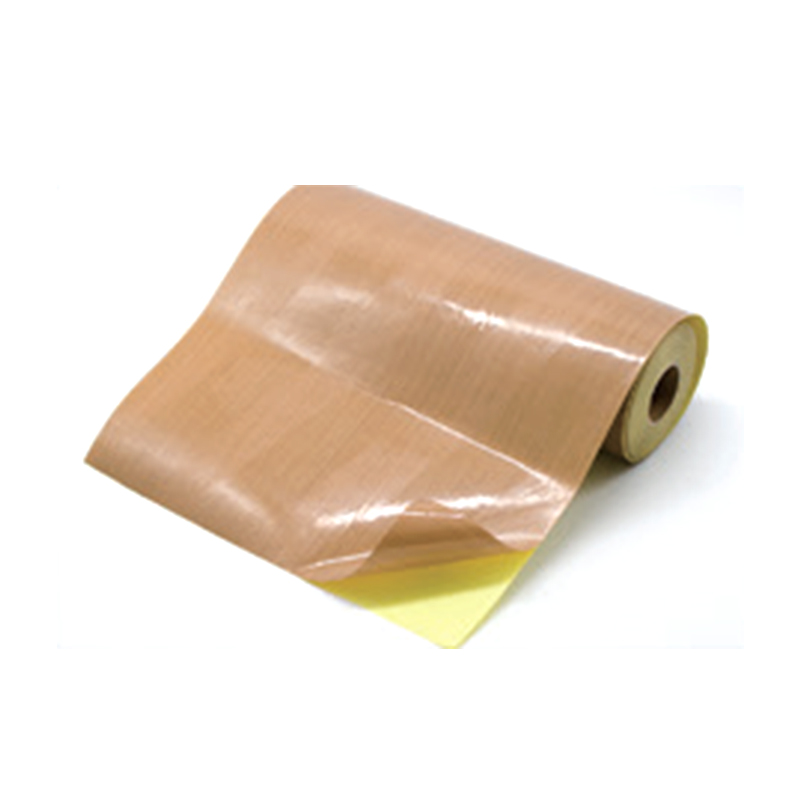
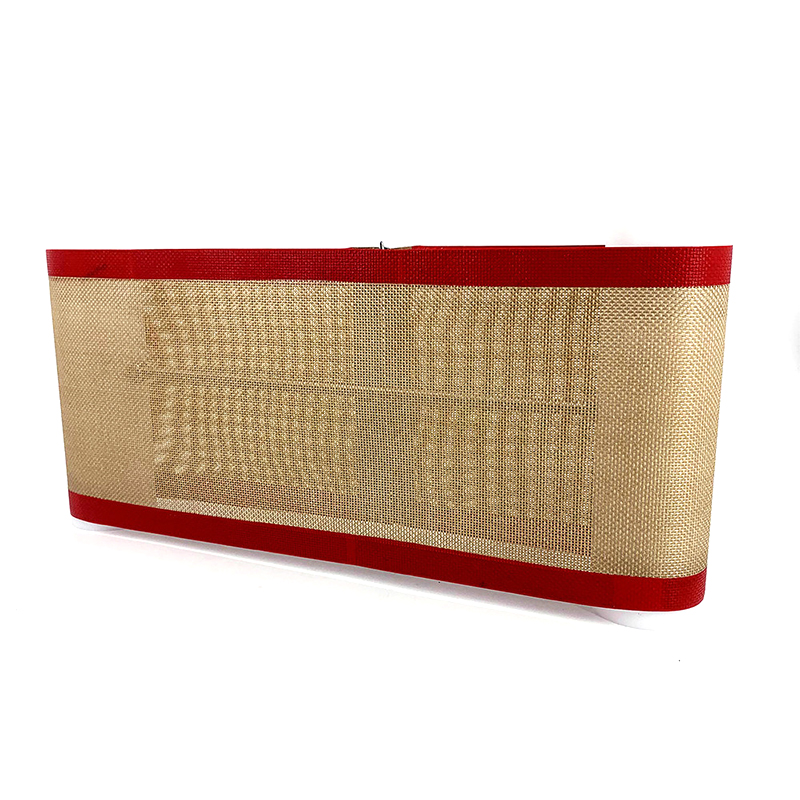
A PTFE belt is a high-performance conveyor or drive belt that uses polytetrafluoroethylene (PTFE) as its functional surface, most commonly by impregnating or coating a woven fiberglass fabric with the polymer. The result is a belt that handles continuous operating temperatures up to 260°C (500°F), resists chemical attack from nearly all substances except molten alkali metals and fluorine gas at high pressure, and offers a dynamic coefficient of friction as low as 0.04 against polished steel — meaning virtually nothing sticks to it. This answers the question “Is PTFE a rubber or plastic?” directly: PTFE is a thermoplastic polymer, an engineering plastic, not an elastomer. Unlike rubber, it does not stretch significantly under load, it shows no performance loss from ozone or UV exposure, and it maintains its mechanical integrity across a temperature window of -240°C to 260°C, a range no rubber compound can match without compounding compromises.
The Expansive Industrial Footprint of PTFE Well Beyond Conveyor Belts
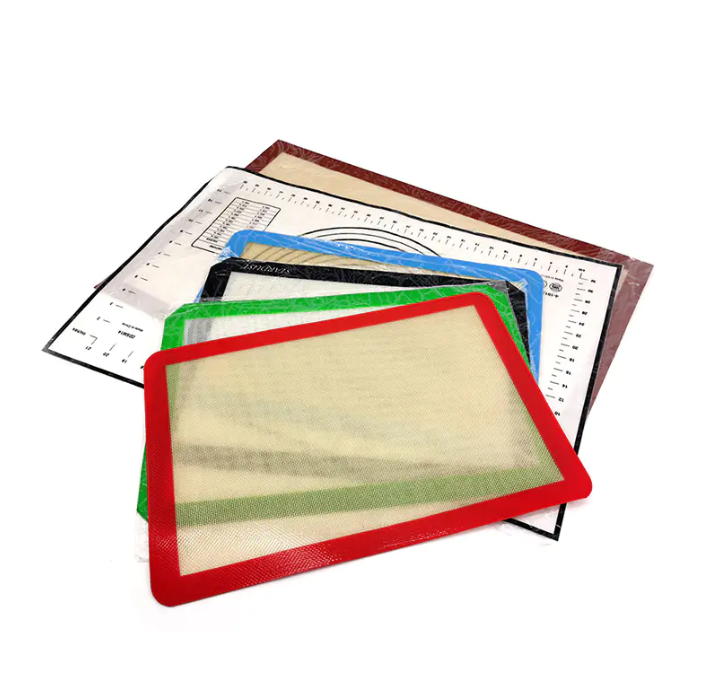
What is PTFE used for? The material’s inertness and low surface energy have pushed it into roles ranging from aerospace fuel seals to architectural fabric roofs. In the medical sector, PTFE tubing and grafts are used for vascular procedures because the polymer does not provoke a clotting response. A 2024 review in the Journal of Biomedical Materials Research noted that over 3 million expanded PTFE vascular grafts have been implanted worldwide. In industrial sealing, PTFE gaskets and packings are the default choice for chemical plant flanges handling acids at temperatures where conventional fiber gaskets char in hours. In food processing, PTFE-coated baking sheets and belts eliminate the need for release oils, cutting volatile organic compound emissions from bakery ovens by an average of 12–18% according to a European Bakeries Association pilot study.
This versatility is rooted in the carbon-fluorine bond, one of the strongest single bonds in organic chemistry, at approximately 485 kJ/mol. It is this bond strength that gives PTFE its near-universal chemical resistance, allowing a single material family to serve in cryogenic ball valve seats, non-stick cookware, and the white fabric roof of sports stadiums — all with the same base chemistry.
Mapping the Major Conveyor Belt Categories and Where PTFE Fits
When asking “What are the different types of conveyor belts?”, the answer depends on whether you classify by material, structure, or application. From a material standpoint, the four dominant categories in industrial conveying are rubber, plastic modular, metal mesh, and coated fabric — and PTFE belts fall into the coated fabric group as the premier non-stick, high-temperature option. The table below compares these types on key performance axes relevant to material handling decisions.
| Belt Type | Max Continuous Temp. | Release / Non-Stick | Typical Industry |
|---|---|---|---|
| Rubber (multi-ply or solid woven) | 80–200°C | Poor; requires scrapers | Mining, aggregates, bulk grain |
| Plastic modular (polypropylene, acetal) | 60–100°C | Fair; some sticking | Bottling lines, packaged goods |
| Metal mesh (stainless steel) | 400–600°C | Poor without coating | Heat treating, quenching lines |
| PTFE-coated fiberglass | 260°C | Excellent; self-releasing | Food baking, textile fusing, composite curing |
Within the PTFE belt family, further subtypes exist to address specific demands. Seamless PTFE belts eliminate edge fray in precision printing applications; antistatic PTFE belts with a carbon black filler discharge built-up static electricity in electronics assembly; and open-mesh PTFE belts allow airflow and moisture escape during drying processes. Industry estimates from conveyor service life data indicate that in high-temperature food processing, a PTFE belt routinely lasts 8,000 to 12,000 operating hours before replacement, compared to 1,500–2,500 hours for a standard silicone-coated belt in the same oven conditions.
The Mechanical Identity of PTFE: Engineering Plastic, Not Elastomer
Returning to the question “Is PTFE a rubber or plastic?” — PTFE sits in the category of engineering thermoplastics, more precisely a fluoropolymer, and it behaves like a plastic under load. Its tensile strength at break ranges from 20 to 35 MPa, but unlike many plastics, it exhibits cold flow (creep) under sustained compression, a property that gasket designers account for by using spring-loaded or grooved retainers. This is not a rubber-like elastic recovery; once PTFE cold-flows, it does not bounce back. The flexural modulus sits around 500–700 MPa, placing it in a stiffness class comparable to unreinforced nylon but with a much wider working temperature range. No rubber compound — whether nitrile, silicone, or EPDM — offers a simultaneous resistance to hydrochloric acid, steam, and oils the way PTFE does, which is why it remains irreplaceable in chemically aggressive conveying and sealing environments despite its higher raw material cost.
Message Us Right Now!

- Phone: +86-18651171105
- Fax: +86-18651171105
- Email: yaxing@yaxing.com
- Address: No. 18, Yongxin East Road, Gaogang District, Taizhou City, Jiangsu Province, China.
Copyright © Yaxing Plastic Industry Co., Ltd. All Rights Reserved. Custom High-End Precision PTFE Series Products Manufacturers 