

 English
 Español
 русский
Barbecue Grill Mesh Bag: What It Does, How to Use It & Best Foods
Content
What Is a Barbecue Grill Mesh Bag?
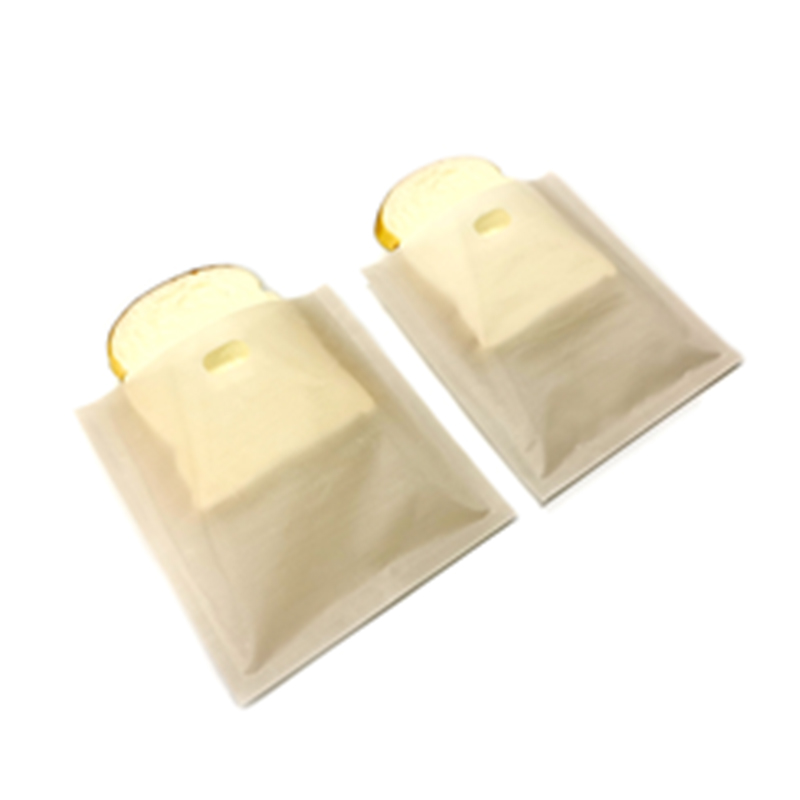
A barbecue grill mesh bag is a reusable, heat-resistant pouch made from food-safe mesh material — typically fiberglass coated with PTFE (polytetrafluoroethylene) or stainless steel woven wire — designed to hold small, delicate, or irregularly shaped foods on a grill without them falling through the grates or sticking to the cooking surface. The open mesh structure allows direct flame and heat circulation around the food while the bag contains it, delivering char, caramelization, and smoke flavor that a solid pan or foil packet cannot replicate.
The practical problem grill mesh bags solve is straightforward: standard grill grates are designed for steaks, chops, and corn — not for cherry tomatoes, shrimp, sliced vegetables, fish fillets, or diced fruit that would either fall through the gaps or stick and tear when turned. A mesh bag eliminates both problems. Food goes in, the bag sits on the grate or hangs over it, and the entire contents can be flipped or shaken in one motion — no skewers, no individual turning, no lost pieces.
Grill mesh bags are available in multiple sizes for different quantities and food types, and in both zipper-closure and fold-over designs. Most are rated for temperatures up to 260°C to 315°C (500°F to 600°F), covering the full range of direct and indirect grilling, and are dishwasher-safe for easy cleanup after use.
Materials Used in Grill Mesh Bags: PTFE vs. Stainless Steel
The two dominant materials for barbecue grill mesh bags serve different use cases and offer distinct trade-offs in heat tolerance, durability, flexibility, and ease of cleaning.
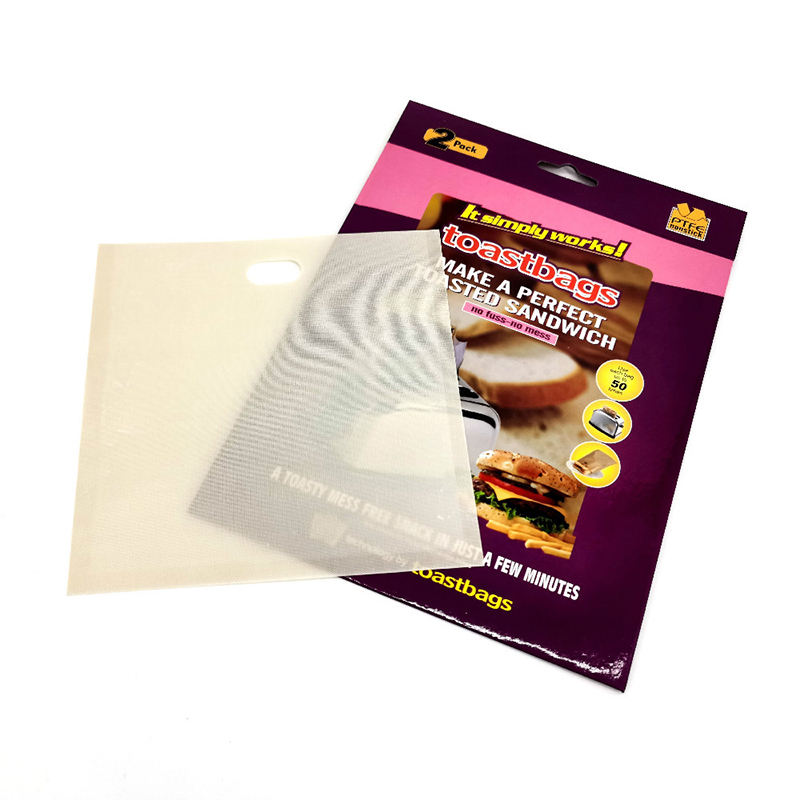
PTFE-coated fiberglass mesh is the most widely available material for consumer grill bags. The fiberglass base provides dimensional stability and heat resistance, while the PTFE coating creates an exceptionally non-stick surface that prevents food from adhering to the mesh fibers. PTFE mesh bags are lightweight, flexible enough to conform around food for a snug closure, and easy to wipe or rinse clean. Their temperature ceiling of around 260°C (500°F) makes them well-suited to standard charcoal and gas grilling but limits their use in very high-heat environments like professional wood-fired grills or kamado cookers running at full temperature.
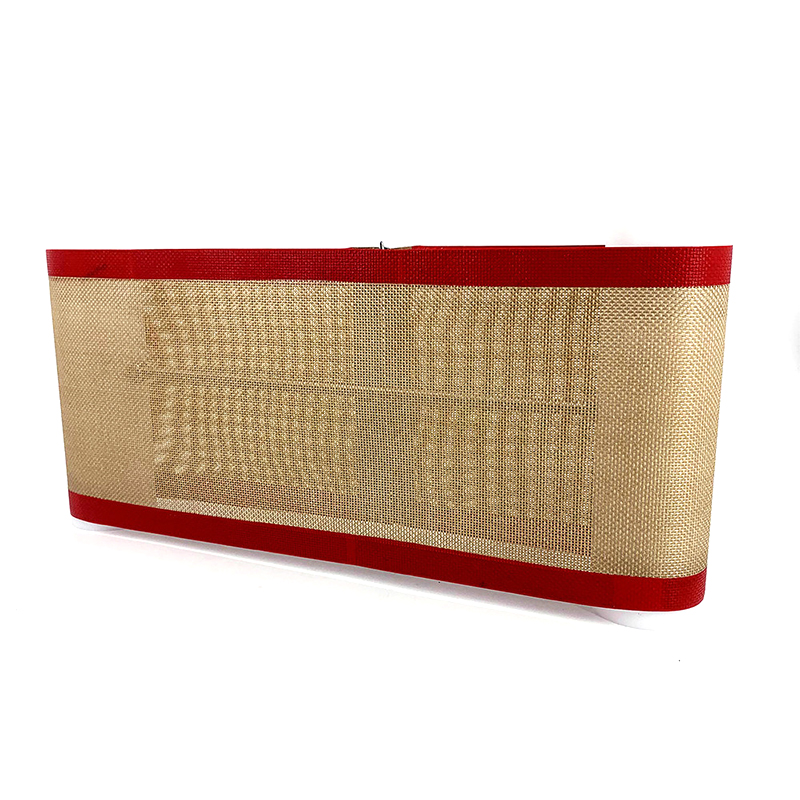
Stainless steel mesh bags handle higher temperatures — typically up to 315°C to 400°C (600°F to 750°F) — and are more durable under repeated mechanical stress. The metal mesh does not degrade or release any coating at high heat, making stainless bags the preferred choice for serious grillers, commercial use, or high-temperature applications like pizza stone setups and wood-fire cooking. The trade-off is that stainless mesh is stiffer, heavier, and less forgiving for very small or sticky foods, and it requires more careful cleaning to prevent rust at the wire joints if moisture is allowed to sit.
| Property | PTFE Fiberglass Mesh | Stainless Steel Mesh |
|---|---|---|
| Max temperature | ~260°C (500°F) | 315–400°C (600–750°F) |
| Non-stick surface | Excellent | Moderate (oil recommended) |
| Flexibility | High | Low to moderate |
| Durability | Good (coating wears over time) | Very high |
| Cleaning | Dishwasher safe, easy wipe | Dishwasher safe; dry thoroughly |
| Best for | Home grilling, sticky foods | High-heat, commercial, heavy use |
What Foods Work Best in a Barbecue Grill Mesh Bag?
The grill mesh bag expands the range of foods that can be cooked directly over flame without special equipment. The broad category is anything that benefits from grill heat but is too small, too soft, or too prone to sticking for open grate cooking.
- Vegetables: Sliced peppers, zucchini, mushrooms, asparagus spears, cherry tomatoes, green beans, and diced onion are ideal mesh bag candidates. They cook evenly from circulating heat, develop grill marks from contact with the mesh, and can be shaken or flipped in the bag to redistribute without individual handling.
- Seafood: Shrimp, scallops, and small fish fillets that would stick to bare grates or break apart when turned are well-suited to grill bags. The mesh prevents sticking while still allowing the caramelization and slight char that makes grilled seafood distinctive.
- Sliced or cubed meats: Diced chicken, lamb cubes, and thin-cut pork pieces cook quickly and evenly in a mesh bag, picking up smoke and grill flavor without drying out from prolonged direct exposure.
- Fruit: Halved stone fruit (peaches, plums, nectarines), pineapple chunks, and banana slices grill well in mesh bags. The sugar-rich surfaces caramelize quickly — the bag prevents the pieces from falling through or tearing when they soften during cooking.
- Fries and potatoes: Par-cooked fries or potato wedges in a grill bag develop crispy exteriors from direct grill heat without needing oil or a baking sheet — a technique that produces results closer to wood-fire roasting than oven cooking.
Foods that do not benefit from a mesh bag are those with a substantial, firm structure — whole steaks, bone-in chicken pieces, and corn on the cob — that sit stably on standard grates and benefit from direct grate contact for proper sear marks.
How to Use a Barbecue Grill Mesh Bag
Using a grill mesh bag correctly produces noticeably better results than placing it on the grill without preparation. A few consistent practices make a significant difference:
- Preheat the bag with the grill. Place the empty mesh bag on the grate while the grill comes to temperature. A preheated bag sears food on contact rather than allowing it to steam against a cold surface. Two to three minutes of preheating is typically sufficient.
- Oil the bag lightly before loading food. Even PTFE-coated bags benefit from a light brush or spray of high-smoke-point oil (avocado, refined sunflower, or grapeseed) before adding food. This prevents adhesion for sticky marinades and improves heat transfer between mesh and food surface.
- Do not overfill. Food should sit in a single layer or at most a shallow double layer inside the bag. Overfilling traps steam, prevents browning, and extends cooking time. If cooking large quantities, use two bags or cook in batches.
- Flip or shake at the halfway point. For even cooking and coloring, flip the entire bag after half the estimated cooking time, or shake the contents to redistribute. This is the primary convenience advantage over individual turning with tongs.
- Use indirect heat for longer cooks. For foods that require more than 10 to 12 minutes — thick chicken pieces, dense root vegetables — position the bag over indirect heat after an initial sear on direct heat. This prevents burning the mesh or overcooking the exterior before the interior is done.
Cleaning and Maintaining a Grill Mesh Bag
Proper cleaning extends the life of a grill mesh bag significantly and prevents flavor transfer between cooking sessions. Both PTFE and stainless steel bags are dishwasher-compatible, but a few additional practices maintain their performance over repeated use.
For PTFE fiberglass bags: allow the bag to cool completely before cleaning — plunging a hot PTFE bag into cold water can stress the fiberglass weave and accelerate coating wear. Wash in warm soapy water or the dishwasher on a standard cycle. Avoid steel wool or abrasive scrubbing pads, which damage the PTFE surface. Stubborn residue responds well to a 15-minute soak in warm water before gentle scrubbing with a soft brush. Inspect the PTFE coating periodically — once it begins to flake or peel visibly, the bag should be replaced.
For stainless steel mesh bags: clean promptly after use to prevent food residue from drying and bonding to the wire joints. Dishwasher cleaning is effective; hand washing with a brush that reaches into the mesh structure removes residue more thoroughly. The single most important maintenance step for stainless mesh bags is thorough drying after washing — air dry completely or towel dry before storing, as moisture trapped at wire crossing points causes rust spots that are difficult to remove and can eventually compromise the mesh structure.
Store grill mesh bags flat or loosely folded in a dry location. Avoid storing them compressed under heavy items, which can permanently deform the mesh weave and create uneven contact areas on the grill surface.
Message Us Right Now!

- Phone: +86-18651171105
- Fax: +86-18651171105
- Email: yaxing@yaxing.com
- Address: No. 18, Yongxin East Road, Gaogang District, Taizhou City, Jiangsu Province, China.
Copyright © Yaxing Plastic Industry Co., Ltd. All Rights Reserved. Custom High-End Precision PTFE Series Products Manufacturers 