

 English
 Español
 русский
BBQ Grilling Bags – What You Need to Know
Content
- 1 What Are BBQ Grilling Bags?
- 2 How to Use BBQ Grilling Bags
- 3 Benefits of BBQ Grilling Bags
- 4 Are BBQ Grilling Bags Safe?
- 5 BBQ Grilling Bags vs Grill Mats
- 6 Grill Basket vs Grill Bag
- 7 How to Grill Vegetables Using BBQ Grilling Bags
- 8 How to Prevent Food from Falling Through Grill Grates
- 9 How to Clean BBQ Grilling Bags
- 10 Can BBQ Grilling Bags Be Reused?
What Are BBQ Grilling Bags?
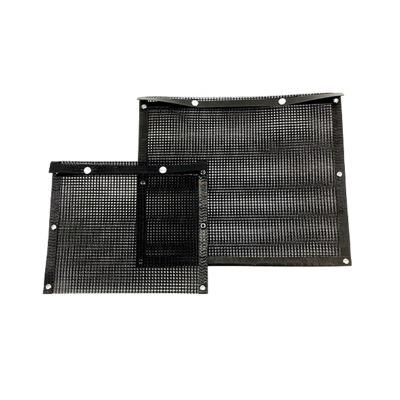
BBQ grilling bags are heat-resistant pouches designed to hold food directly on a grill grate, allowing you to cook without food falling through the gaps, sticking to the metal, or losing juices into the fire. They are made from PTFE-coated fiberglass fabric — the same non-stick, heat-tolerant material used in professional baking liners and industrial conveyor belts — cut and heat-sealed into a bag shape with an open top or a fold-over closure.
The bags sit directly on the grill grates and allow heat to transfer through the bag walls to the food inside. Unlike foil packets, they are reusable, non-reactive with acidic marinades, and do not require crimping or sealing around the food. Unlike grill baskets, they are flat, lightweight, and require no oil to prevent sticking.
Most grilling bags measure approximately 30 × 25 cm (12 × 10 inches) — large enough to hold a full portion of vegetables, a fish fillet, or several shrimp — and are rated for use up to 260°C (500°F), which comfortably covers the operating range of standard gas and charcoal grills. Some heavy-duty versions extend to 288°C (550°F) for high-heat searing applications.
How to Use BBQ Grilling Bags
Using grilling bags requires no special technique — the learning curve is essentially zero — but a few practices improve results noticeably.
Basic Setup
Preheat the grill to your target cooking temperature as normal. Place the grilling bag flat on the grates and allow it to preheat for one to two minutes before adding food. A preheated bag prevents the initial temperature drop that causes food to steam rather than sear, and helps proteins release cleanly from the surface once a crust forms.
Add food in a single layer — overcrowding traps steam and prevents browning. Season or marinade the food before placing it in the bag; there is no need to oil the bag interior. Fold the open edge over loosely or leave it open depending on whether you want to trap steam (good for vegetables and fish) or allow it to escape (better for getting char marks on meat).
Flipping and Handling
Use tongs to flip the entire bag when turning food — do not reach inside with metal utensils, which can abrade the PTFE coating over time. Silicone or wooden spatulas are safe for reaching inside the bag to rearrange smaller pieces. The bag surface will be very hot; always use heat-resistant gloves or long tongs when repositioning.
Direct vs Indirect Heat
Grilling bags work equally well over direct and indirect heat zones. For thick cuts that need finishing time after searing, move the bag to an indirect zone rather than removing the food. The bag handles the transition without tearing or distorting, unlike foil which weakens with repeated handling at high temperature.
Benefits of BBQ Grilling Bags
Grilling bags solve several practical problems that frustrate both new and experienced grillers simultaneously:
- No food loss through grates: Small items — shrimp, diced vegetables, fish flakes, sliced mushrooms — stay contained without needing a separate basket or skewer setup.
- Zero sticking: The PTFE surface releases food cleanly without oil, including delicate items like fish that tend to tear when lifted off bare grates.
- Juices and marinades stay with the food: Unlike cooking directly on grates, juices pool inside the bag and baste the food during cooking rather than dripping into the fire and causing flare-ups.
- No flare-ups from dripping fat: Containing the cooking juices within the bag prevents the fat-fire contact that causes uncontrolled flare-ups, which is a particular advantage when cooking marinated foods or fatty cuts.
- Faster grill cleanup: Food residue stays in or on the bag, not burned onto the grate surface. Grate cleaning after a session with grilling bags requires significantly less scrubbing.
- Reusable across many sessions: A quality grilling bag lasts 50–100+ uses with proper care, making the per-use cost lower than disposable foil alternatives while generating less kitchen waste.
Are BBQ Grilling Bags Safe?
Yes — PTFE-coated grilling bags are safe for food contact at normal grilling temperatures when used as directed. PTFE (polytetrafluoroethylene) is chemically inert, FDA-approved for food contact, and used in commercial food processing equipment globally. It does not react with foods, does not impart flavor or odor, and does not absorb marinades or sauces.
The safety consideration most often raised about PTFE cookware is fume generation at very high temperatures. PTFE begins to degrade above approximately 260°C (500°F) under sustained exposure, and products of degradation at temperatures above 350°C (660°F) can be irritating. Most grilling bags are rated to 260°C and should not be used at temperatures that exceed this rating. On a standard residential gas grill at medium-high heat, grate temperatures typically fall in the 200–250°C range — well within the safe operating zone.
Practical safety guidelines:
- Do not use grilling bags on a grill burning at maximum output for extended periods — check grate temperature with an infrared thermometer if in doubt
- Discard bags that show visible tears, heavy discoloration, or significant coating wear — a compromised surface should not contact food
- Purchase bags from suppliers that specify PFOA-free PTFE coating — PFOA (perfluorooctanoic acid) was historically used in PTFE manufacture but has been phased out; reputable modern products are PFOA-free
- Avoid cutting food inside the bag with metal utensils, which scores the coating and shortens its safe service life
BBQ Grilling Bags vs Grill Mats
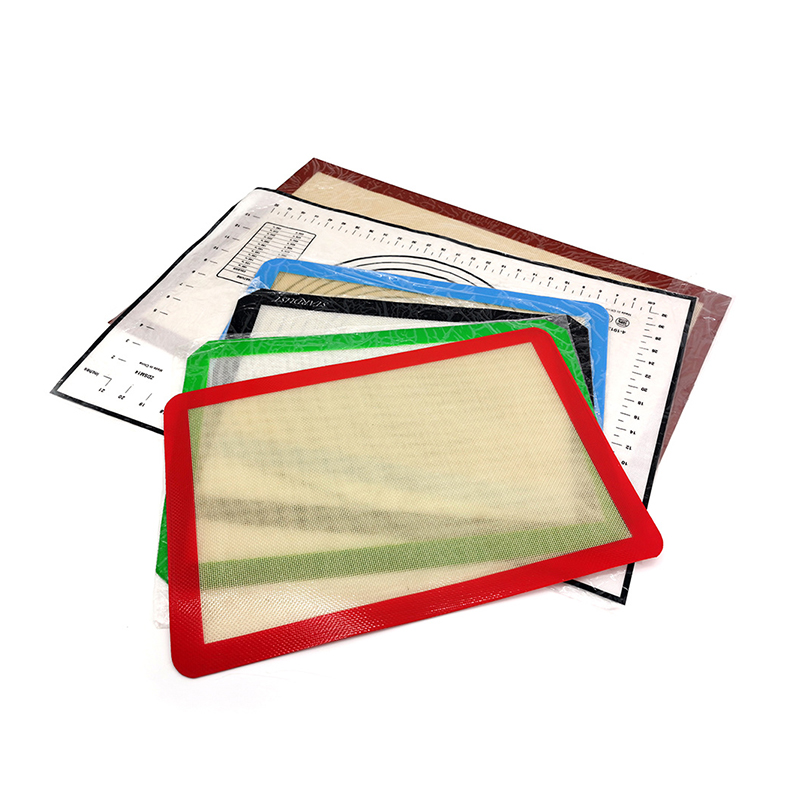
Grilling bags and grill mats are made from the same PTFE-coated fiberglass material and share many performance characteristics — the difference is form factor, and that difference has real practical consequences depending on the cooking task.
| Feature | Grilling Bag | Grill Mat |
|---|---|---|
| Food containment | Enclosed on 3–4 sides | Open surface only |
| Juice/marinade retention | Juices pool inside bag | Juices run off the mat edges |
| Cooking small/loose items | Fully contained | Risk of rolling off mat edge |
| Grill marks on food | No (indirect heat through bag) | Partial (heat lines through mat) |
| Cooking surface coverage | One bag per portion | Covers large grate area |
| Steaming / moisture cooking | Fold top to trap steam | No steam retention |
| Storage | Compact, folds flat | Flat sheets, slightly bulkier |
The practical takeaway: grill mats are better when you want a large flat non-stick cooking surface for items like pancakes, eggs, or a full spread of burgers and steaks. Grilling bags are better when you need to contain small or loose foods, retain cooking juices, or create a partial steam environment for vegetables and fish. Many grillers keep both on hand and choose based on the food being cooked.
Grill Basket vs Grill Bag
Grill baskets are perforated metal or wire mesh containers that hold food on the grate — the classic solution for vegetables and seafood. They solve the falling-through problem but introduce their own trade-offs that grilling bags address differently.
Where grill baskets win: A wire basket allows direct flame contact and smoke penetration on all sides of the food — particularly relevant for vegetables and proteins where char and smoke flavor are a primary goal. They also handle very high heat with no temperature limitations, making them appropriate for extreme searing temperatures where a grilling bag should not be used.
Where grilling bags win: Metal baskets require oiling to prevent sticking, retain residual flavor between uses even after cleaning, and are harder to clean thoroughly — particularly wire mesh baskets where food particles lodge in the weave. They are also significantly heavier and bulkier to store and transport. Grilling bags stick to nothing, clean in seconds, fold flat, and are light enough to pack for camping or tailgating without adding meaningful weight.
For home grillers who prioritize convenience, easy cleanup, and versatility with delicate foods, grilling bags are the more practical everyday solution. For the purist who wants maximum smoke exposure and char marks on every surface of the food, a good wire basket remains the preferred tool.
How to Grill Vegetables Using BBQ Grilling Bags
Grilling bags are arguably best suited for vegetables, which are notoriously difficult to grill directly — small pieces fall through grates, delicate items like asparagus tips and sliced zucchini stick and tear, and high water content vegetables can steam in their own moisture if not given enough space. A grilling bag solves all three problems simultaneously.
Preparation
Cut vegetables into uniform pieces — aim for 2–3 cm (about 1 inch) chunks for denser vegetables like bell peppers, zucchini, and red onion; leave asparagus and green beans whole. Toss with olive oil, salt, pepper, and any preferred seasoning before loading into the bag. The oil is for flavor and to encourage browning, not to prevent sticking — the PTFE surface handles that.
Do not overcrowd. A single layer with slight overlap is the maximum — piling vegetables three inches deep results in the bottom layer steaming rather than grilling. For larger portions, use two bags side by side rather than overloading one.
Cooking Method and Timing
Preheat the grill to medium-high (200–230°C / 400–450°F at the grate). Place the loaded bag on direct heat and cook with the top open for the best browning. General timing guidelines for common vegetables:
- Asparagus, green beans, sugar snap peas: 5–7 minutes, turn once
- Bell peppers, zucchini, yellow squash: 8–10 minutes, turn once at halfway
- Red onion, mushrooms: 8–12 minutes, stir or flip twice
- Cherry tomatoes: 4–6 minutes with top folded over to retain juice
- Corn kernels cut from the cob: 6–8 minutes with stirring — this is effectively impossible on bare grates but trivial in a grilling bag
For a final burst of char flavor, fold the bag closed for the last two minutes to trap steam and soften the vegetables slightly, then open and return to direct heat for 60 seconds before removing.
How to Prevent Food from Falling Through Grill Grates
Losing food through the grates is one of the most common frustrations in grilling, and the solutions depend on the type of food involved. Grilling bags are the most versatile fix, but several approaches work well depending on the situation.
For small or loose items (shrimp, diced vegetables, scallops, small mushrooms): A grilling bag is the simplest solution — load and grill with no additional setup. Alternatively, skewer items before grilling; metal or soaked wooden skewers keep small pieces at grate level without any risk of falling through.
For fish fillets and delicate proteins: These stick to bare grates and break apart when flipped. A grilling bag eliminates both problems. If using bare grates, ensure they are thoroughly preheated and oiled, and use a wide thin spatula to flip rather than tongs.
For vegetables and cut produce: A grilling bag, grill mat, or wire basket all prevent loss through grates. The choice depends on whether you want steam retention (bag), a flat large cooking surface (mat), or maximum smoke contact (basket).
For bacon, sausage, and fatty items: These can slide through wider grate gaps as they render fat and shrink. A grill mat works well here — it provides a non-stick flat surface while allowing heat to transfer efficiently, and contains the rendered fat to prevent flare-ups.
Correct grate temperature is also a factor. Food that is placed on insufficiently preheated grates sticks and breaks apart rather than releasing cleanly. A grate that reaches full temperature — indicated by visible heat shimmer or a hand-test at grate level — allows a proper sear crust to form that naturally releases the food when it is ready to flip.
How to Clean BBQ Grilling Bags
Cleaning grilling bags is significantly easier than cleaning wire baskets or grill grates, and is one of the most cited practical advantages of the format. The PTFE surface releases food residue readily without soaking or scrubbing.
After Each Use
Allow the bag to cool completely before handling. Most residue can be wiped off with a damp cloth or paper towel — the non-stick surface releases cooked-on food with minimal friction. For heavier residue from sugary marinades or fatty meats, rinse under warm water and wipe with a soft sponge and a small amount of dish soap.
Do not use abrasive scrubbers, steel wool, or scouring pads — these abrade the PTFE coating and shorten the bag's usable life. The same applies to metal utensils used inside the bag during cooking.
Dishwasher Safety
Most PTFE grilling bags are dishwasher safe on the top rack, which makes cleanup after a full grilling session genuinely effortless. Place the bag flat or folded loosely in the top rack — do not crumple or fold tightly, as creasing the fiberglass substrate repeatedly at the same point can eventually crack the coating. High-temperature dishwasher cycles are fine; the PTFE coating is unaffected by dishwasher detergents or temperatures.
Dealing with Stubborn Residue
For caramelized or burned-on residue that does not lift with a wipe, soak the bag in warm soapy water for 10–15 minutes then wipe clean — this is usually sufficient for even heavily soiled bags. Avoid extended soaking beyond 30 minutes, as prolonged water exposure can affect the heat-sealed seams on lower-quality bags over repeated cleaning cycles.
Can BBQ Grilling Bags Be Reused?
Yes — grilling bags are designed for multiple reuses. A well-made PTFE grilling bag from a quality supplier is rated for 50 to 100+ uses when handled and cleaned correctly, making it a genuinely economical alternative to single-use aluminum foil packets over a grilling season.
The actual lifespan depends on several factors:
- Coating thickness: Heavier PTFE coating — typically specified as a higher weight per square meter — lasts longer than thin-coated economy bags. Look for bags specifying coating weights of 90 g/m² or above for extended reuse.
- Cleaning method: Abrasive cleaning degrades the coating faster than any other factor. Gentle hand washing or top-rack dishwashing preserves the surface far longer than scrubbing.
- Operating temperature: Consistently using the bag at or near its maximum temperature rating accelerates surface degradation. Staying within 80% of the rated temperature extends coating life considerably.
- Seam quality: The heat-sealed edges are the structural weak point. Bags with reinforced or double-stitched seams outlast those with basic heat-seal closures, particularly with repeated folding and unfolding.
When to replace a grilling bag: Discard the bag when you notice visible holes or tears, significant peeling or flaking of the PTFE coating, or persistent off-flavors in food after cleaning. A bag that has lost non-stick performance — meaning food consistently sticks despite correct preheating — has reached the end of its useful cooking life and should be retired.
Message Us Right Now!

- Phone: +86-18651171105
- Fax: +86-18651171105
- Email: yaxing@yaxing.com
- Address: No. 18, Yongxin East Road, Gaogang District, Taizhou City, Jiangsu Province, China.
Copyright © Yaxing Plastic Industry Co., Ltd. All Rights Reserved. Custom High-End Precision PTFE Series Products Manufacturers 