

 English
 Español
 русский

How to Prevent Creasing and Edge Fraying in Industrial PTFE Coated Fabrics
Industrial PTFE coated fabrics are valued for high-temperature stability, non-stick behavior, and chemical resistance. However, creasing and edge fraying can appear during storage, handling, slitting, or installation. These defects not only look poor; they also reduce the fabric’s mechanical strength and may release loose particles into a clean process. With the right preventive practices, both problems can be controlled throughout the service life of the material.
This article explains the main causes of creasing and edge fraying in industrial PTFE coated fabrics and describes practical prevention methods used in manufacturing and processing environments.
Content
- 1 Why Creasing and Edge Fraying Occur in PTFE Coated Fabrics
- 2 Choose a Fabric Construction That Resists Fraying
- 3 Store Rolls Correctly to Stop Creases Before They Form
- 4 Unroll and Handle the Fabric Without Sharp Bends
- 5 Cut and Slit With Care to Control Edge Fraying
- 6 Install Carefully and Control Tension During Operation
- 7 Repair Small Edge Defects Before They Grow
- 8 A Practical Prevention Checklist
- 9 Frequently Asked Questions
Why Creasing and Edge Fraying Occur in PTFE Coated Fabrics
Creasing is a permanent fold or wrinkle produced when the coated fiberglass structure is bent beyond its recommended radius or pressed while under uneven tension. Common triggers include off-center winding, hand-pressing the web, sagging rolls, and tight bend around small rollers. Edge fraying happens when cut or worn glass yarns escape from the weave. Once a single filament breaks, it can saw against neighbouring yarns and spread along the edge.
| Defect | Visible Result | Main Cause | Prevention Focus |
|---|---|---|---|
| Creasing | Fold line, coating micro-crack | Small bend radius, uneven tension | Controlled handling and support |
| Edge fraying | Loose filaments, fuzzy edge | Unprotected cut edge, abrasion | Clean slitting and edge protection |
Both defects are easier to prevent than to repair. The next sections break prevention down by stage.
Choose a Fabric Construction That Resists Fraying
Prevention starts with the structure of the fabric itself. A tight weave, balanced yarn twist, and complete PTFE coating help lock the glass filaments in place. Open mesh fabrics can be more vulnerable because they have fewer crossover points, but careful coating and edge design can still keep them stable.
Coating coverage and edge stability
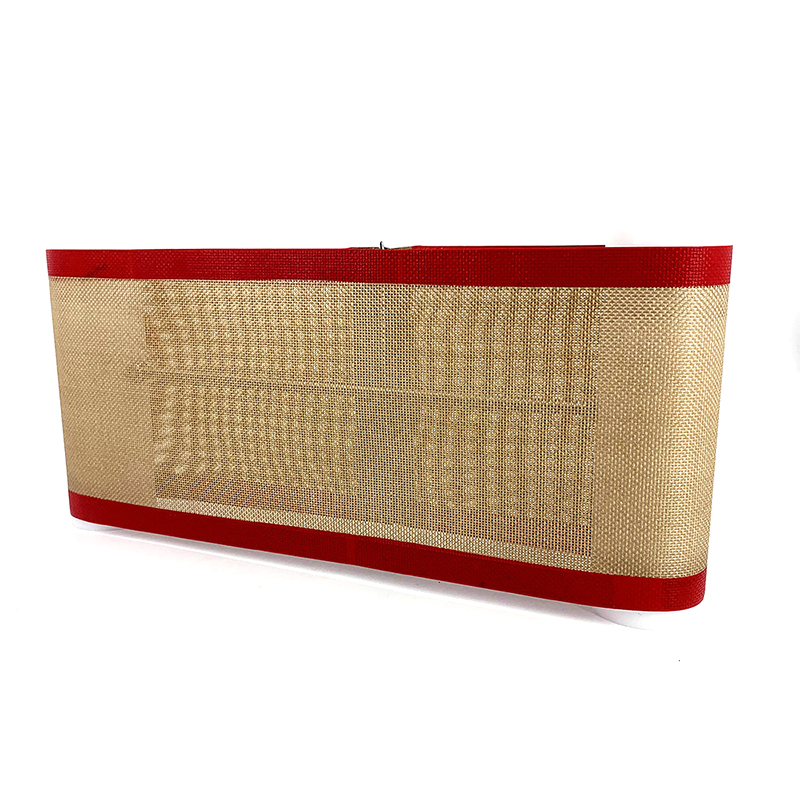
The PTFE coating acts as a matrix that holds the glass yarns together. If the coating is uneven, the thinly covered edge becomes a source for loose filaments. Ask your supplier for a trial roll with the actual slitting method you plan to use, then flex, fold, and pull the edge to confirm that the coating stays bonded. For drying and air-flow applications, an open mesh construction can be produced with tightly closed knuckles and reinforced edges.
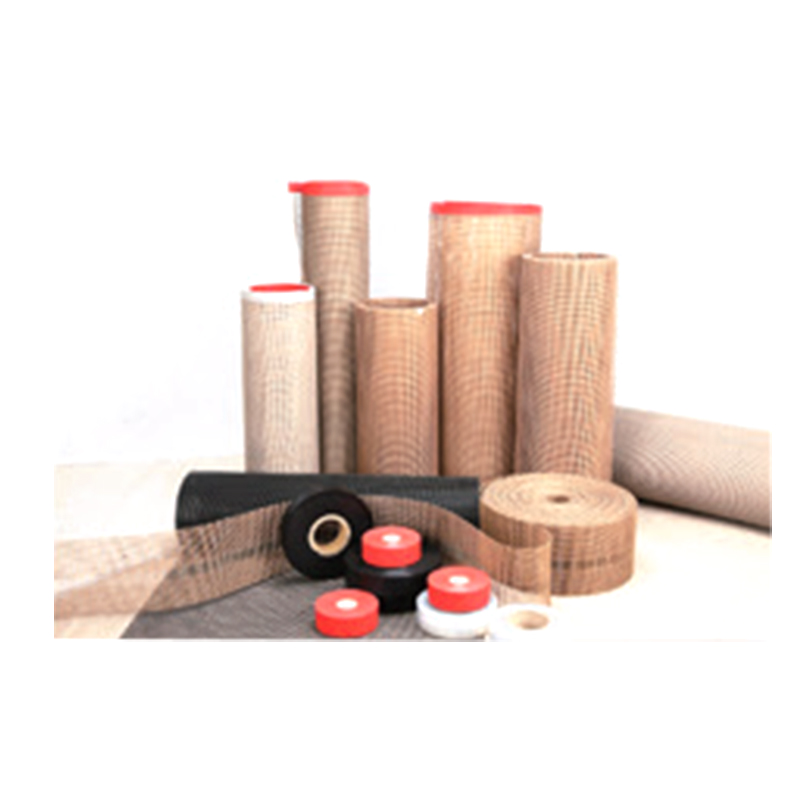 PTFE Coated Open Mesh Fabric for Airflow Drying ApplicationsThis open mesh construction allows efficient air circulation in dryers and conveyors, with options for various mesh sizes and temperature resistance suitable for industrial drying processes.View Product →
Edge construction and finishing
Industrial PTFE coated fabrics are usually available with taped edges, hot-sealed edges, or a dense selvage. Specify an edge treatment whenever the fabric will be handled frequently or slit into narrow widths. A smooth, continuous edge distributes stress and prevents filament pull-out. For more details on specification and selection, see this PTFE coated fiberglass fabric buying guide.
Store Rolls Correctly to Stop Creases Before They Form
Most creases develop during storage because rolls are exposed to pressure, temperature changes, or poor support. A heavy roll placed on its end can crush the lower layers and create permanent edge deformation.
- Store horizontal on a full-width support, not on the roll's end face.
- Keep the original packaging intact until the roll is ready to use.
- Protect the roll from direct sunlight, humidity, and rapid temperature swings.
- Limit stacking height and place a flat, rigid board between layers to distribute weight.
- Follow a first-in, first-out rotation to avoid prolonged pressure on one area.
A clean, dry, temperature-stable room is ideal. Although PTFE is chemically stable, the coating and glass substrate are still sensitive to mechanical abuse.
Unroll and Handle the Fabric Without Sharp Bends
The time between opening a roll and placing it into machine position is high risk for creasing. A sharp bend can exceed the fabric's flexibility and leave a fold that cannot be pulled out later.
- Lift the roll with a full-width mandrel or lifting sling placed at both ends.
- Unwind from a proper roll stand with brake tension held evenly across the web.
- Guide the fabric over large-diameter rollers; avoid sharp angles and small pin bars.
- Keep the web aligned with the roller axis so side-to-side slipping does not create wrinkles.
- If the web sags in the center, increase tension gradually instead of pushing the center by hand.
Never pull the fabric from one edge or allow it to drag on a concrete floor. Abrasion during these steps often turns a healthy edge into a frayed one.
Cut and Slit With Care to Control Edge Fraying
Slitting a wide roll into narrower widths creates fresh, exposed edges. How the cut is made decides whether those edges stay clean or begin to fray immediately.
- Use a heated knife, hot wire, or ultrasonic slitter whenever possible. The heat melts the PTFE slightly and seals the cut filaments together.
- For cold cutting, use a sharp rotary blade and change it before it begins to tear filaments.
- Avoid passing the blade back and forth over the same cut line.
- Check the edge after slitting: it should be clean, with no fuzzy filament clusters.
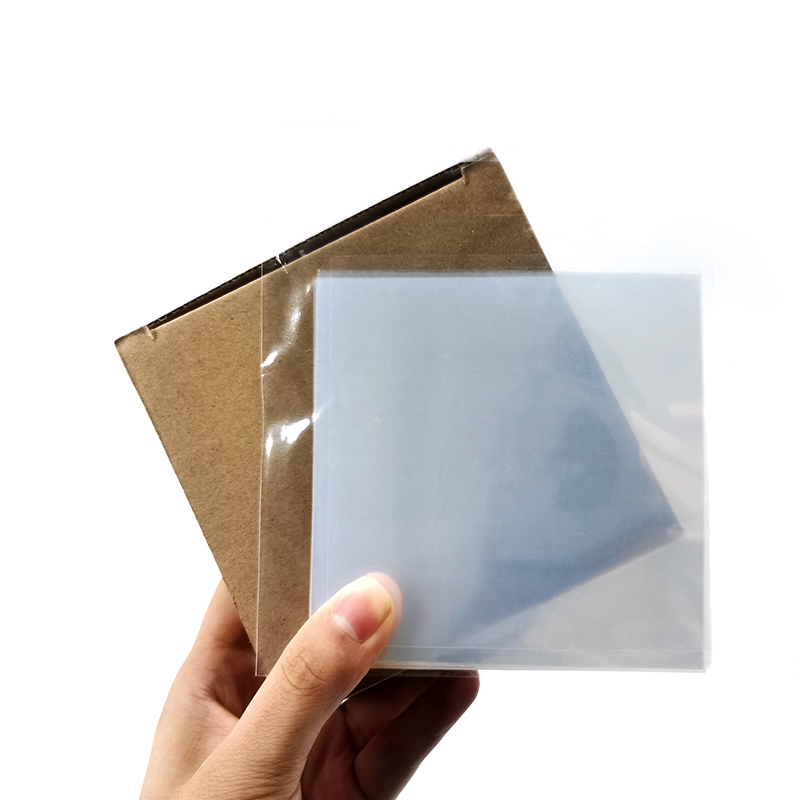
For applications that need one smooth side for release and one receptive side for bonding, a single-side coated glass fabric can help by limiting coating accumulation at the cut edge and keeping handling easier during conversion.
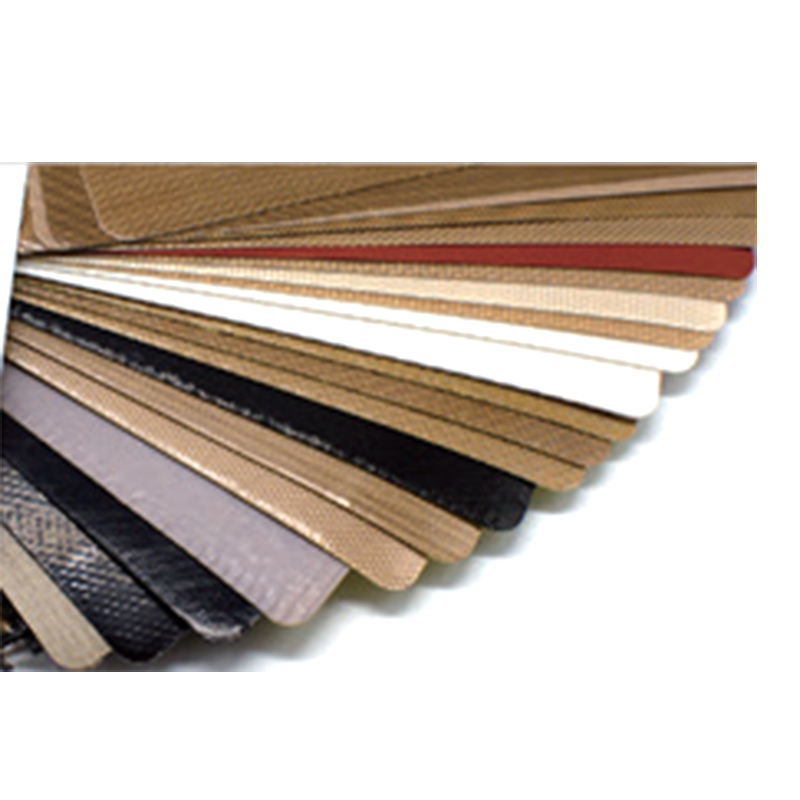 Single Side Coated PTFE Fiberglass FabricWith PTFE on only one side, this fabric provides a smooth release surface while retaining the natural glass side for bonding, available in many thicknesses and anti-static versions.View Product →
Install Carefully and Control Tension During Operation
Once the fabric is in a conveyor, dryer, or press, edge fraying is frequently a sign of localized abrasion or misalignment. Creasing in operation usually means the tension profile is uneven or the fabric is running against a surface with too much friction.
- Align all rollers, pulleys, and expanding bars to keep the fabric flat across the full width.
- Set tension so that the fabric does not sag in the middle but is not stretched beyond its recommended load.
- Install side guides or edge sensors to stop lateral drift before it grinds the edge.
- Use protective films or release liners if the fabric must pass over stationary guides.
- For spliced endless belts, place the splice parallel to the edge and trim any protruding reinforcement.
Inspection intervals should include a visual check of both edges. Early detection gives you time to correct the cause before a small fray becomes a full-width replacement.
Repair Small Edge Defects Before They Grow
When edge fraying is discovered early, it can usually be stopped. First, remove only the loose filaments with sharp scissors. Then protect the raw edge with a high-temperature PTFE pressure-sensitive tape or a compatible sealant recommended by the supplier. The goal is to keep moisture, debris, and moving parts from catching the glass yarns.
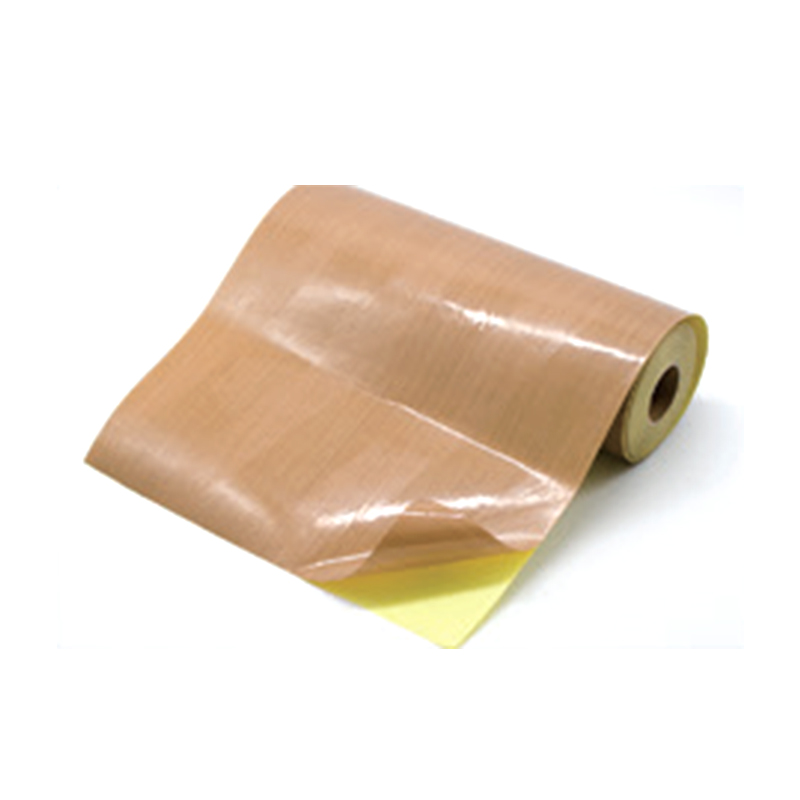
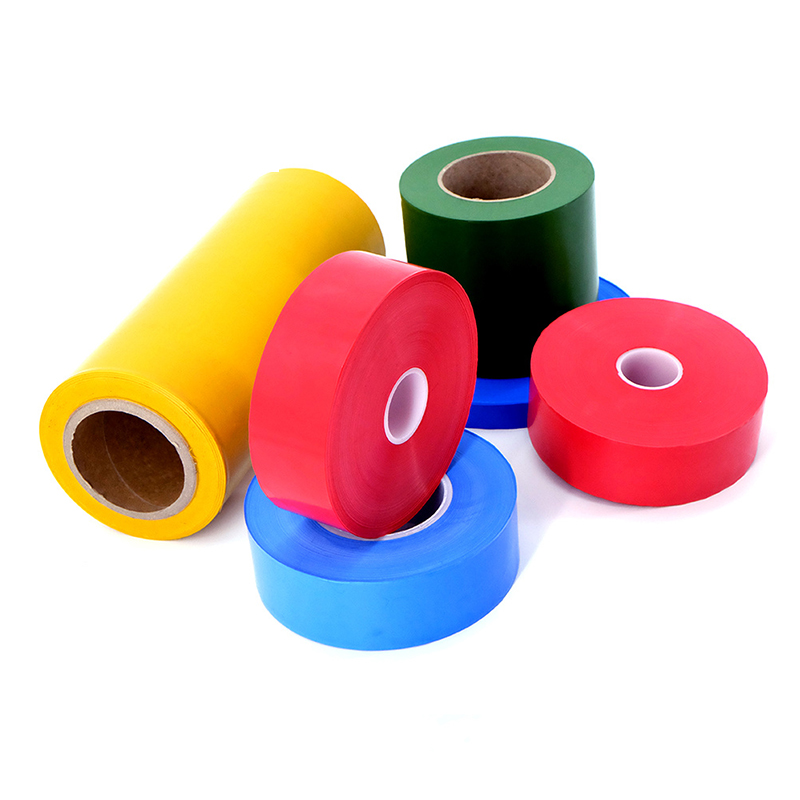
For temporary protection during handling and installation, a silicone adhesive PTFE tape can be applied along the edge to reduce friction and prevent filament pull-out.
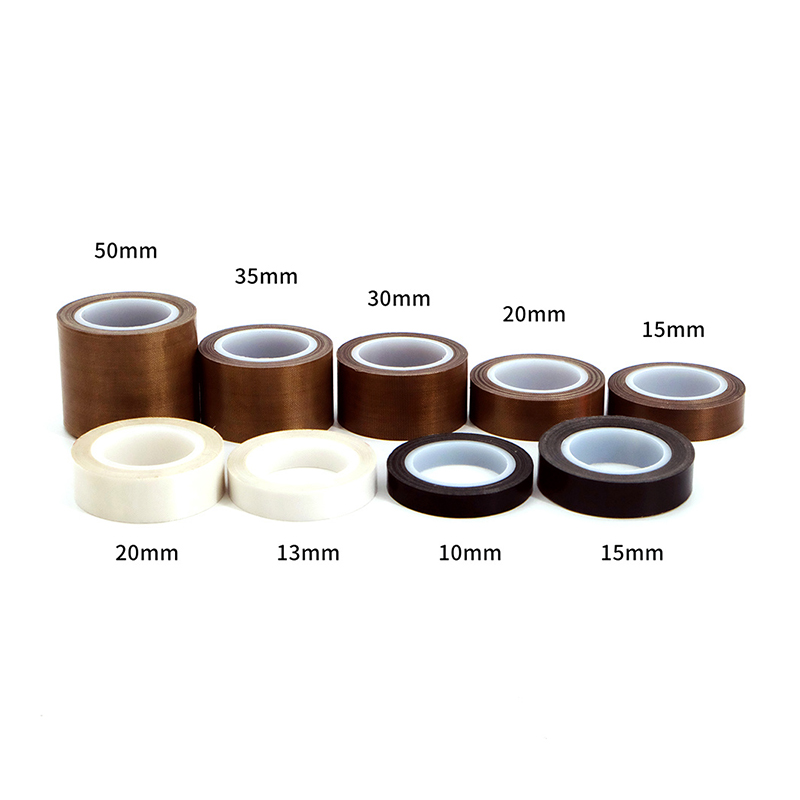 PTFE Tape with Silicone Adhesive for Edge ProtectionThis tape offers a temporary protective layer for fabric edges, reducing friction and preventing filament pull-out during handling and installation, with heat resistance up to 260°C.View Product →
After any repair, monitor the same spot on the next shift. If the fraying returns quickly, the cause is not the edge itself but an external abrasive contact.
A Practical Prevention Checklist
- Confirm the edge finish before production or conversion begins.
- Store rolls horizontal, away from pressure and end-loading.
- Use large-diameter rollers and balanced tension during unrolling.
- Slit with heat or with a sharp blade that does not drag filaments.
- Inspect edges at every shift change and after each slitting operation.
- Protect or repair damaged edges immediately to stop the damage from spreading.
Review the industrial PTFE coated fabric range before deciding on weave, coating, and edge finish.
Frequently Asked Questions
Q1: What is the best way to store PTFE coated fabric rolls?
Store them horizontally on a full-width support in a clean, dry area. Keep original packaging intact and avoid heavy stacking or pressure on the roll edges.
Q2: Can a crease be removed from PTFE coated fabric?
Once a sharp fold has formed in a coated fabric, it is very difficult to remove completely. Flat pressing may reduce the visible line, but the coating and glass fibers have already been stressed. Prevention is more reliable than repair.
Q3: What causes edge fraying after slitting?
Most fraying after slitting comes from a dull blade, an unprotected cut edge, or excessive tension on the trim side. A clean, hot slit edge and proper edge reinforcement can significantly reduce loose filaments.
Q4: Is PTFE tape a permanent solution for edge fraying?
PTFE tape is usually a temporary protection, not a structural repair. It is useful for shielding an edge during installation or short production runs, but for long-term service the fabric should be selected with the right edge finish from the start.
Message Us Right Now!

- Phone: +86-18651171105
- Fax: +86-18651171105
- Email: yaxing@yaxing.com
- Address: No. 18, Yongxin East Road, Gaogang District, Taizhou City, Jiangsu Province, China.
Copyright © Yaxing Plastic Industry Co., Ltd. All Rights Reserved. Custom High-End Precision PTFE Series Products Manufacturers 