

 English
 Español
 русский
PTFE Fiberglass Fabric Uses: Heat Shields, Insulation, Sealing, and More
When a chemical plant purchasing manager searches for gaskets for heat exchangers, a welding shop supervisor needs welding protective blankets, or a food factory production head looks for non-stick conveyor belts, PTFE fiberglass fabric often becomes the same answer. This composite material uses glass fiber fabric as its skeleton and PTFE coating as the surface layer. It can work continuously at 260°C, withstand short-term peaks around 320°C, and has a friction coefficient of 0.05-0.10. It is nearly inert to acids, alkalis, and solvents. Taizhou Yaxing Plastic Industry Co., Ltd. has been in the fluoroplastics industry for more than 20 years and supplies PTFE fiberglass fabric in thicknesses from 0.08 mm to 1.0 mm and widths from 1.0 m to 3.2 m, with complete coating, drying, and sintering processes. This guide explains from principles to material selection.
Content
- 1 What Are the Main Uses of PTFE Fiberglass Fabric in Industry?
- 2 Why Can PTFE Fiberglass Fabric Withstand Heat and Corrosion?
- 3 Industrial Heat Protection and Insulation: Real Applications and Material Specs
- 4 Electrical Insulation and Non-Stick Food Applications: Two Real Scenarios
- 5 Sealing, Gaskets, and Chemical Corrosion Prevention: Selecting PTFE Fiberglass Fabric
- 6 How to Choose the Right Specifications: A Purchasing Checklist
- 7 FAQ
What Are the Main Uses of PTFE Fiberglass Fabric in Industry?
The five core uses are industrial heat protection, electrical insulation, non-stick food processing, gasket sealing, and chemical corrosion isolation. All of these rely on the same combination of properties: heat resistance, non-stick surface, chemical inertness, and mechanical strength.
- Welding blankets for blocking short-term high-temperature splatter and sparks.
- Motor slot liners providing heat-resistant electrical isolation in generators.
- Oven liners that hold up to repeated baking without becoming brittle.
- Flange gaskets that fit uneven surfaces and resist corrosive media.
- Pipe liners that prevent acid and alkali liquids from penetrating the wall.
These figures come from standard technical data sheets for PTFE fiberglass fabric. Different thicknesses and coating formulations shift the values slightly, but the general range is stable. For dielectric strength, a 0.25 mm double-side coated fabric usually reaches above 20 kV/mm.
Why Can PTFE Fiberglass Fabric Withstand Heat and Corrosion?
The glass fiber skeleton and the PTFE coating complement each other, creating a composite that is heat resistant, chemically inert, and low in friction.
Glass fiber delivers high tensile strength and dimensional stability. The PTFE coating forms a dense film that stops corrosive media from reaching the glass fiber base. The coating process goes through impregnation, drying, and sintering. Sintering temperatures are typically above 350°C, which melts the PTFE resin and fixes it to the glass fiber surface.
Whether you choose single-side or double-side coating matters. Single-side coating keeps the exposed glass side bondable, which is useful when you later need to laminate or adhere the fabric. Double-side coating provides a complete non-stick shield. This is often the first decision point in procurement. Understanding the high-temperature structural stability mechanism helps you predict how the material behaves under repeated thermal cycling.
Industrial Heat Protection and Insulation: Real Applications and Material Specs
In welding, casting, and chemical piping systems, PTFE fiberglass fabric is used as a thermal barrier and insulation layer. This is one of its most direct applications.
Welding blankets usually choose 0.43 mm or thicker dense weave fabric to resist the instantaneous high temperature of welding spatter. Pipe insulation jackets use 0.8 mm or thicker fabric, remaining corrosion resistant even when exposed to rain and humidity. To put numbers on it, welding spatter can generate local temperatures above 500°C within seconds. PTFE fiberglass fabric cannot continuously withstand that heat, but the glass fiber base itself can handle about 700°C, so spatter cools before structural failure. The PTFE coating may slightly decompose on contact, but the barrier function is preserved.
| Application | Suggested Thickness | Fabric Structure | Key Consideration |
| Welding blanket | 0.43-1.0 mm | Dense weave | Wear resistance, short-term heat |
| Pipe insulation jacket | 0.8-1.0 mm | Open mesh or dense | Flexibility, weather resistance |
| Furnace heat shield | 0.25-0.5 mm | Plain weave | Dimensional stability, low off-gassing |
Electrical Insulation and Non-Stick Food Applications: Two Real Scenarios
Motor slot liners and oven liners are two typical applications that rely on PTFE fiberglass fabric’s heat resistance, non-stick surface, and insulating properties.
For electrical insulation, 0.08 mm to 0.25 mm single-side or double-side coated fabric is used in F-class (155°C) or H-class (180°C) systems. The dielectric strength requirement is usually above 15 kV/mm. The fabric’s high tensile strength helps prevent tearing during winding and insertion.
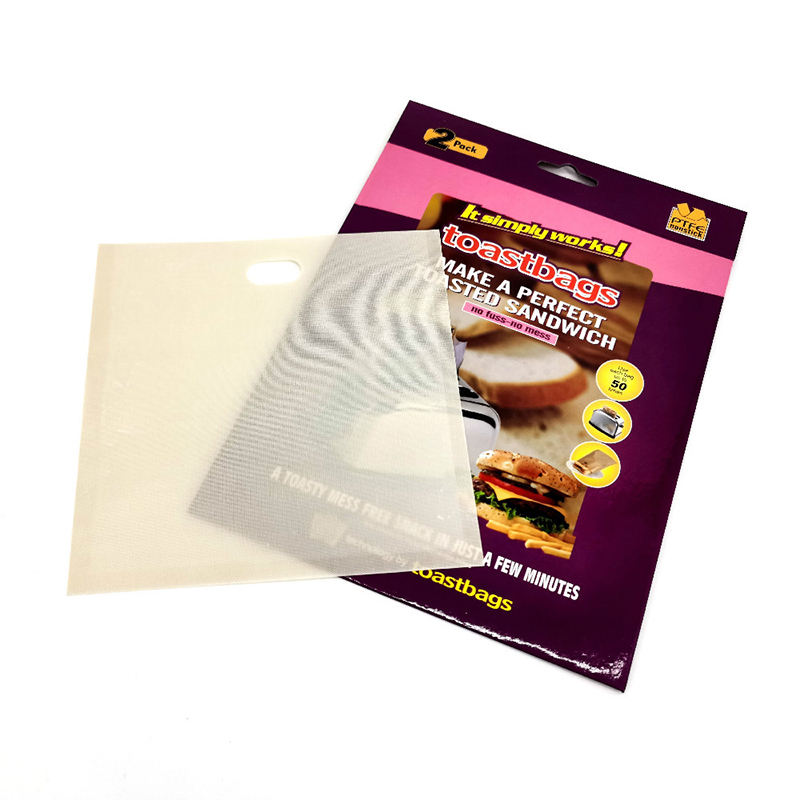
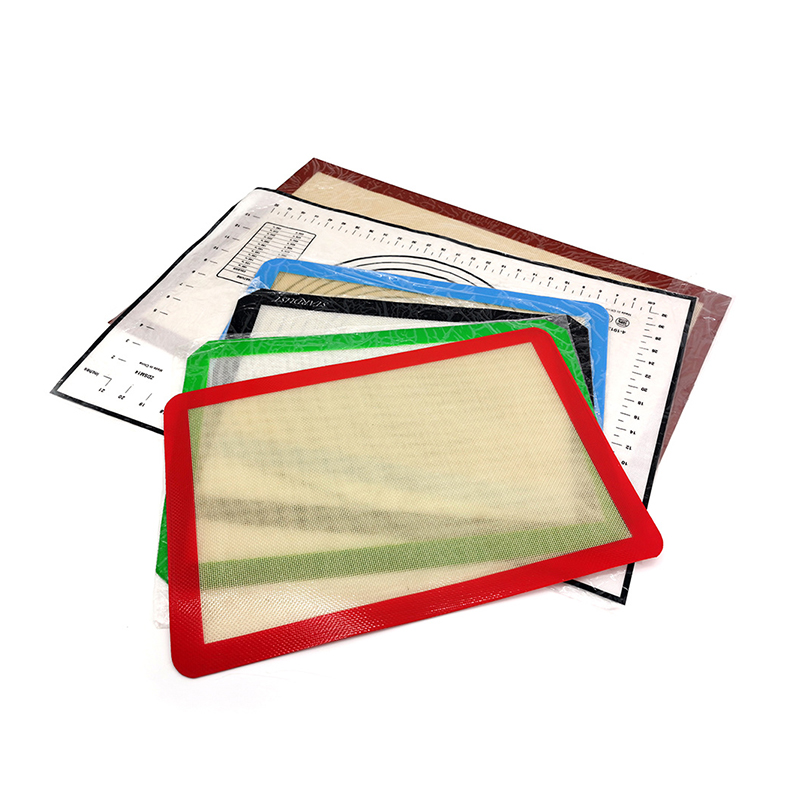
For food processing, oven liners and baking mats focus on non-stick performance and food-grade safety. Taizhou Yaxing Plastic Industry Co., Ltd. offers a single-side coated glass fabric that allows the uncoated side to be bonded to a backing sheet, while the food-contact side has a full PTFE layer meeting FDA or LFGB standards. Double-side coated baking mats can be reused more than 2,000 times, unlike disposable parchment paper, which must be replaced frequently.
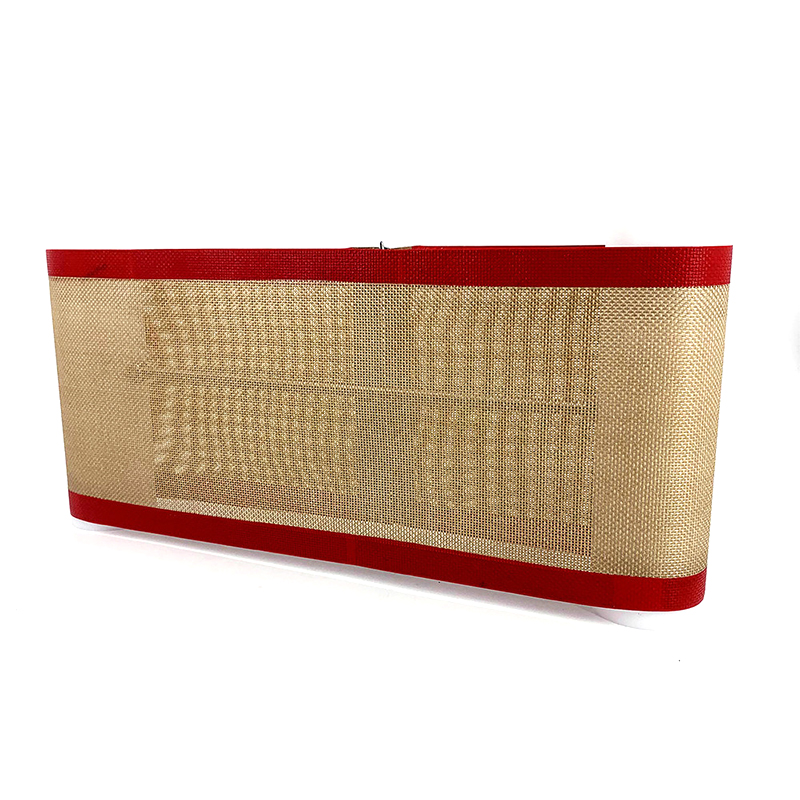
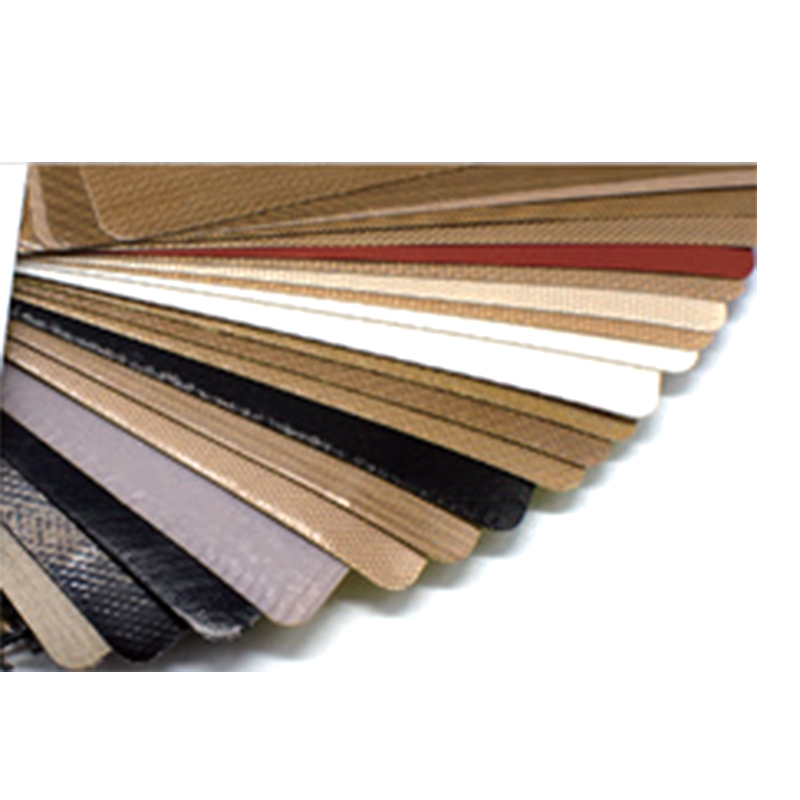 PTFE Single-Side Coated Glass Fabric for Food-Grade Non-Stick ApplicationsThis single-side coated fabric leaves one side uncoated for bonding, while the food-contact side meets FDA or LFGB standards. It suits oven liners and baking mats, offering reusable non-stick performance.View Product →
Sealing, Gaskets, and Chemical Corrosion Prevention: Selecting PTFE Fiberglass Fabric
In flange seals, heat exchanger gaskets, and chemical corrosion liners, the main value of PTFE fiberglass fabric is corrosion resistance and flexible fit.
Thick fabric gaskets can fill small surface imperfections on flange faces, maintaining a seal during temperature swings and vibration. Etched surfaces further improve bonding to the sealing face, which matters in pressure-fluctuating systems. For storage tanks and piping liners, PTFE fiberglass fabric provides a strong anti-permeation layer. Thickness above 0.8 mm with double-side coating significantly reduces the rate at which chemical media penetrate to the glass fiber base. Compared with pure PTFE sheet, the fiberglass-reinforced version has much better creep resistance and will not gradually thin or shift under long-term pressure.
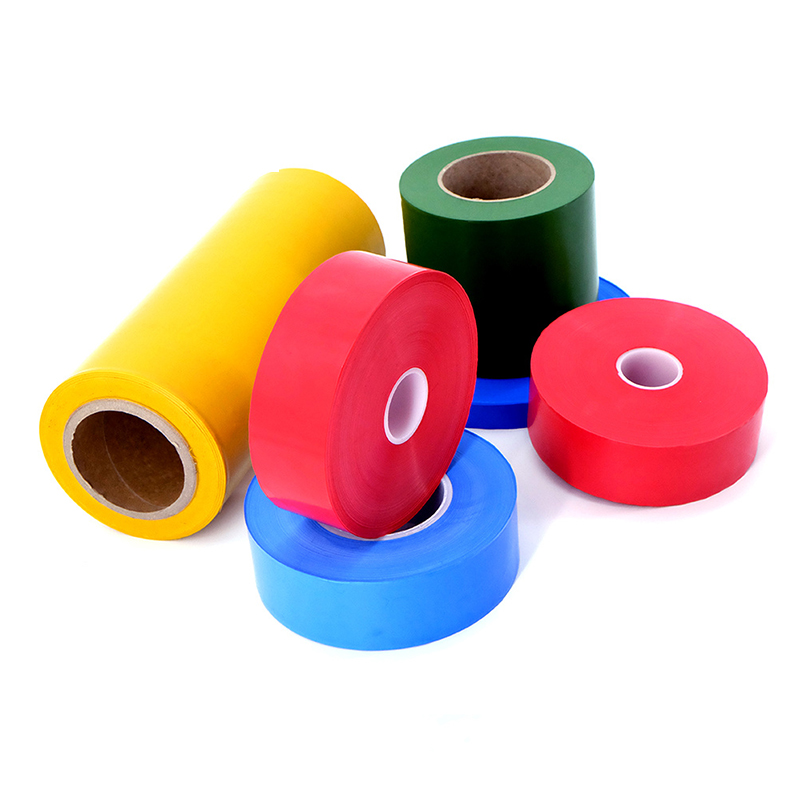
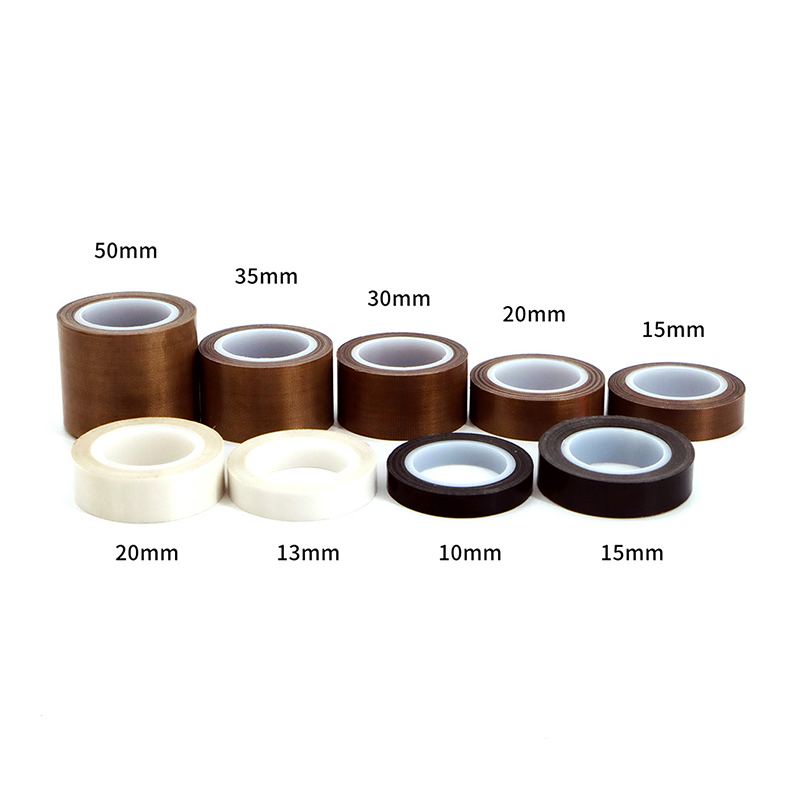 PTFE Tape with Silicone Adhesive for Heat Sealing and Release SurfacesWith continuous service from -70°C to 260°C, this tape provides a non-stick release surface for heat sealing machines, drying cylinders, and chutes. Anti-static and black UV-resistant versions are available.View Product →
How to Choose the Right Specifications: A Purchasing Checklist
Start by confirming coating side and thickness, then match surface treatment to the operating temperature, contact media, and production process.
For electrical insulation, 0.08-0.25 mm single-side or double-side products are usually enough. For food contact or heat protection, double-side coating is the safer choice. Thick 0.8-1.0 mm products appear mostly in sealing and insulation liner scenarios because they are more elastic and have better anti-permeation performance.
On base fabric structure, open mesh suits ventilation and drying conveyor needs; plain weave gives the best dimensional stability; satin weave is softer and adapts to irregular shapes. Width selection should follow the equipment size to avoid unnecessary seams. If bonding or printing is required, choose an etched surface and confirm the adhesion strength beforehand.
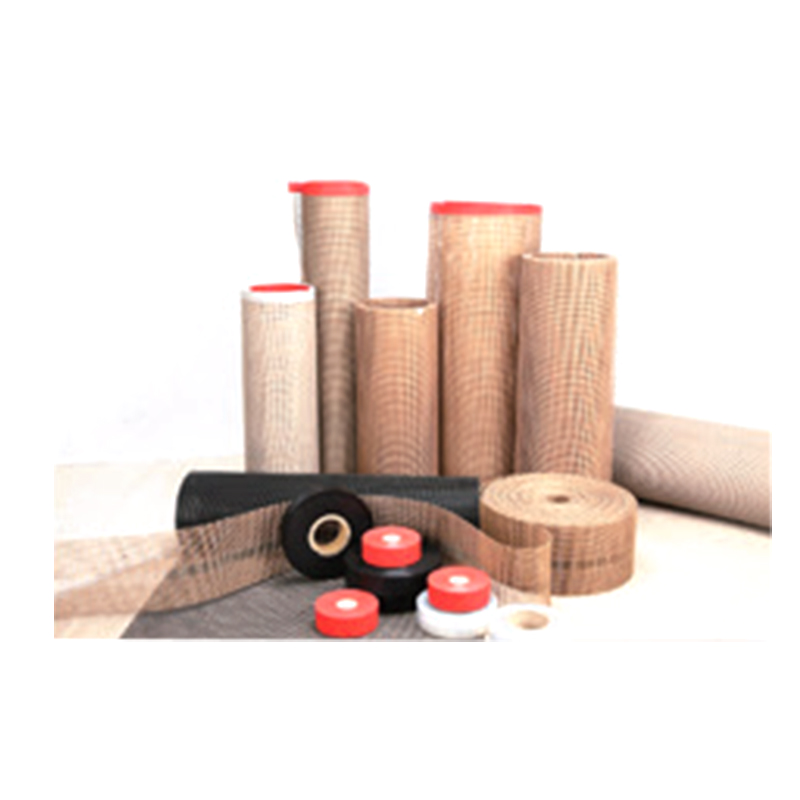 PTFE Coated Open Mesh Fabrics for Efficient Airflow Drying ConveyorsDesigned for air distribution systems, the open mesh allows optimized moisture removal, making it ideal for drying printed products, non-wovens, and carpets. It operates from -70°C to 260°C and is FDA compliant.View Product →
FAQ
How high a temperature can PTFE fiberglass fabric withstand?
Continuous working temperature reaches 260°C, with short-term peaks around 320°C. PTFE itself melts at about 327°C, and above 260°C it gradually releases trace gases, so long-term exposure should stay below the continuous rating.
Is PTFE fiberglass fabric safe for food contact?
Yes, but the coating must have food-grade certification such as FDA or LFGB, and it must fully cover the glass fiber gaps. For food-contact products, choose double-side coating to reduce the risk of fiber exposure.
What is the difference between PTFE fiberglass fabric and silicone fabric?
PTFE fiberglass is smoother, has a higher temperature limit, and is more chemically inert. Silicone fabric is softer and more elastic, but its continuous temperature limit is usually below 260°C and its non-stick performance is weaker than PTFE.
Can PTFE fiberglass fabric be bonded or printed?
Regular PTFE fiberglass fabric is extremely difficult to bond. For bonding requirements, choose etched or single-side coated products, where surface roughening improves adhesion. Printing is also possible on the etched side, but the coated side remains non-stick.
Message Us Right Now!

- Phone: +86-18651171105
- Fax: +86-18651171105
- Email: yaxing@yaxing.com
- Address: No. 18, Yongxin East Road, Gaogang District, Taizhou City, Jiangsu Province, China.
Copyright © Yaxing Plastic Industry Co., Ltd. All Rights Reserved. Custom High-End Precision PTFE Series Products Manufacturers 