

 English
 Español
 русский
PTFE Film vs FEP Film: Key Differences in Temperature, Clarity, and Use Cases
On a resin 3D printer, the release film must stay optically clear while flexing hundreds of times under the weight of cured parts, and that job usually falls to FEP film. On a chemical sealing line, a gasket needs to survive 260°C continuous exposure and aggressive solvents, so PTFE film is the standard. Both are fluoropolymers, but the practical difference between PTFE film and FEP film comes down to processing method, temperature ceiling, optical clarity, and cost. In practice, the wrong film shows up as haze, cracked release surfaces, or failed seals.
Content
- 1 What PTFE Film and FEP Film Are: Brief Definitions
- 2 Processing Difference: Skived PTFE vs Melt-Extruded FEP
- 3 Temperature Limit: PTFE Film vs FEP Film
- 4 Optical Clarity: FEP Is Clear, PTFE Is Opaque
- 5 Chemical Resistance and Bonding: Etched PTFE vs FEP
- 6 Practical Applications: Where Each Film Is Used
- 7 How to Select the Right Film in 4 Steps
- 8 FAQ
What PTFE Film and FEP Film Are: Brief Definitions
PTFE film is a polytetrafluoroethylene film made by skiving a pre-sintered billet, and FEP film is a melt-extruded film made from fluorinated ethylene propylene copolymer.
Core definitions
PTFE film is an opaque-to-translucent fluoroplastic that survives long-term at 260°C and resists almost every acid, base, and solvent. FEP film is a translucent-to-clear thermoplastic with a melting point near 260°C, a continuous service limit of 205°C, and the ability to be melted and reflowed.
The molecular difference is the key. PTFE is a linear chain of carbon and fluorine atoms with no side branches. FEP introduces a small amount of hexafluoropropylene comonomer, which creates methyl branches along the chain. Those branches disrupt crystal packing, lower the crystalline melting point from about 327°C to roughly 260°C, and allow FEP to flow through a die as a true melt. That is why the two films never behave the same way even though they share a fluorine-rich backbone.
Processing Difference: Skived PTFE vs Melt-Extruded FEP
PTFE film is skived from a sintered billet, while FEP film is melt-extruded directly.
PTFE has an extremely high melt viscosity, far too high for conventional extrusion. Manufacturers compress PTFE powder into a billet, sinter it near 380°C, then peel a continuous sheet on a lathe. Taizhou Yaxing Plastic Industry Co., Ltd. calls this skived PTFE virgin film. The result is a slightly rough, naturally white film with good tensile strength across a wide temperature range.
FEP, by contrast, turns into a low-viscosity melt above 265°C and extrudes through a die into a smooth, uniform film. The extruded surface has no microvoids, and the film can be produced at lower gauges with tighter thickness tolerance.
| Feature | PTFE Film | FEP Film |
| Primary process | Skiving from sintered billet | Melt extrusion |
| Melt flow | Not melt-processable | Melt-processable |
| Typical thickness | 0.03 to 2.0 mm | 25 to 200 microns |
| Surface finish | Slightly rough | Smooth, glossy |
| Etching | Required for adhesive bonding | Not usually required |
Temperature Limit: PTFE Film vs FEP Film
PTFE film tolerates 260°C continuous service; FEP film tops out at 205°C.
That 55°C gap is the main reason engineers reach for PTFE film in hot processes. Above 205°C, FEP begins to soften and creep. Above 260°C, it loses dimensional stability and can haze. PTFE film stays structurally sound at 260°C and handles brief excursions even higher, though prolonged exposure above 300°C degrades any fluoropolymer.
If your process includes heat sealing, lamination, or hot-air drying above 220°C, PTFE film is the safer choice. FEP still works in most electronics, release, and 3D printing applications, where operating temperatures stay below 160°C. Many users confirm this when they swap a PTFE release sheet into a gasket line and stop seeing edge curling after the first heating cycle.
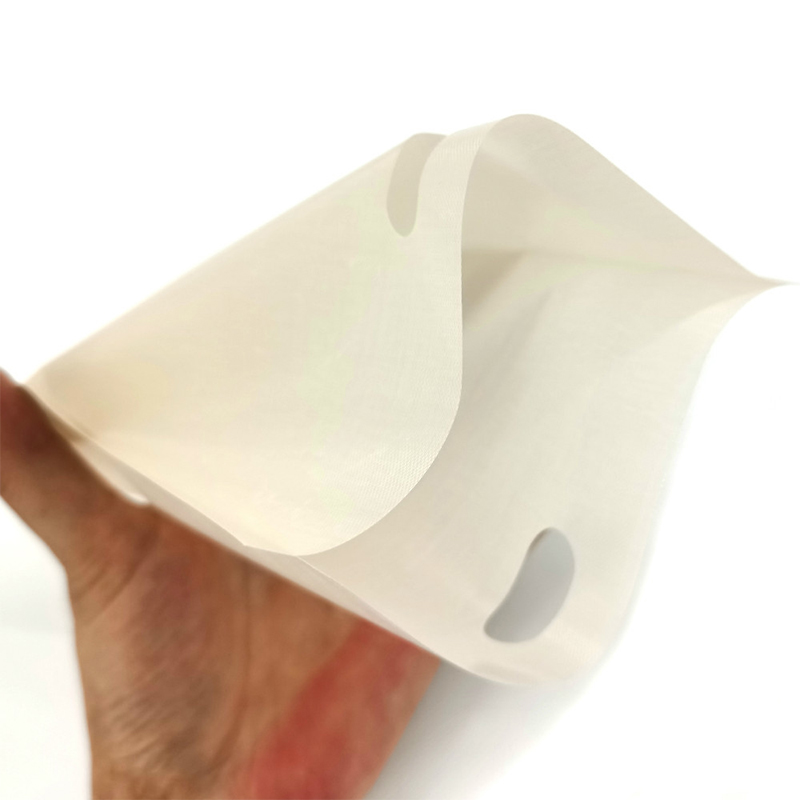 Skived PTFE Virgin Films for Precision Thickness and High-Temperature UseSkived PTFE virgin films offer tight thickness tolerances and a smooth surface finish, suitable for electronic insulation, seals, gaskets, medical devices, and release liners where chemical resistance and low friction are required.View Product →
Optical Clarity: FEP Is Clear, PTFE Is Opaque
FEP film is the clearest fluoropolymer film, while skived PTFE film looks milky in thick gauges.
That difference is obvious to the naked eye. FEP film transmits about 96% of visible light in thin gauges. Skived PTFE film transmits roughly 80 to 90% in thin films and becomes significantly more translucent as thickness increases. The cause is crystallinity and surface texture: PTFE skived film has a micro-textured surface that scatters light, while FEP melt extrusion produces a smooth, dense surface.
For resin 3D printers, this is why FEP release film is the default choice. The UV light engine needs a consistent, low-absorption window, and FEP delivers it without yellowing or haze. A 100 m light transmittance FEP film made by Taizhou Yaxing Plastic Industry Co., Ltd. is designed specifically for this role, and its uniform thickness improves printing accuracy for complex structures. This clarity advantage also makes FEP the preferred film for optical windows in sensing equipment.
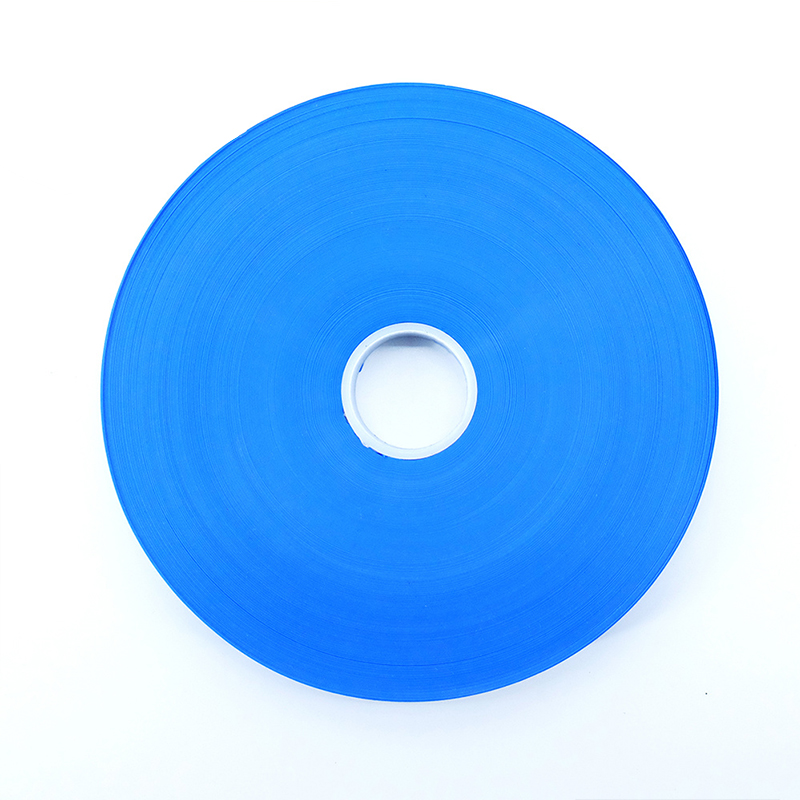 100μm Light Transmittance FEP Film for LCD and DLP 3D PrintingThis 100μm FEP film delivers 96% light transmittance for precise resin curing in LCD and DLP 3D printers, with non-stick properties, chemical resistance, and a wide operating temperature range from -200°C to 200°C.View Product →
Chemical Resistance and Bonding: Etched PTFE vs FEP
Both PTFE and FEP films resist nearly all acids, bases, and solvents, but PTFE needs etching before adhesives will bond to it.
The carbon-fluorine backbone gives both materials excellent inertness. Neither is attacked by sulfuric acid, sodium hydroxide, or common organic solvents, and both absorb less than 0.01% water. However, because standard PTFE is nonpolar and inert, most adhesives and tapes will not wet out its surface. Etched PTFE film is chemically treated to create a rough, reactive surface that accepts epoxies, silicones, and acrylic adhesives.
FEP also has a low-energy surface, so adhesive bonding is difficult without plasma treatment or etching. But FEP's dense, void-free structure makes it more consistent for thin-film electrical insulation and vacuum barrier applications.
When a film is used in a bonding application, the surface treatment matters as much as the base polymer. Etched PTFE film is the reliable route if you need a permanent lamination with an epoxy or acrylic adhesive, while FEP offers a cleaner surface for low-adhesion release jobs.
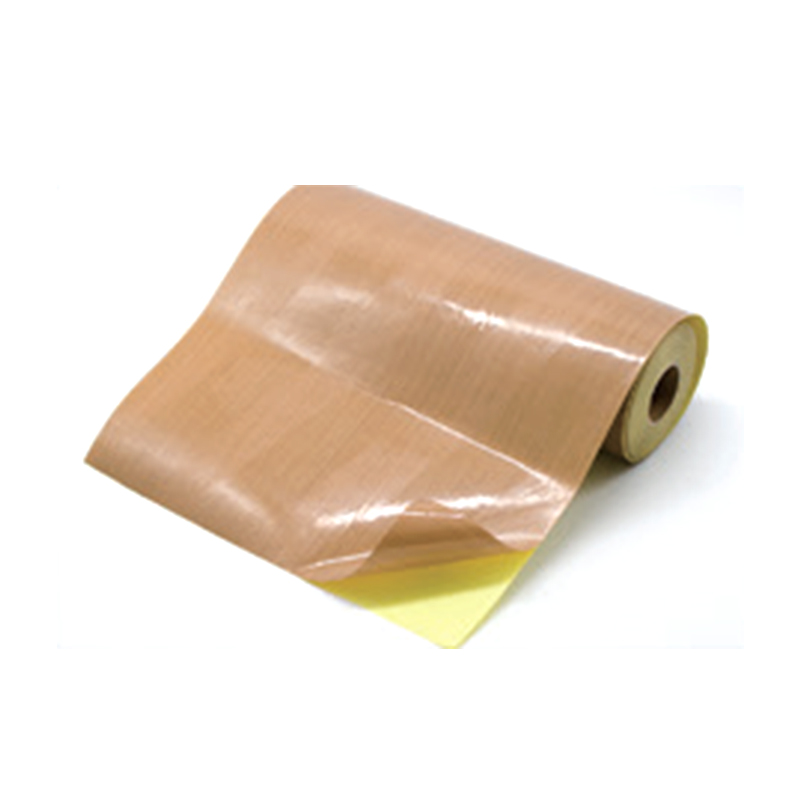
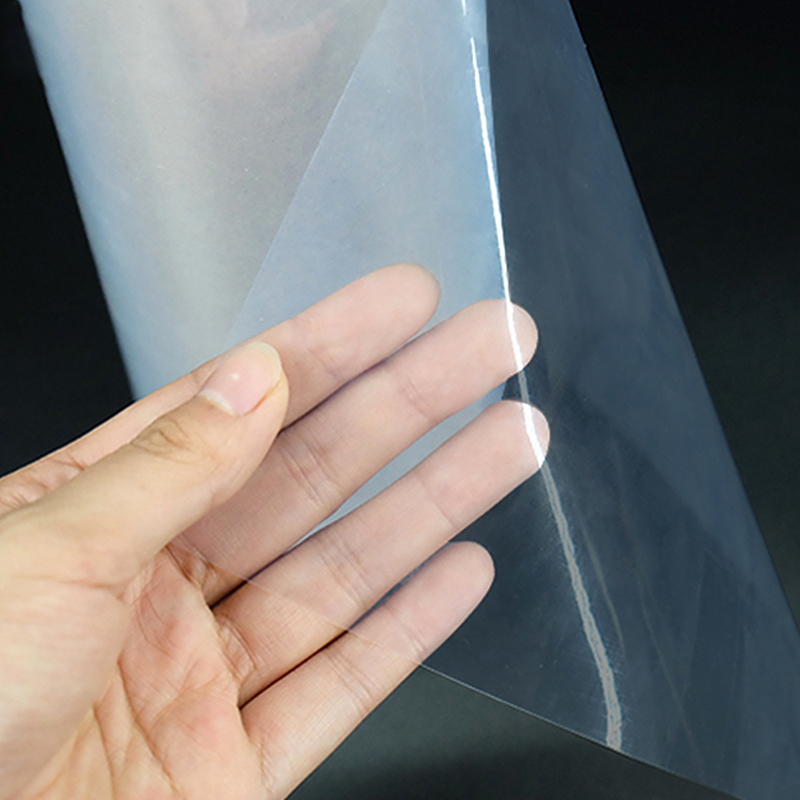 Etched PTFE Film for Adhesive Bonding to Metals and CompositesEtched PTFE film features a sodium naphthalene-treated surface that enables strong adhesion to metals, rubber, and other materials, making it ideal for high-temperature adhesive tapes, PTFE-metal composites, and low-friction sliding applications.View Product →
Practical Applications: Where Each Film Is Used
PTFE film is used where heat and chemistry meet. FEP film is used where transparency and smoothness matter most.
PTFE Film Use Cases
- Heat sealing release sheets
- Electrical coil insulation
- Chemical gaskets and barrier layers
- Laminated filter cloths
FEP Film Use Cases
- Resin 3D printer release film
- Optical windows and protective covers
- Flexible printed circuit release layers
- High-frequency electronics
Etched PTFE film is also used for flexible heaters and bonded industrial membranes, while FEP film appears in medical catheters because of its low dielectric loss and smooth surface. The key is to match the film to the dominant constraint: temperature for PTFE, clarity for FEP.
How to Select the Right Film in 4 Steps
Start with the operating temperature, then decide whether clarity matters, then verify the chemical environment, and finally confirm the need for adhesive bonding.
- Define the maximum continuous service temperature. If the process runs above 205°C, choose PTFE film. Below 205°C, FEP film can be considered.
- Determine whether optical clarity is critical. For 3D printing, optics, or UV-transparent windows, FEP film is the best candidate.
- Check the chemical exposure. Both films resist aggressive media, but if a dense barrier is required, FEP's extruded surface offers consistent protection.
- Decide whether the film must bond to another substrate. If yes, use etched PTFE film or plasma-treated FEP film.
FAQ
Quick answer
PTFE film and FEP film are both fluoropolymer films, but PTFE handles higher temperatures and FEP is clearer and easier to process.
Is FEP film better than PTFE film?
Neither is objectively better. FEP film wins on optical clarity, thickness consistency, and ease of processing. PTFE film wins on upper temperature limit, chemical inertness, and toughness at higher gauges. The right choice depends on which property dominates your process.
Can FEP film be used for resin 3D printers?
Yes. FEP film is the standard release film for LCD and DLP resin printers. It stays transparent over long print times, releases cured resin easily, and resists deformation at normal print temperatures.
Does PTFE film need etching before bonding?
Standard PTFE film is too inert for adhesives to wet out. Etched PTFE film roughens the surface and adds reactive sites, allowing epoxies, silicones, and pressure-sensitive adhesives to bond securely.
What is the cost difference between PTFE and FEP film?
FEP film typically costs more per square meter than skived PTFE film because the FEP resin itself is more expensive and the extrusion line is capital-intensive. The price gap narrows when you include PTFE's etching or secondary handling costs.
Message Us Right Now!

- Phone: +86-18651171105
- Fax: +86-18651171105
- Email: yaxing@yaxing.com
- Address: No. 18, Yongxin East Road, Gaogang District, Taizhou City, Jiangsu Province, China.
Copyright © Yaxing Plastic Industry Co., Ltd. All Rights Reserved. Custom High-End Precision PTFE Series Products Manufacturers 