

 English
 Español
 русский

-
23 Nov’ 2026
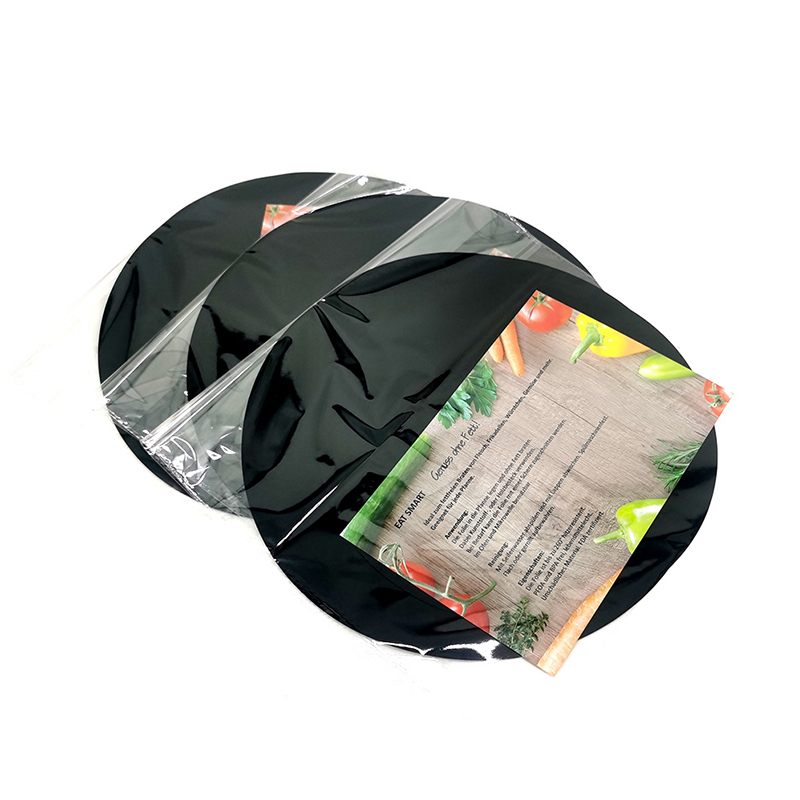
PTFE Open Mesh vs Stainless Steel Wire Mesh Belt: Energy, Weight, and Corrosion
Why Compare PTFE Open Mesh and Stainless Steel Wire Mesh Belts? Conveyor belt selection plays a central role in drying, curing, baking, and material handling lines. Two common options are PTFE open m...
-
16 Nov’ 2026
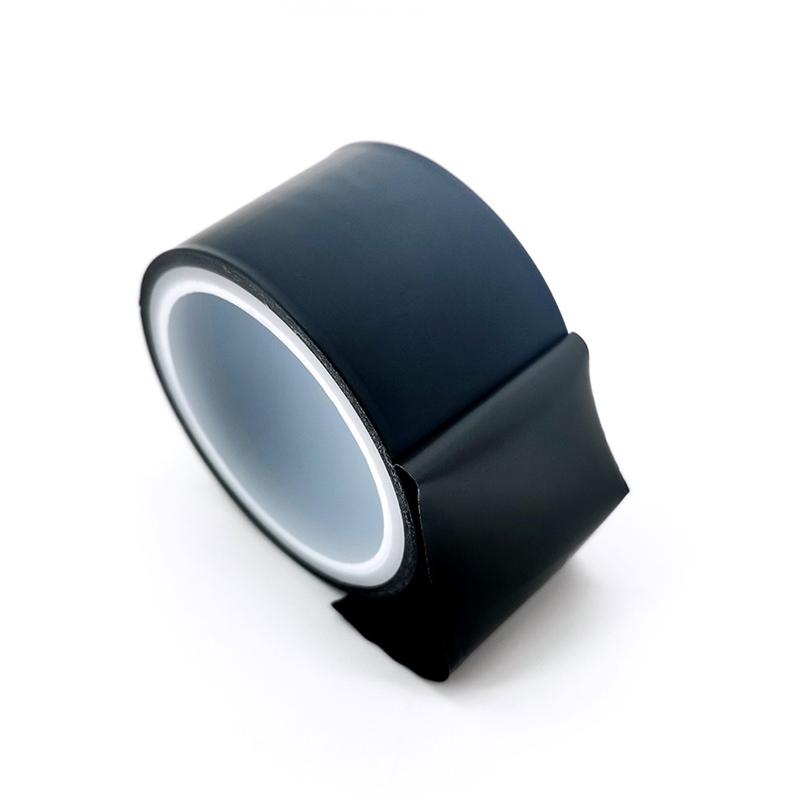
High-Dielectric Skived PTFE Film vs Kapton (PI) Film: Electrical & Thermal Limits
When a component must withstand high voltage and continuous heat, design engineers usually compare two film families: skived PTFE film and polyimide (PI) film, the latter widely known by the trade na...
-
09 Nov’ 2026
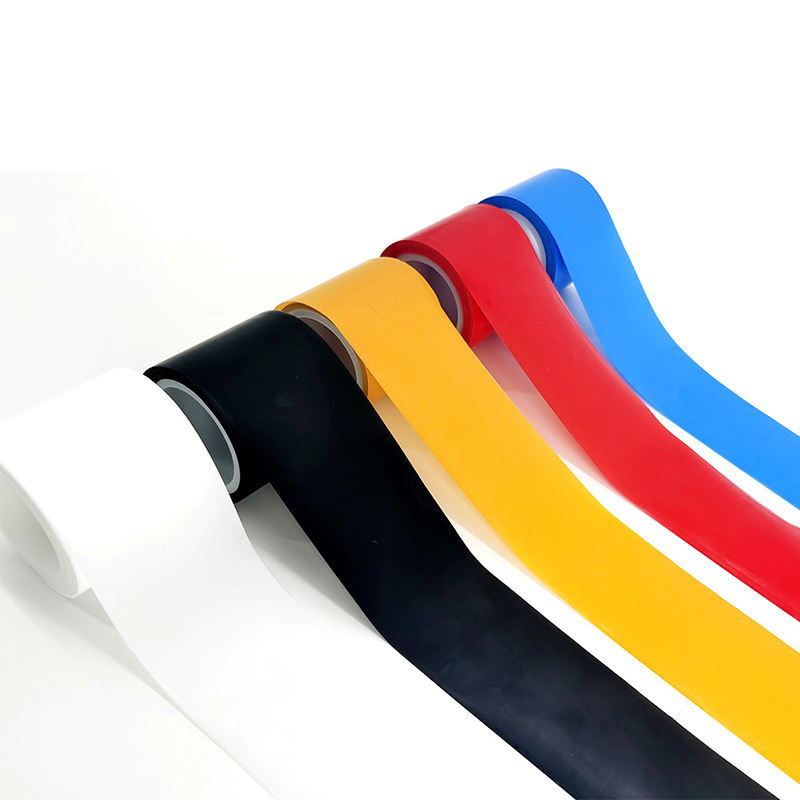
100 μm FEP Film: Light Transmittance Impacts SLA/DLP 3D Printing Accuracy and Speed
Every SLA and DLP resin printer relies on a thin, transparent film at the bottom of the resin vat. This film, usually made of FEP, determines how UV light reaches the resin and how cleanly each cured...
-
05 Nov’ 2026
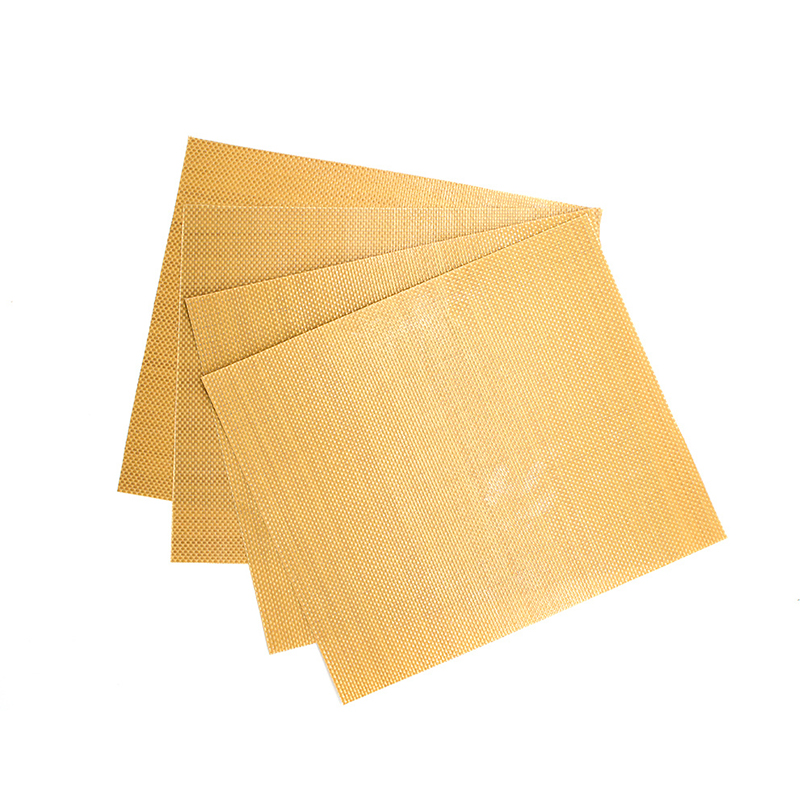
PTFE Coated Aramid Fabric vs. PTFE Glass Fabric: Tear & Flex-Fatigue Life
When an application demands PTFE Coated Aramid Fabric vs. PTFE Glass Fabric, the decision is rarely about PTFE itself. Both fabrics use a PTFE layer to deliver nonstick behavior, low friction, weathe...
-
26 Oct’ 2026
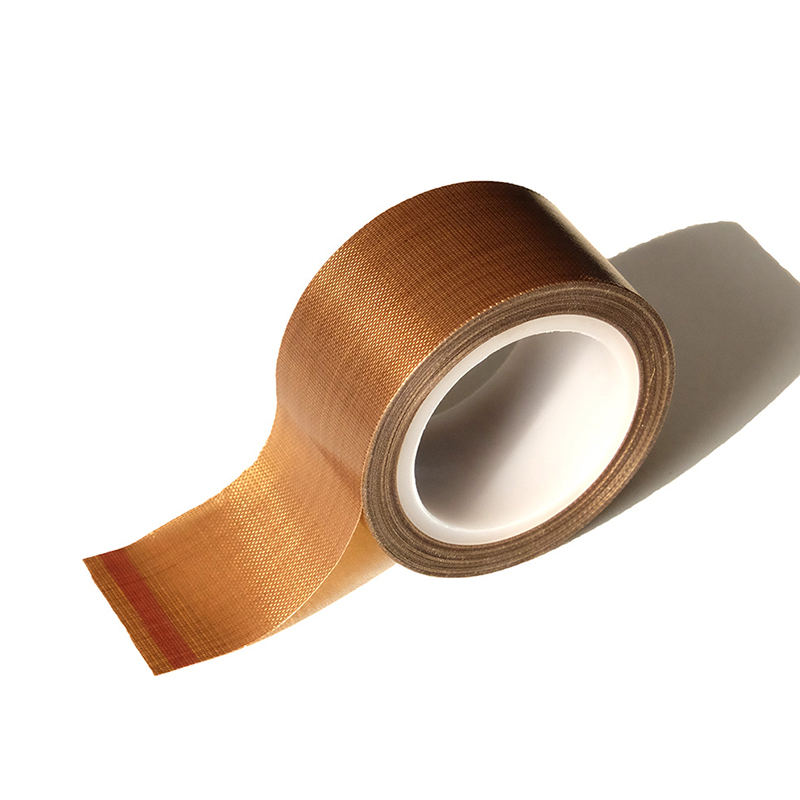
How to Prevent Creasing and Edge Fraying in Industrial PTFE Coated Fabrics
Industrial PTFE coated fabrics are valued for high-temperature stability, non-stick behavior, and chemical resistance. However, creasing and edge fraying can appear during storage, handling, slitting...
-
19 Oct’ 2026
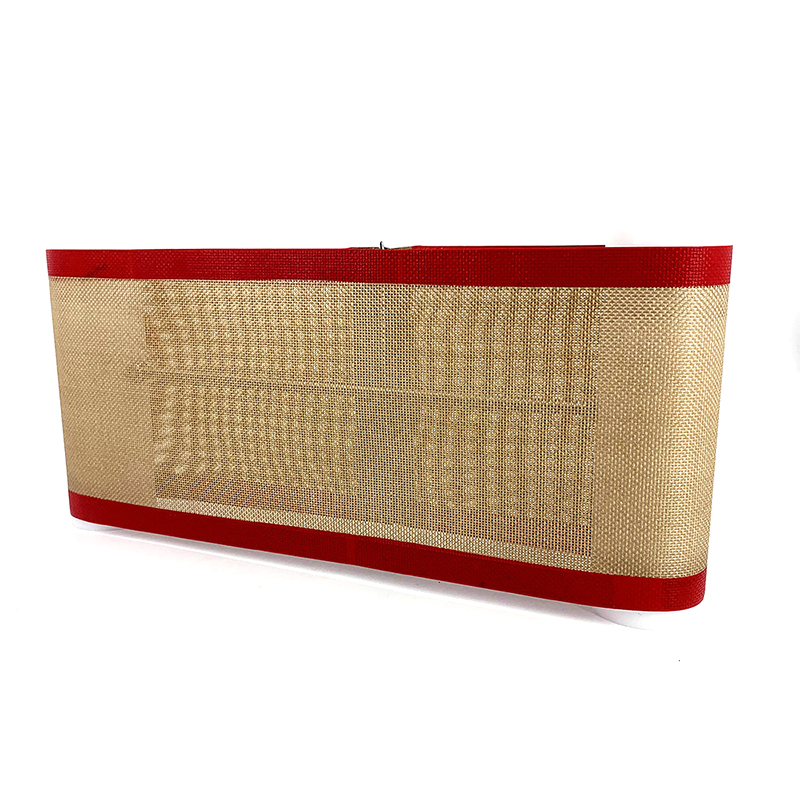
PTFE Coated Open Mesh Fabrics vs Solid PTFE Glass Fabrics: Airflow, Heat, Drying
For engineers and production managers running drying, curing, and continuous coating lines, the choice between PTFE coated open mesh fabrics and solid PTFE glass fabrics is rarely straightforward. Bo...
-
12 Oct’ 2026
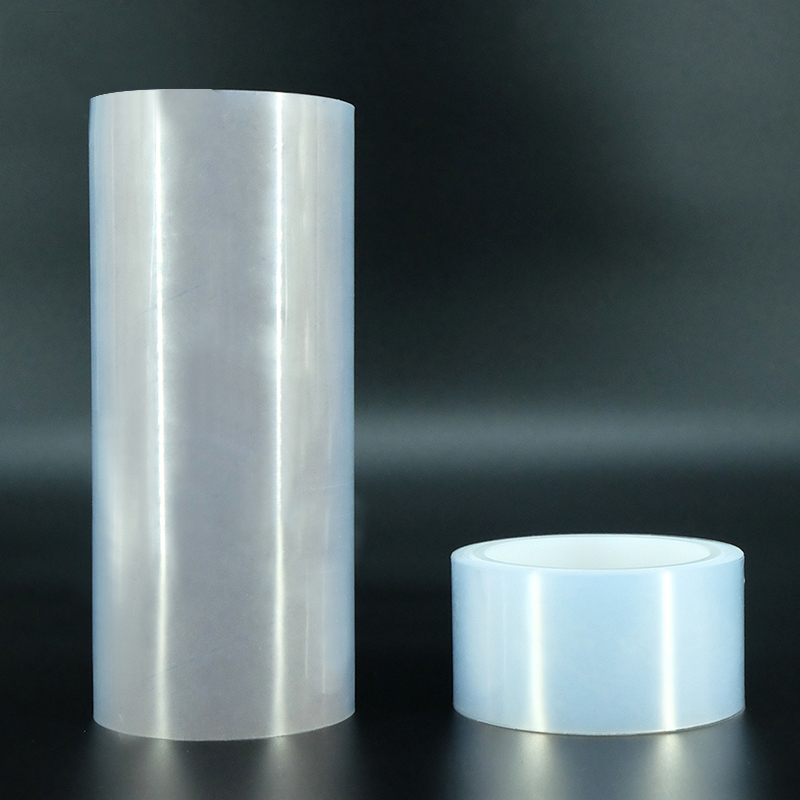
Skived PTFE Virgin vs Etched PTFE Film: Surface Energy, Wetting and Bonding
Engineers and procurement teams frequently ask us to compare skived PTFE virgin film and etched PTFE film. Both products are manufactured from polytetrafluoroethylene, yet they differ fundamentally i...
-
08 Oct’ 2026
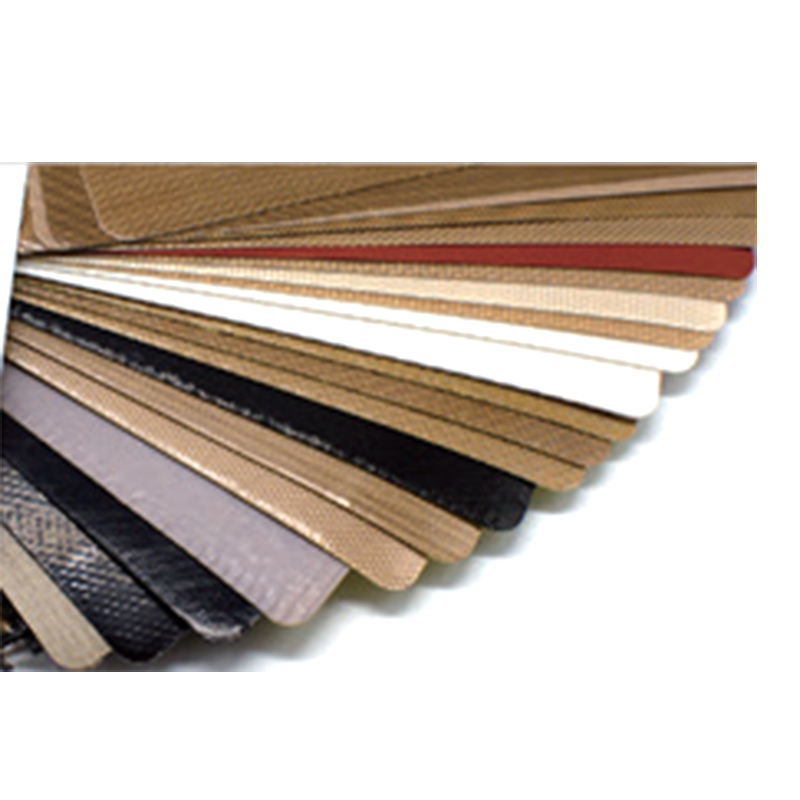
Why PTFE Fiberglass Fabric Has a Non-Stick Surface: Molecular Insights
A rubber gasket molder fights a constant battle against vulcanized rubber attaching to stainless steel. A commercial bakery burns through hundreds of parchment sheets per shift. A composite workshop...
-
01 Oct’ 2026
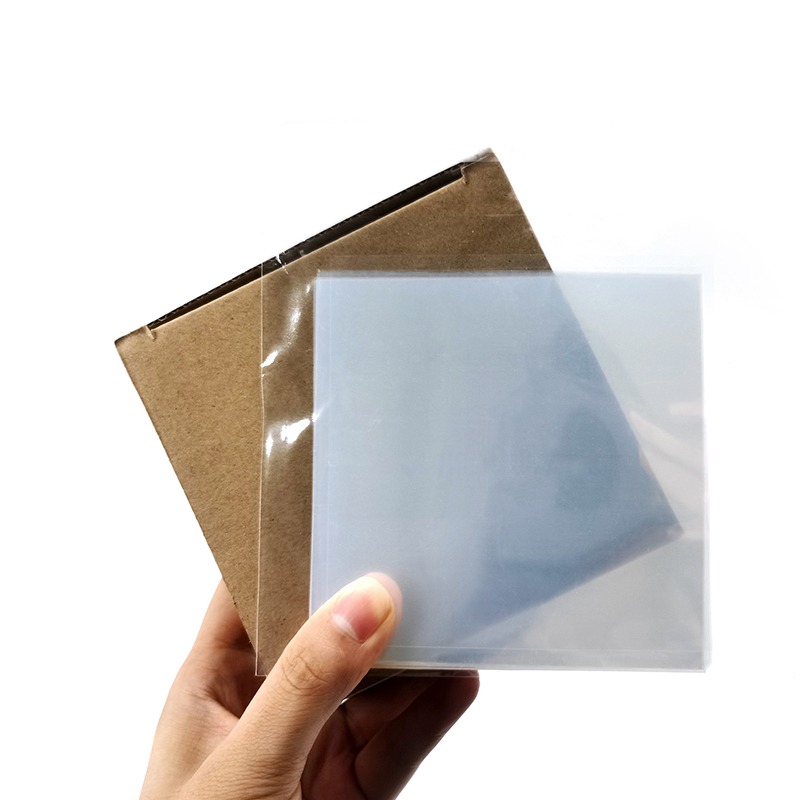
PTFE Film vs FEP Film: Key Differences in Temperature, Clarity, and Use Cases
On a resin 3D printer, the release film must stay optically clear while flexing hundreds of times under the weight of cured parts, and that job usually falls to FEP film. On a chemical sealing line,...
-
24 Sep’ 2026
PTFE Fiberglass Fabric Uses: Heat Shields, Insulation, Sealing, and More
When a chemical plant purchasing manager searches for gaskets for heat exchangers, a welding shop supervisor needs welding protective blankets, or a food factory production head looks for non-stick ...
-
18 Sep’ 2026
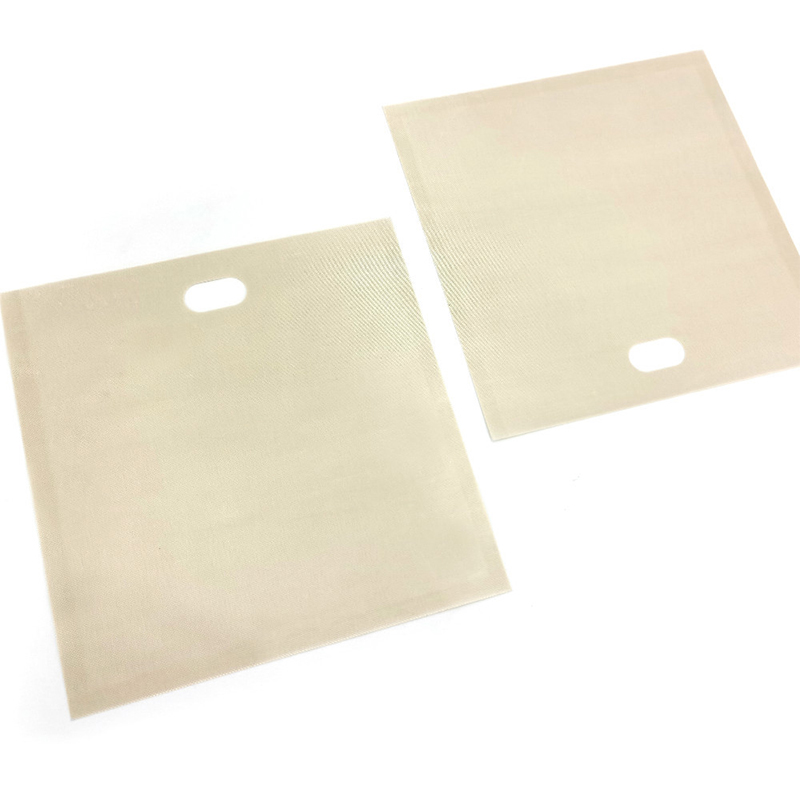
How Is PTFE Film Manufactured? The Full Production Process Explained Clearly
If you are trying to understand how PTFE film is manufactured, the answer starts with a polymer that cannot be melted and extruded like ordinary thermoplastics. The entire production chain is built ...
-
10 Sep’ 2026
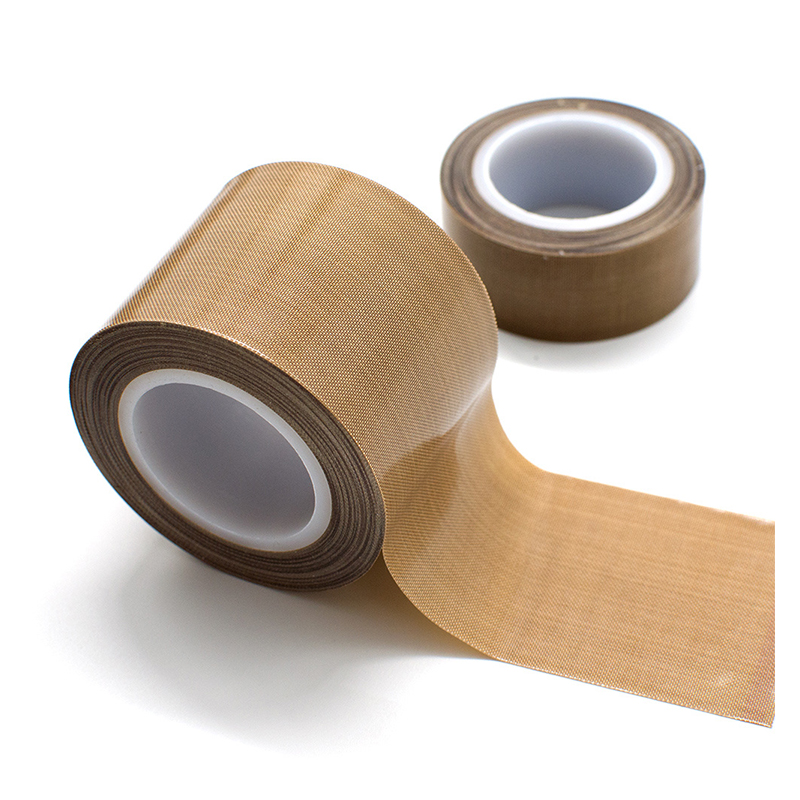
Why PTFE Pressure Sensitive Tape Is Preferred for Non-Stick Surfaces | Yaxing
A packaging engineer runs a heat-sealing bar at 180°C for eight-hour shifts. By the third day, the polymer film residue has baked into a brown crust that flakes into the product and forces a line sh...
Message Us Right Now!

- Phone: +86-18651171105
- Fax: +86-18651171105
- Email: yaxing@yaxing.com
- Address: No. 18, Yongxin East Road, Gaogang District, Taizhou City, Jiangsu Province, China.
Copyright © Yaxing Plastic Industry Co., Ltd. All Rights Reserved. Custom High-End Precision PTFE Series Products Manufacturers 